
Living Room Footrests
Living room footrests should begin with the chair you already use and the way you like to relax. Decide where your feet need support, how much top area is useful and where the piece will stand when you get up. A coordinated-looking stool can still be inconvenient if it sits at the wrong height or blocks the room route. Choose the resting arrangement before choosing the covering.
Read moreRead less
Use this collection to compare those ordinary routines through actual dimensions and documented use. A footrest should not be assumed suitable as seating or a table. Ottomans and footstools provide the wider furniture comparison. Fabric footstools and leather footstools help narrow the covering after support and access are clear.
Showing 1–24 of 25 resultsSorted by recommended
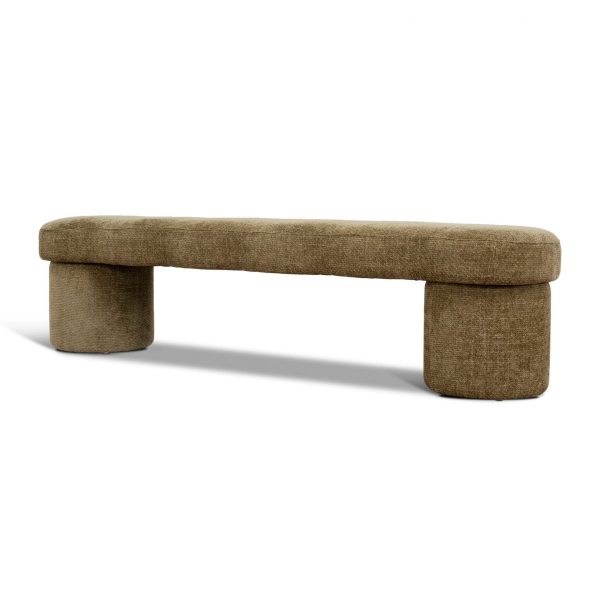

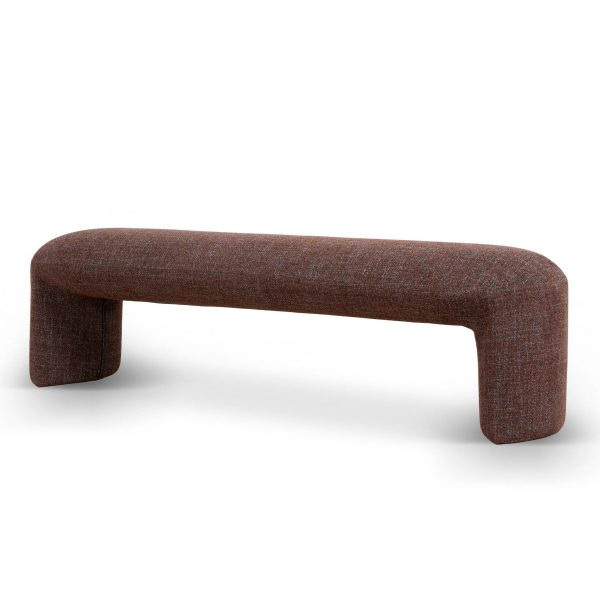
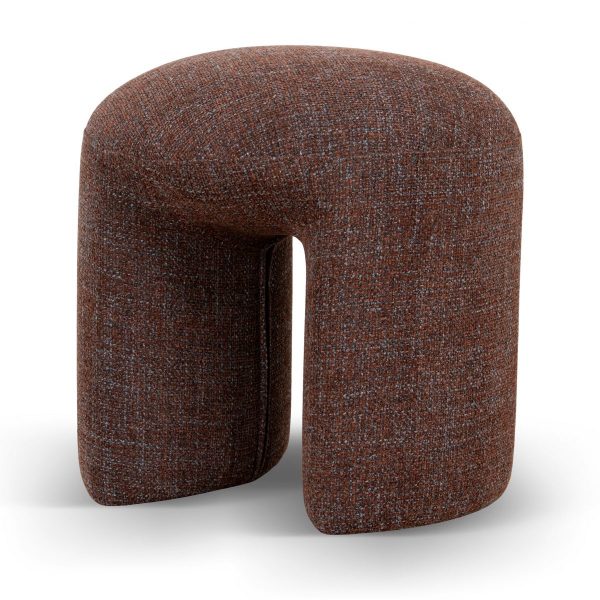
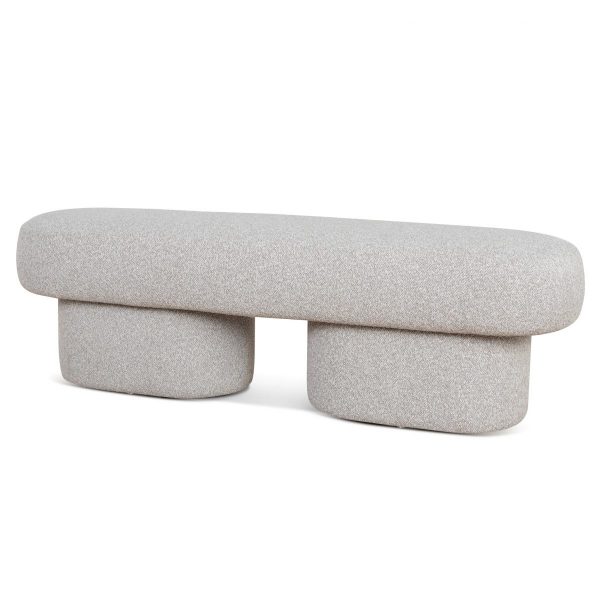
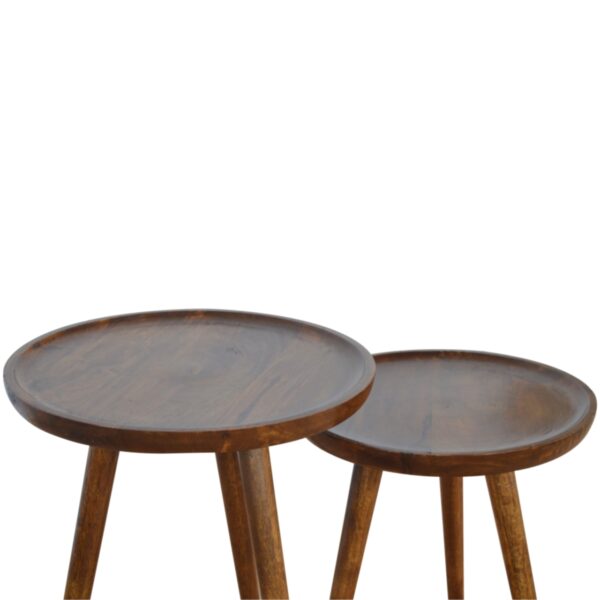
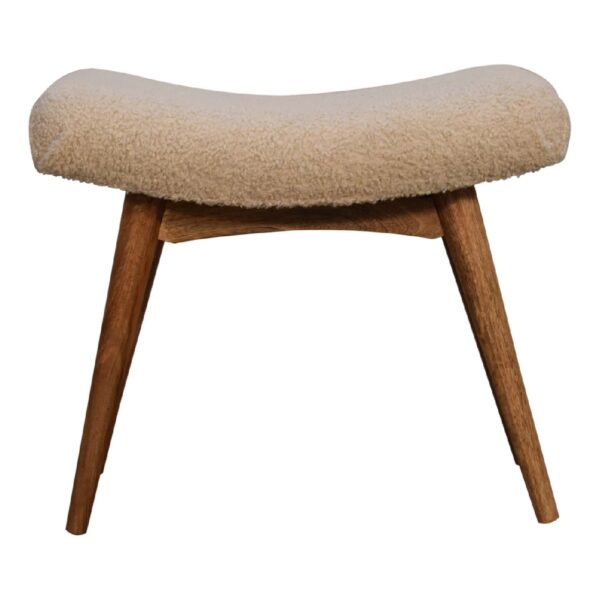
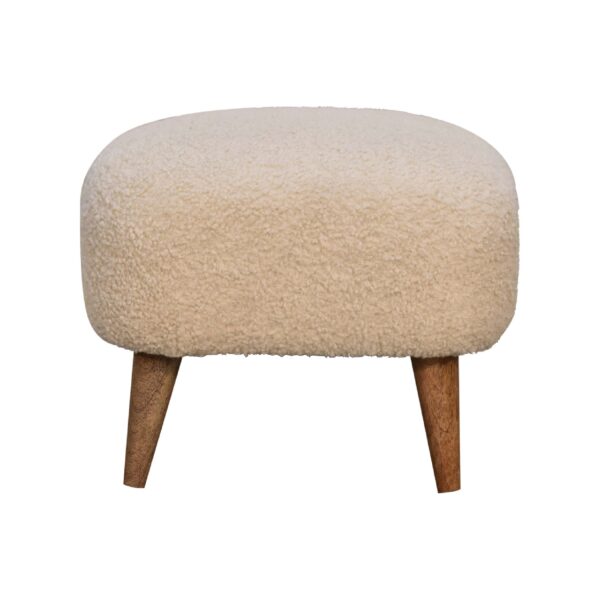
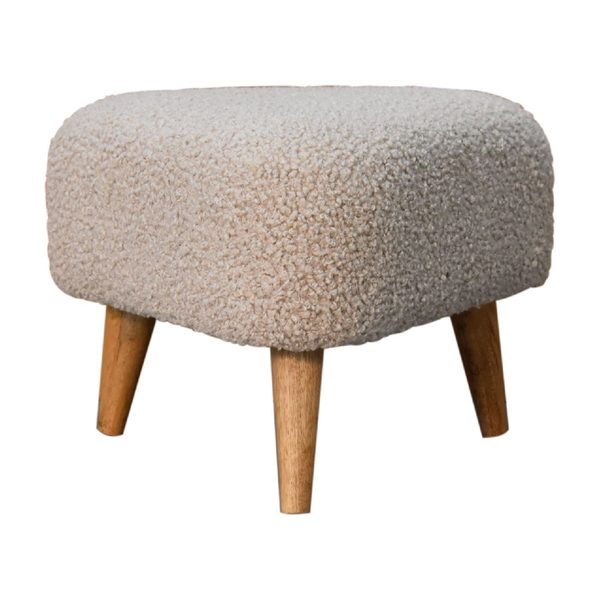
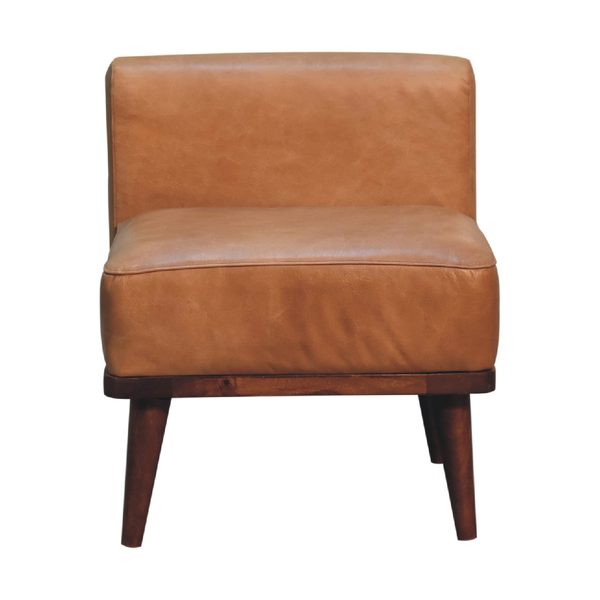
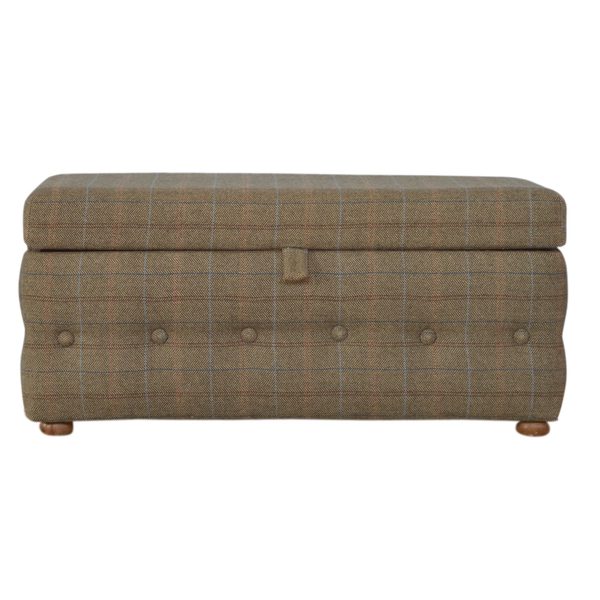
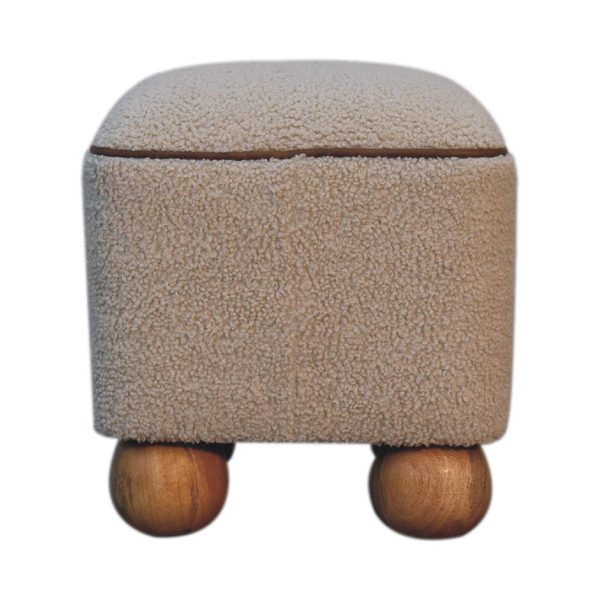
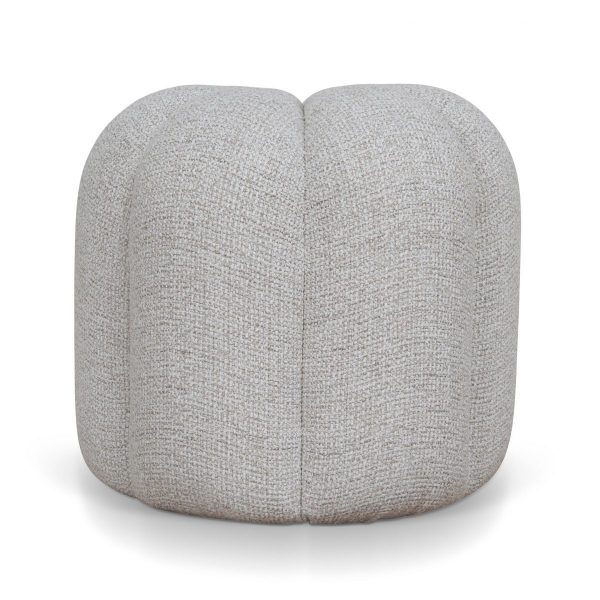
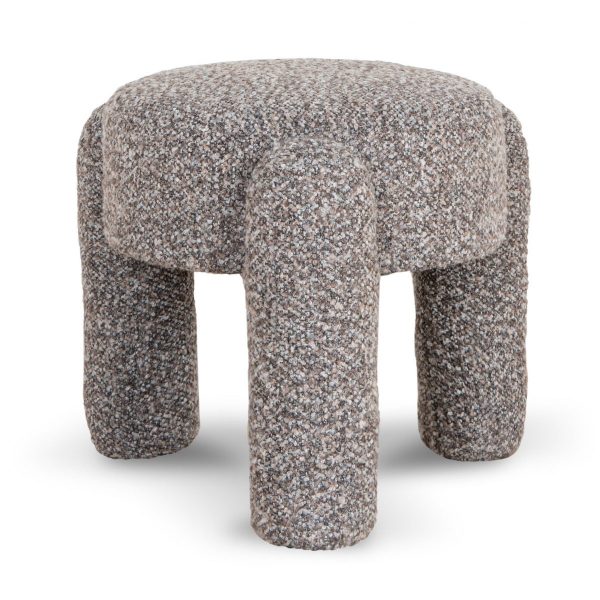
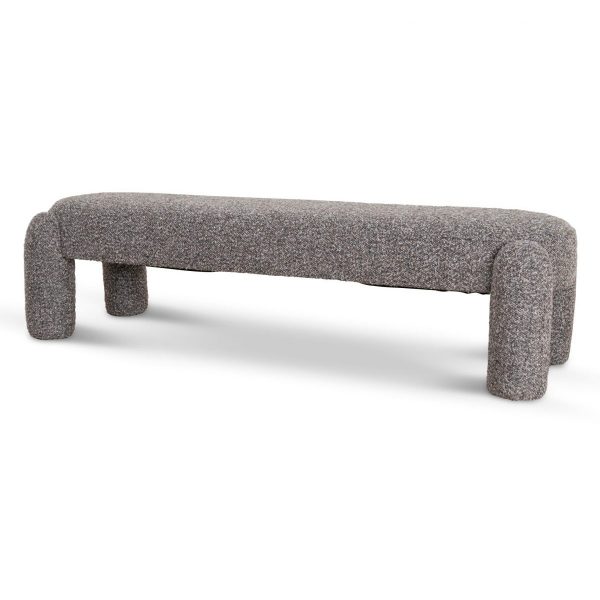
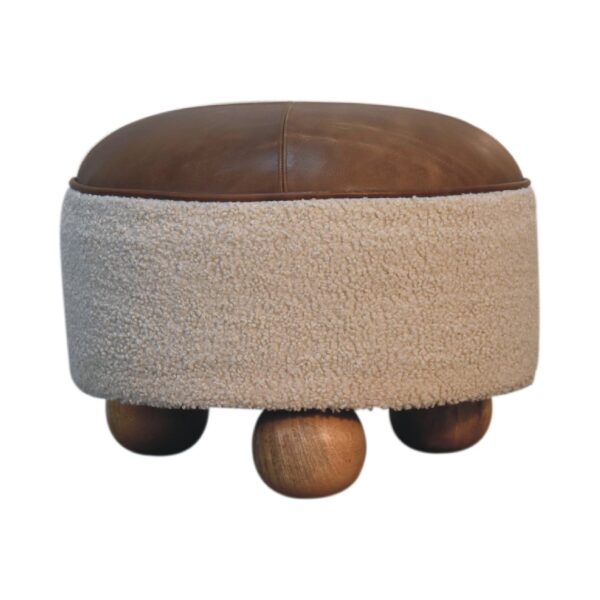
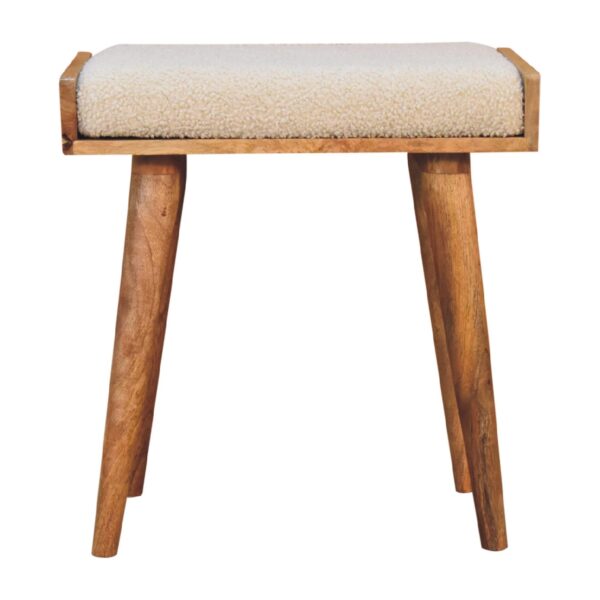
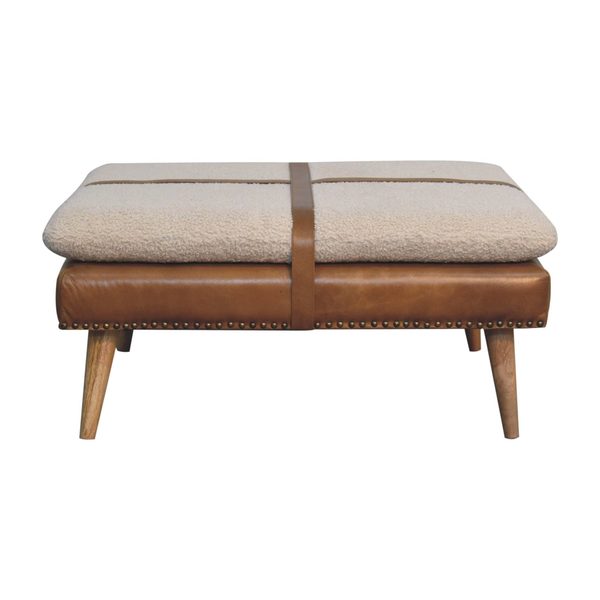
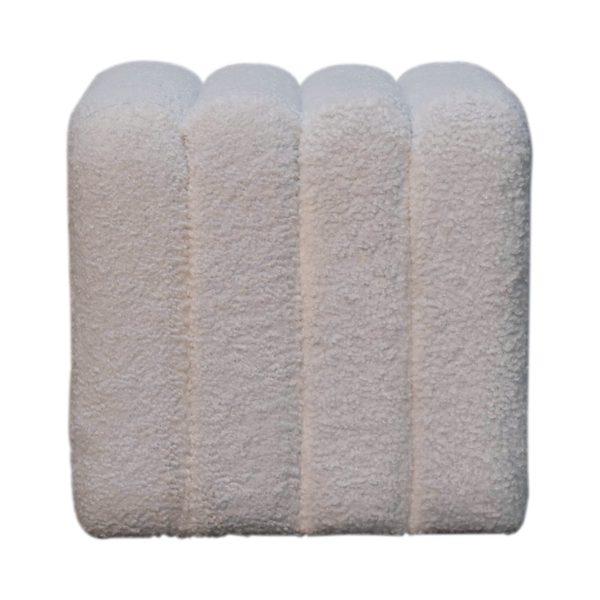
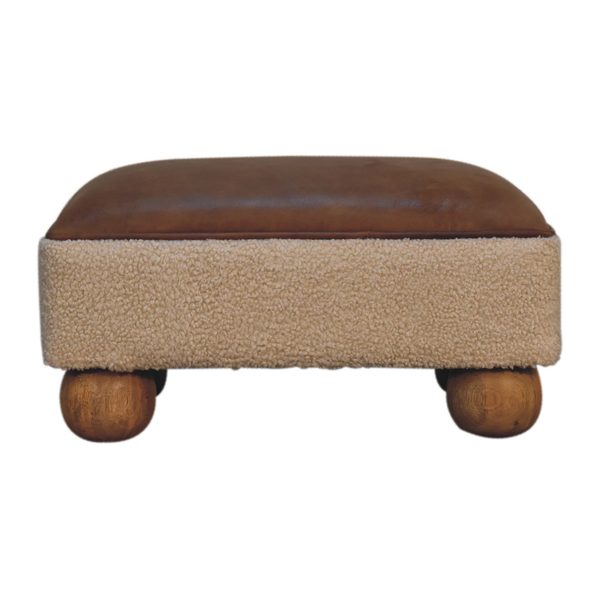
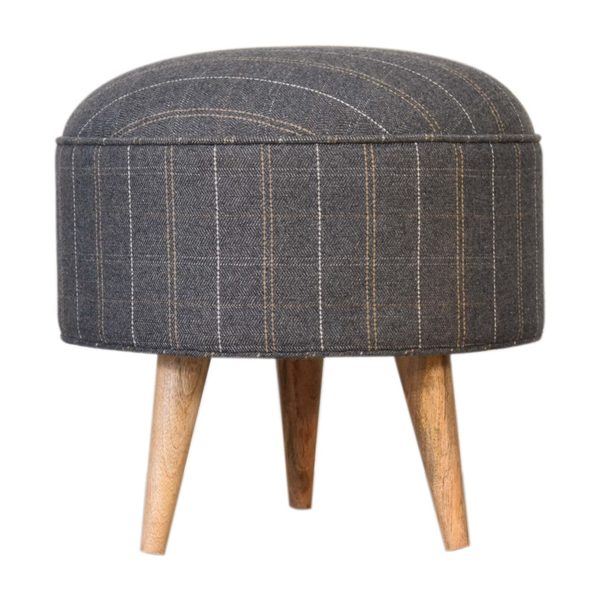
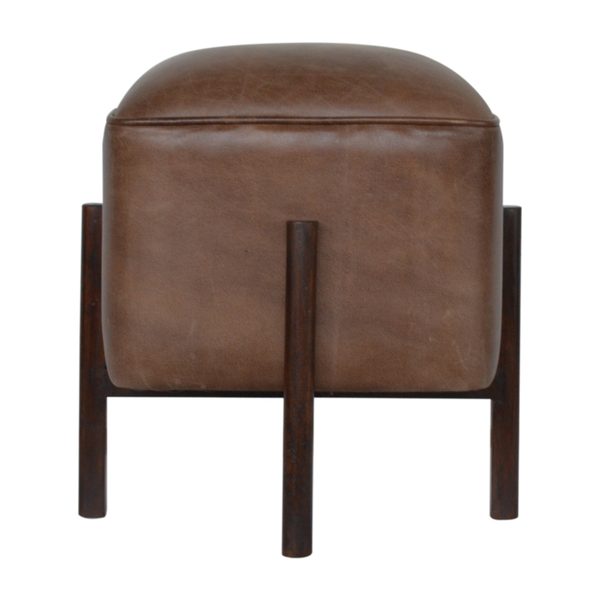
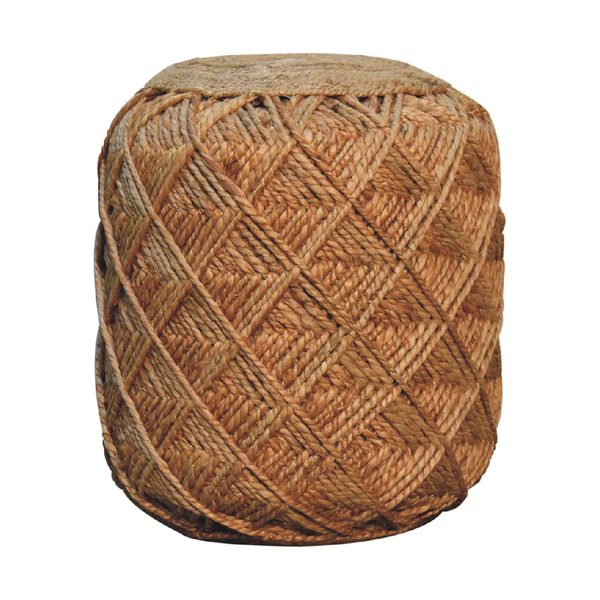
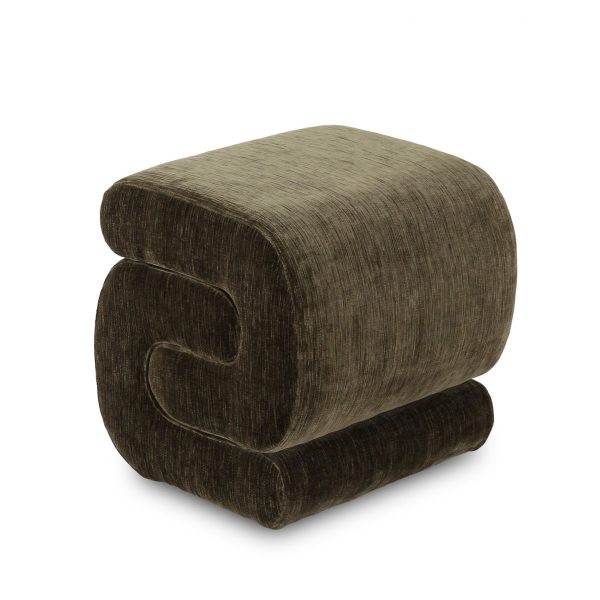
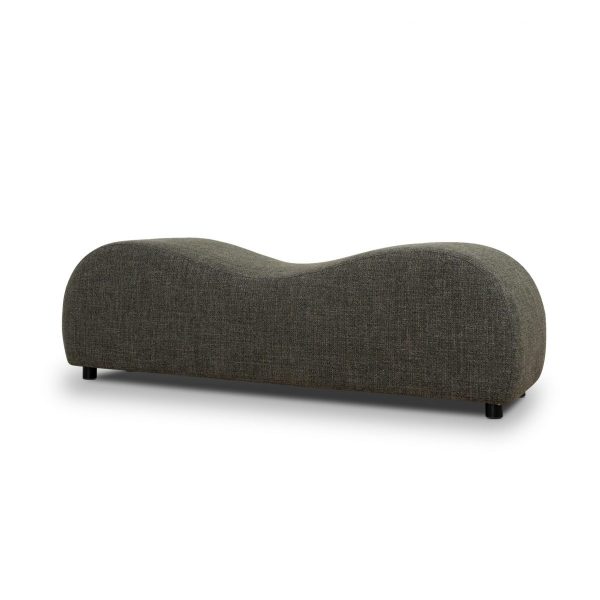
Start with the chair and your preferred foot position
Measure the seat you use and compare the footrest’s actual top height and support area. Think about your usual sitting position rather than following a universal height rule. The most useful reference is the arrangement you want to repeat, so test the position with a suitable existing piece where helpful.
Check the top shape. Curved edges or a narrow profile can leave less support area than outside width suggests. If the chair has a particular recline or another moving feature, check its own instructions and movement separately; do not infer compatibility. Choose a footrest that serves the documented seating setup instead of expecting it to change how the chair works.
Give the footrest a working place and a parked place
Mark the full footprint while you are resting, then trace the route used to stand and leave the chair. Check approach from the side and room to put feet down without moving another piece. A useful footrest position should not interrupt someone else’s ordinary path through the living room.
Decide where it stays between uses. Frequent rearrangement needs a practical destination, not simply the narrow gap left over beside the sofa. Read actual handling guidance before relying on easy movement. Round footstools and square footstools offer outline comparisons once both positions are clear. Small appearance alone does not establish convenient carrying or compact storage.
Choose the contact surface for ordinary relaxation
Consider the way feet or footwear will meet the top and read the selected covering’s care. Fabric composition, leather finish and other surfaces need their actual instructions. Do not assume removable covers or low maintenance because the piece is small. Ask about missing details that affect regular contact and cleaning.
Keep intended use clear. Read any expressly supported seating, storage or tray use separately, including its actual loading, access and operation. Choose those roles only when the selected piece provides them. Lounge chairs provide another comparison if the original seat also needs to change. Ask benssur with the chair and footrest measurements so the resting routine is based on a useful support position and a surface you can maintain.