
Square Footstools
Square footstools give the resting area a clear equal-sided outline to compare with your chair and room. Start with the usable top and height, then check the depth occupied in front of the seat. A square that looks well proportioned from the doorway can still project too far into a walking route. Covered or shaped edges also need to be considered within the support area.
Read moreRead less
Use this collection to test the top and complete body in the actual resting arrangement. Ottomans and footstools provide the wider role guide. Round footstools offer another support shape for the same chair. Choose through measurements and preferred position rather than assuming a square form provides seating, storage or a table function.
Showing all 2 resultsSorted by recommended
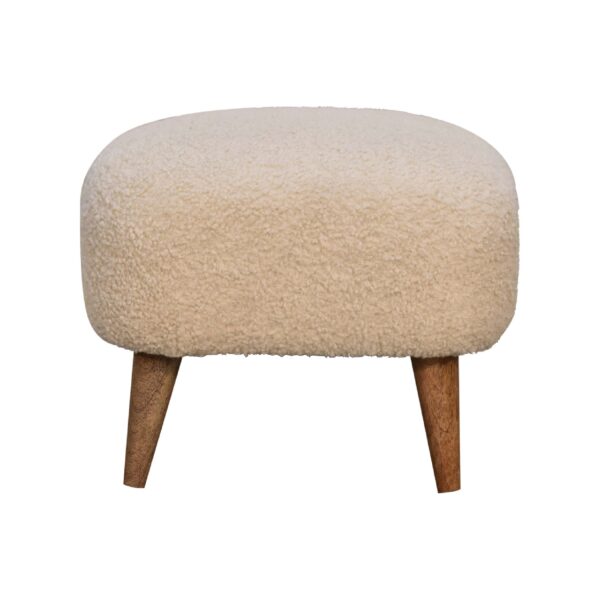

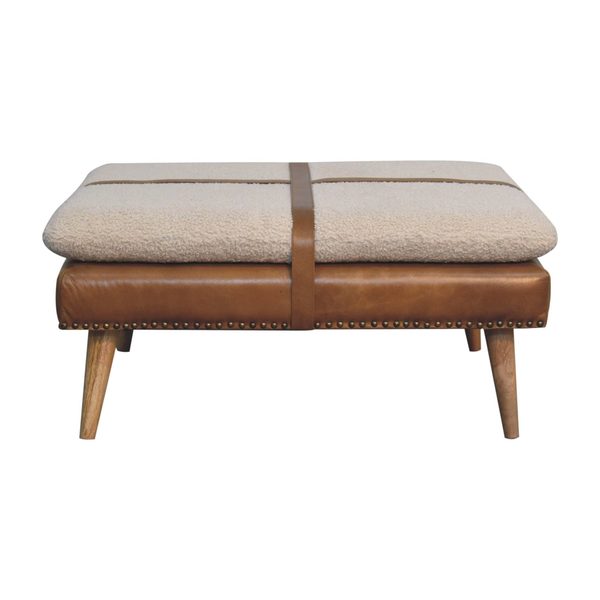
Use the top area for the way your feet rest
Compare the selected width and depth with your ordinary foot position. Equal outside sides do not establish a flat usable area right to every edge. Review the top profile and any seams or shaping, then check the actual support zone. Use the dimensions with the chair you own, rather than a photograph beside different seating.
Compare height independently of surface area. A broad top can still place feet differently from the position you prefer. Living-room footrests focus on that user routine when the shape decision is secondary. Choose the square only after its usable surface and level form a practical resting relationship.
Check depth and corners beside the seat
Mark the complete square body in its working position. Include room to stand, place feet down and pass the chair. Its depth takes as much attention as the side seen from the room, so do not check frontage alone. Read base dimensions if supports occupy a different outline.
Plan where the stool stands between uses. A nearby gap may suit the parked square but still be difficult to move into, depending on the actual handling guidance. Compare a round footstool on the same plan if the corner outline is the issue. Neither shape automatically creates access; the selected full dimensions need to work in both positions.
Choose the covering and any other function deliberately
Read materials and care for the selected top. Fabric, leather and wood components should be checked individually rather than inferred from the square body. Think about foot contact and the cleaning method allowed, then compare appearance beside the chair and rug. Do not assume removable covers from a neat fitted shape.
Confirm intended use and any loads before adding seating or tray roles. Fabric footstools offer a textile comparison, while timber footstools focus on wood components. Check supplied parts and handling. Ask benssur about missing measurements or use guidance so the equal-sided form belongs to a footrest that suits your ordinary relaxation and room layout.