
Shelf Decor
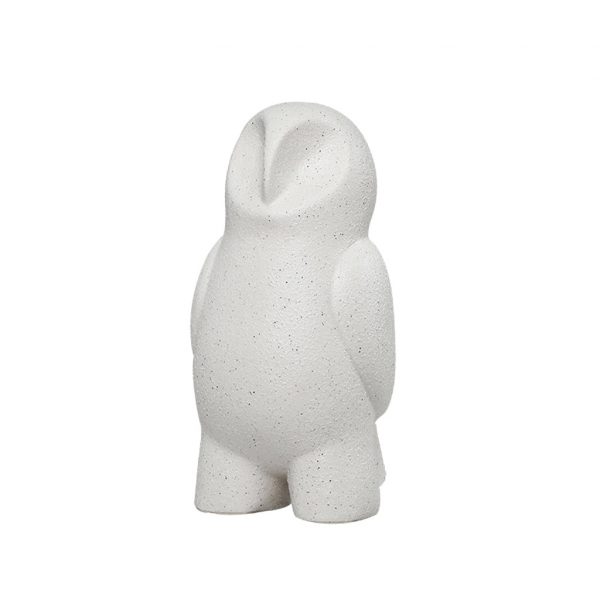
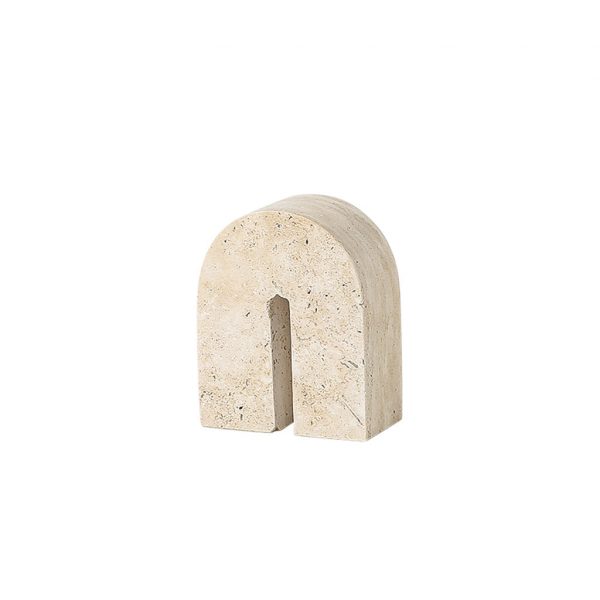
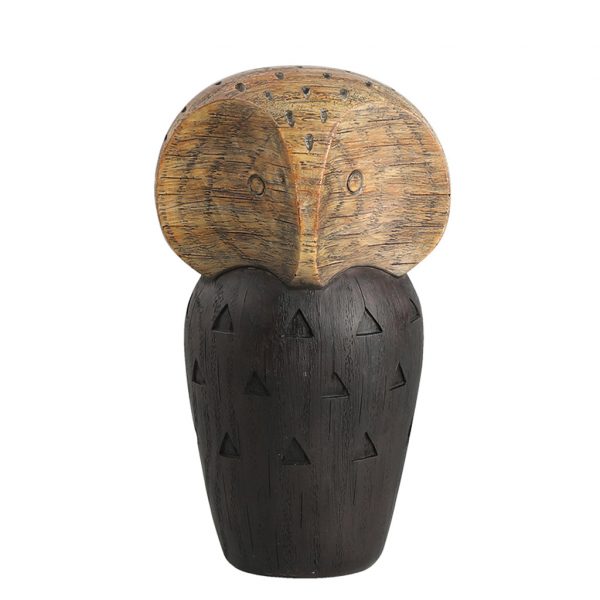
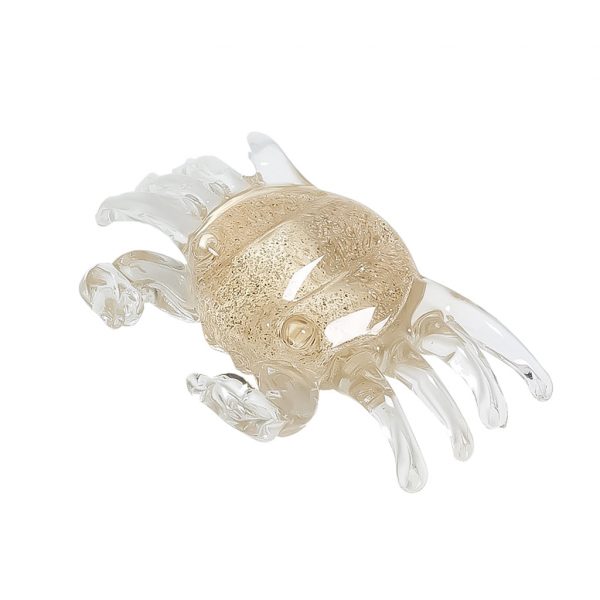
Shelf decor should give the display a clear composition rather than fill every opening. Start with the shelf’s usable height and depth, then decide which shape should lead in the main room view. A group that looks balanced close up can read quite differently from across the room.
Read moreRead less
Compare full object dimensions and bases with the actual supporting surface. Keep its loading and placement guidance in view, rather than assume any accessory suits any shelf. Bookshelf decor helps preserve access beside books when they share the display opening. Compare the whole group of forms as well as that practical reading space. Choose objects that earn their place through scale, material or a defined focal role, with clear space deliberately retained.
Showing 25–48 of 108 resultsSorted by recommended
-
-
On SaleOriginal price was: $223.00.$185.00Current price is: $185.00.
-
On SaleOriginal price was: $229.00.$190.00Current price is: $190.00.
-
On SaleOriginal price was: $229.00.$190.00Current price is: $190.00.
-
On SaleOriginal price was: $94.00.$78.00Current price is: $78.00.
-
On SaleOriginal price was: $106.00.$88.00Current price is: $88.00.
-
On SaleOriginal price was: $106.00.$88.00Current price is: $88.00.
-
On SaleOriginal price was: $242.00.$201.00Current price is: $201.00.
-
On SaleOriginal price was: $124.00.$103.00Current price is: $103.00.
-
On SaleOriginal price was: $124.00.$103.00Current price is: $103.00.
-
On SaleOriginal price was: $124.00.$103.00Current price is: $103.00.
-
On SaleOriginal price was: $136.00.$113.00Current price is: $113.00.
-
On SaleOriginal price was: $136.00.$113.00Current price is: $113.00.
-
On SaleOriginal price was: $136.00.$113.00Current price is: $113.00.
-
On SaleOriginal price was: $349.00.$290.00Current price is: $290.00.
-
On SaleOriginal price was: $219.00.$182.00Current price is: $182.00.
-
-
On SaleOriginal price was: $373.00.$310.00Current price is: $310.00.
-
On SaleOriginal price was: $237.00.$197.00Current price is: $197.00.
-
On SaleOriginal price was: $237.00.$197.00Current price is: $197.00.
-
On SaleOriginal price was: $249.00.$207.00Current price is: $207.00.
-
On SaleOriginal price was: $249.00.$207.00Current price is: $207.00.
-
-
On SaleOriginal price was: $273.00.$227.00Current price is: $227.00.


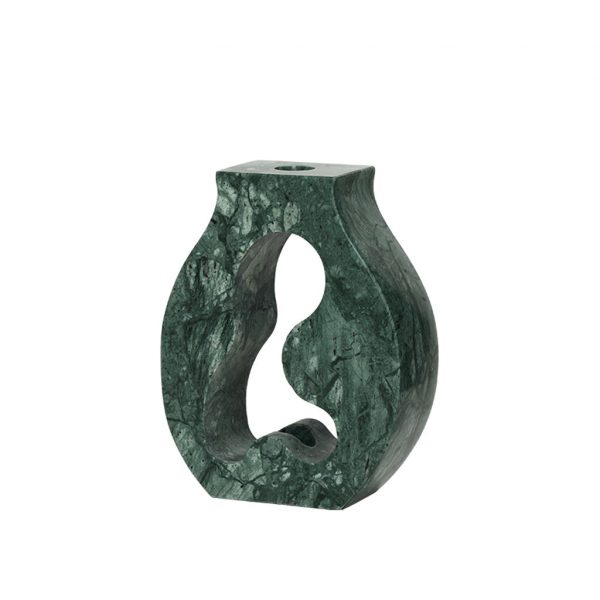

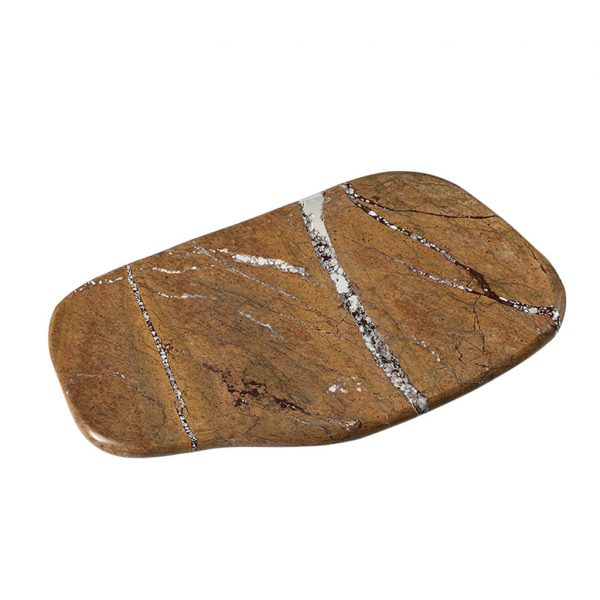


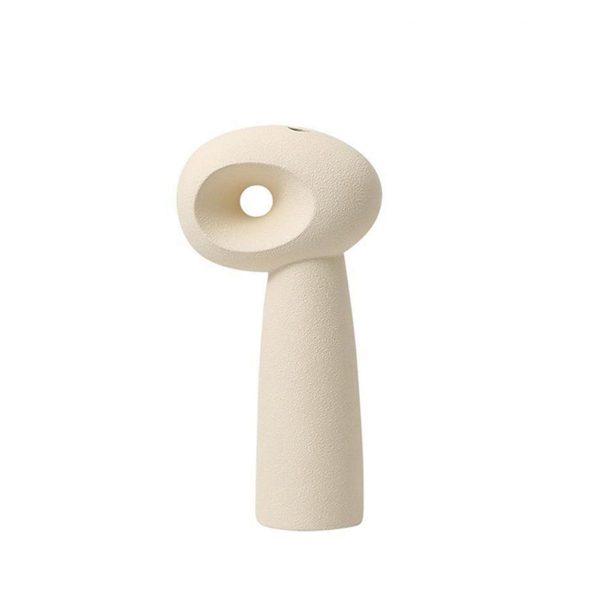
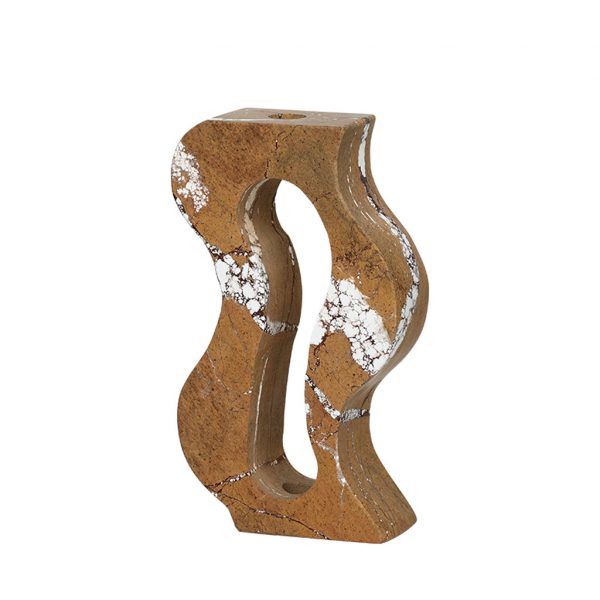
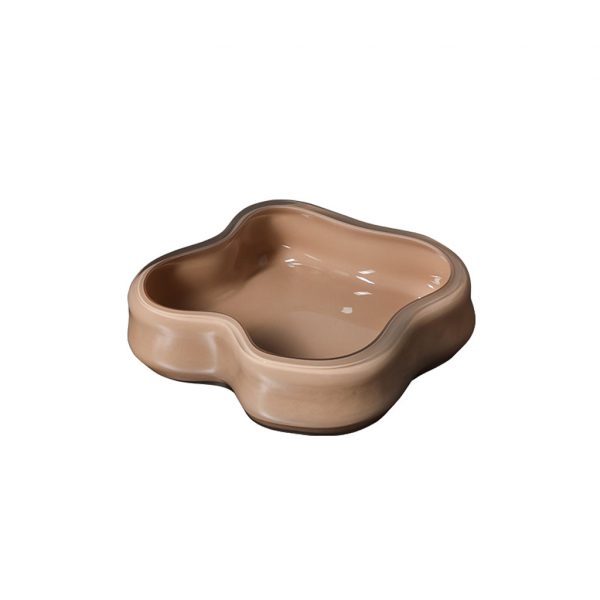


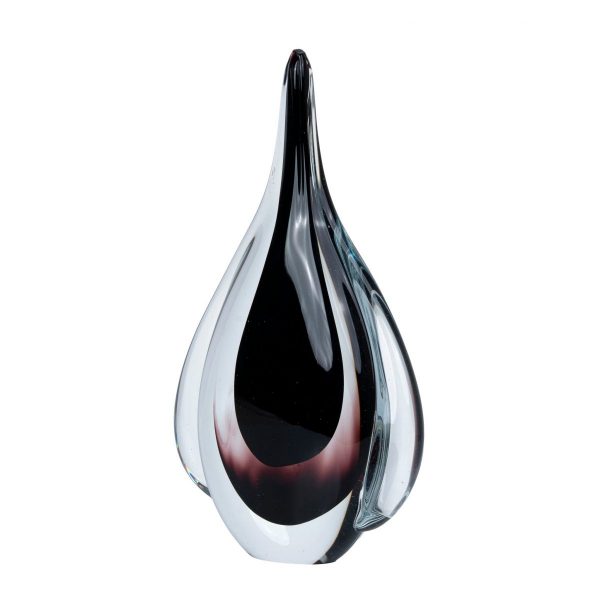
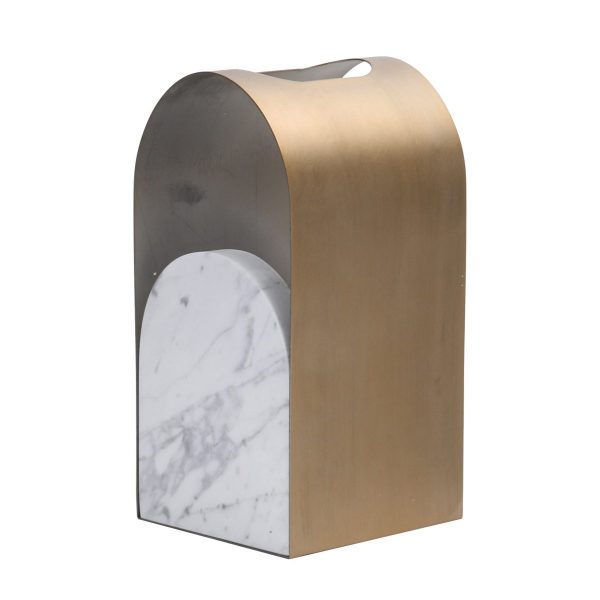
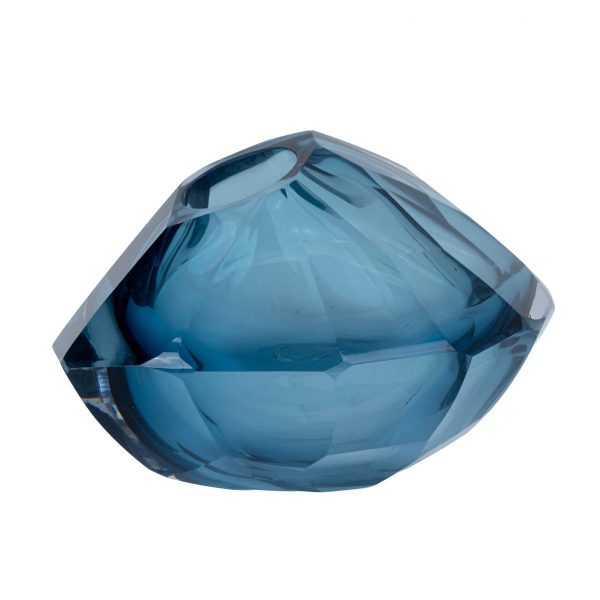
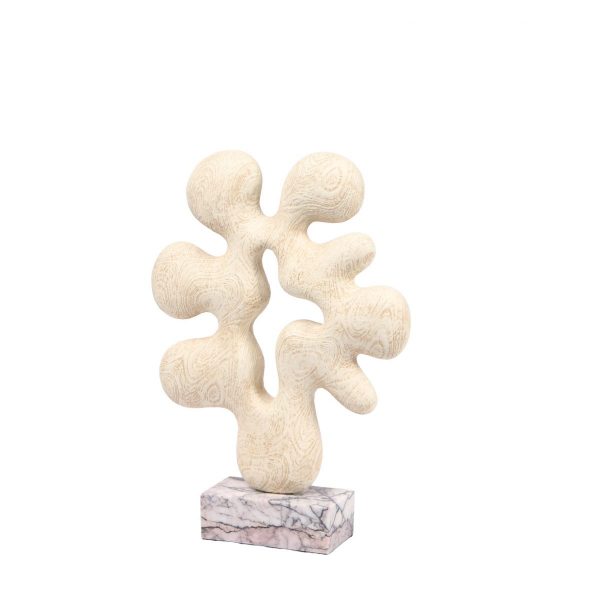

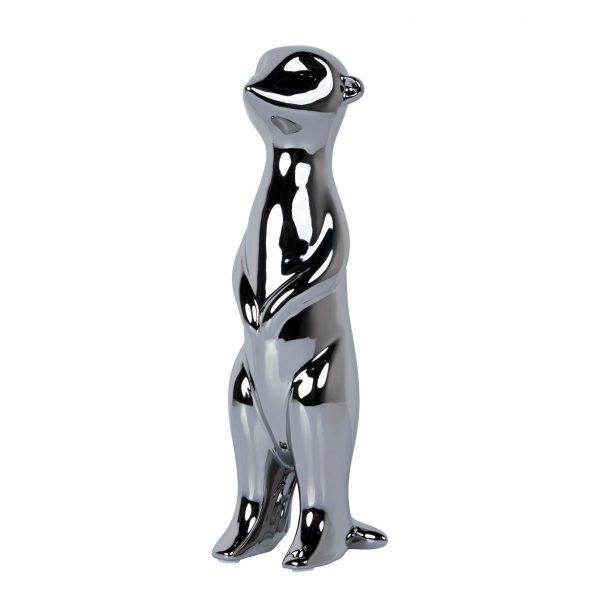

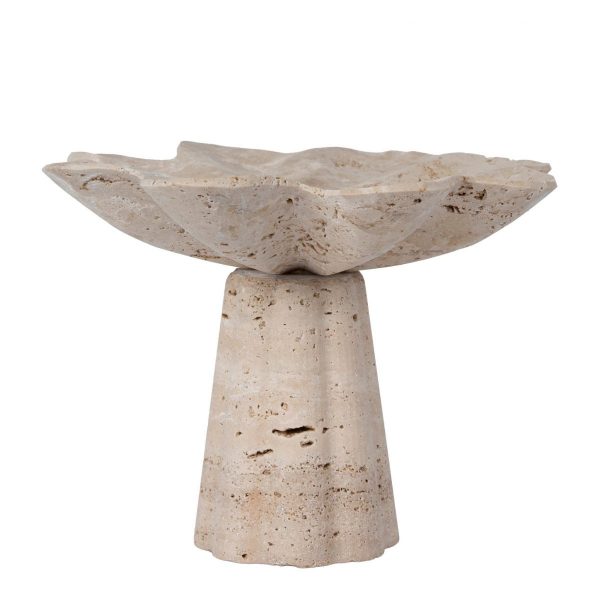

Which part of the shelf opening sets the useful scale?
Measure the clear height and depth, including fixed sides or another obstruction. Compare the object’s full outline and any projecting form, not just a front close-up. A base may fit while the shape crowds the upper edge or disappears into the background.
Look at the shelf from the main seat or doorway. Height and placement can determine which details are visible from that position. Sculptures offer a focal-form comparison, while tabletop decor focuses on surfaces without the same contained opening. Choose scale from the actual shelf and view rather than a generic rule that larger or smaller objects always make a better arrangement.
How can a group have one clear focal relationship?
Decide which piece or material should lead, then compare the neighbouring forms. Similar heights packed tightly can make each outline harder to read. Different shapes can relate clearly when they have enough space and a deliberate shared colour or texture.
Avoid adding another object simply because an empty patch remains. Clear space can let the main form register from across the room. Black objects provide a defined silhouette, while natural timber objects offer visible grain as a material link. Assess the whole shelf rather than each item separately, keeping the actual dimensions fixed as you compare palette and texture.
Is the shelf suitable for the full object?
Read base dimensions, any supplied weight and placement instructions, then compare these with the shelf’s own suitability. Keep each footprint fully supported. Do not infer protective pads, non-slip contact or a wall-mounting function from decorative appearance.
Follow material care and plan access for dusting or moving neighbouring items. Bookcases and shelving address the separate furniture choice if the display surface is unsuitable. A considered shelf arrangement combines clear forms with support and handling that work in daily life. Decoration should improve the view without turning the opening into a crowded set of objects whose contact and placement have not been checked.
Frequently Asked Questions
Use decorative accessories if another finishing type may serve the room better than grouped shelf objects.