
Green Sideboards
Green sideboards make a broad storage front part of the room’s colour arrangement. Start with the actual shade and where it appears: a green body, door panels or selected details each contribute a different amount. Compare that area with permanent wall finishes and timber furniture, rather than trying to match every plant or accessory in the room. Decide whether the cabinet should lead the view or connect it.
Read moreRead less
Then choose storage that supports ordinary use. Buffets and sideboards provide the wider compartment guide. Blue sideboards offer another accent direction, while natural timber sideboards compare a grain-led front. The green finish should complete a cabinet whose usable interior and opening movement already fit.
Showing the single result
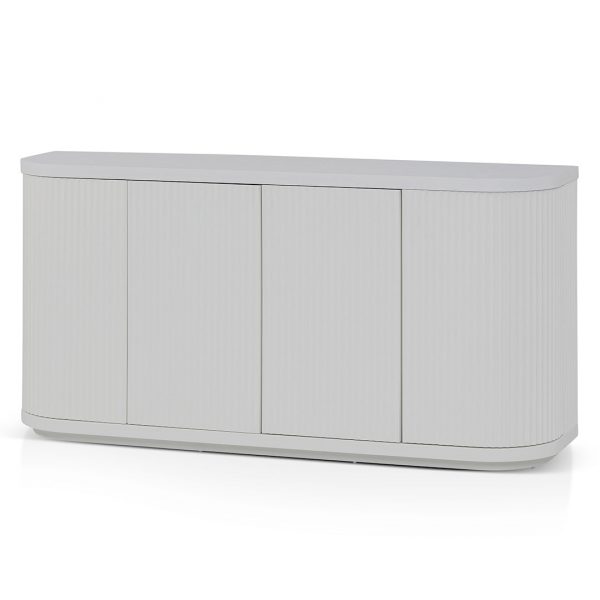

Choose green against the finishes that will stay
Review the full front and side with the floor, walls and larger furniture. Green names cover different shades, and a screen does not establish an exact colour relationship. Ask about the actual coating and sheen when that distinction matters. A similar green wall need not match the cabinet perfectly; a deliberate difference can be clearer.
Consider timber furniture and the objects above the sideboard. They alter how strongly the green area reads. Nearby planting can be part of that view without dictating an exact leaf-colour match. Choose the amount of green through the complete cabinet, including its supports and other components, rather than selecting a small swatch detached from the room.
Keep useful compartments behind the coloured front
Measure the objects you want to keep together and the space needed to lift them out. Read actual internal dimensions, dividers and documented fittings. A coloured door may conceal a compartment quite different from its visible outline. Check the arrangement instead of assigning storage flexibility from a smooth front.
Sideboards with shelves offer a closer comparison for stacked or taller groups; sideboards with drawers focus on smaller sorting. Plot the real opening movement and a person using the cabinet. If the position serves meals, dining room storage examines chair and table access. Choose green on the configurations that make retrieval convenient, not on appearance alone.
Give the green cabinet a practical place along the wall
Mark the complete depth and width, including any projecting handles or top. Check its side view from the room entrance as well as the front. A low horizontal colour feature still occupies floor space and needs opening clearance. Read the top’s material, care and loading separately before assigning a display or temporary task.
Follow cleaning instructions for the actual green finish; colour does not establish stain resistance or a particular wood treatment. Slim sideboards can help compare depth where a passage limits placement. Confirm assembly, installation and any required securing, then ask benssur about missing dimensions or shade details. Let the accent support a useful cabinet that belongs in the daily room layout.