
Glass TV Units
Glass TV units need a component-level comparison before you plan the equipment. Glass in a top, door or shelf serves a different purpose. A transparent front may show devices and stored objects, while another stated finish changes that visibility. Read where glass appears and the actual specification rather than imagining one complete clear cabinet or assuming a safety-glazing type from an image.
Read moreRead less
Use this collection to choose the glass role within real support and device space. TV and entertainment units provide the wider setup guide. TV units with shelves focus on usable compartments, while rattan TV units offer another front-material direction. Choose actual loading, access and contact care before deciding how visible the equipment should be.
Showing the single result
-
Week’s PickOriginal price was: $1,734.00.$1,439.00Current price is: $1,439.00.
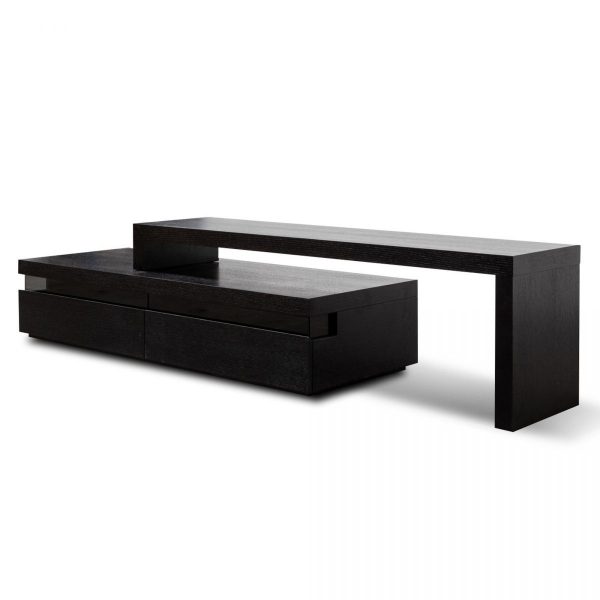

Identify the glass component and what it reveals
Read top, front and internal shelf materials separately. A glass top does not establish transparent doors, and a glazed front does not prove all shelves share the material. Check the actual finish and visibility in full views. Do not assign clear, tinted or textured glass from the collection name alone.
Where contents are visible, include devices, ordinary stored items and cables in the room comparison. Decide which should remain part of the front view and which need another documented compartment. TV units with drawers help assess smaller sorting. Choose transparency for a useful equipment arrangement rather than treating every glass component as a display feature detached from what sits behind it.
Verify top and shelf support for the actual equipment
Read the complete television’s assembled dimensions and weight, then compare them with the usable top and documented loading. Glass appearance or thickness in a photograph does not establish capacity. Keep top support separate from any shelf limits. Confirm the actual construction where it is essential to the equipment setup.
Measure device compartments with frames and shelf supports included. Add connection access and follow each device’s ventilation instructions. A transparent closed door is still a door; visibility does not establish permitted closed operation or automatic control-signal compatibility. TV units with storage help plan the complete contents. Choose the actual equipment use through specifications rather than an airy-looking glass image.
Choose handling and care for glass and surrounding materials
Read actual glazing treatment, cleaning and contact instructions instead of identifying them visually. A glass label does not supply one thickness, safety type or universal cleaner. Check frames, handles and another top material separately. Follow loading and handling guidance for the selected construction during assembly and ordinary use.
Plot the complete cabinet and its documented opening movement, with connection access left useful. TV unit setup advice examines that installed routine. Read installation and securing instructions, then check delivery-component access. Ask benssur about missing glass or usable compartment details. Choose the visible surface on furniture that supports the actual equipment and remains practical to reach, clean and maintain.