
Rattan TV Units
Rattan TV units should be chosen through the actual front construction and the equipment behind it. Start with where natural cane or a stated synthetic rattan-look alternative appears. A woven door panel is a different component from a frame detail, and backing can change what remains visible. Read the full cabinet rather than imagining one all-rattan build from the front material.
Read moreRead less
Use this collection to choose that texture within documented media support. A visible weave does not establish ventilation or control-signal compatibility. TV and entertainment units provide the wider setup guide. Glass TV units offer another front-visibility comparison, while timber TV units focus on wood components. Choose actual device operation and access before the woven feature finishes the room.
Showing all 5 resultsSorted by recommended
-
-
-
Week’s PickOriginal price was: $999.00.$899.00Current price is: $899.00.
-
-
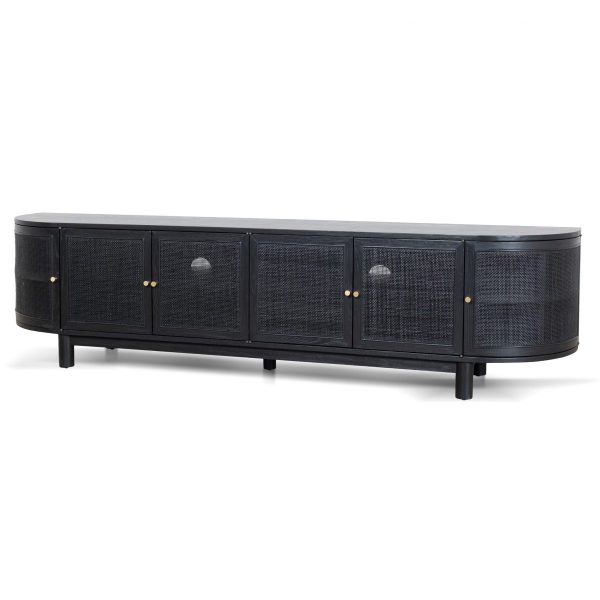

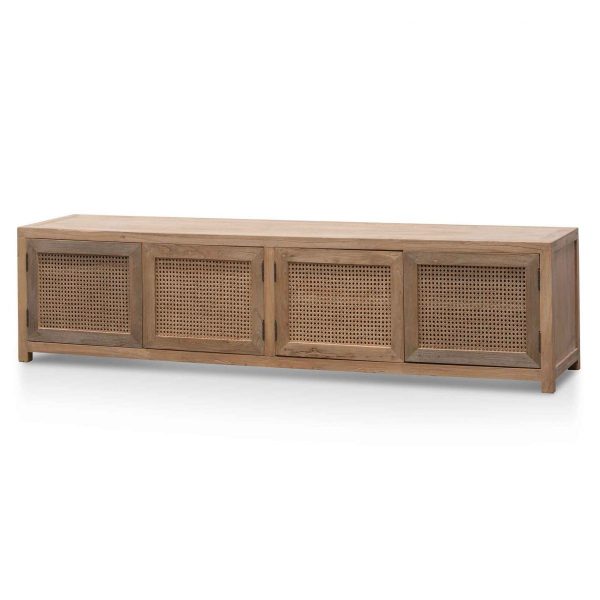
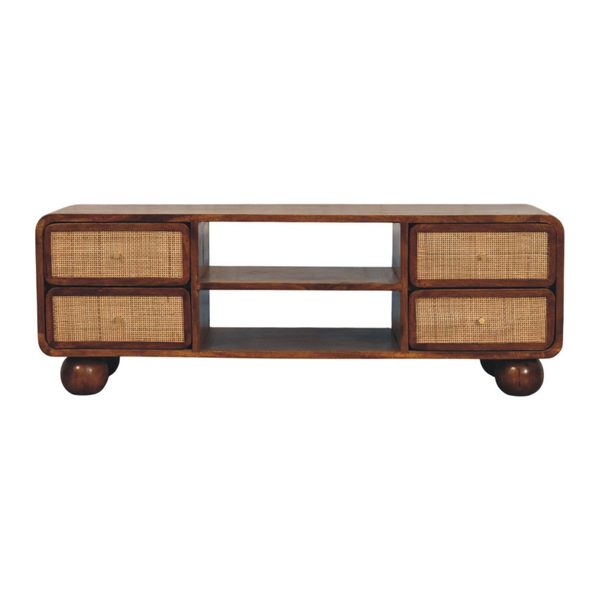
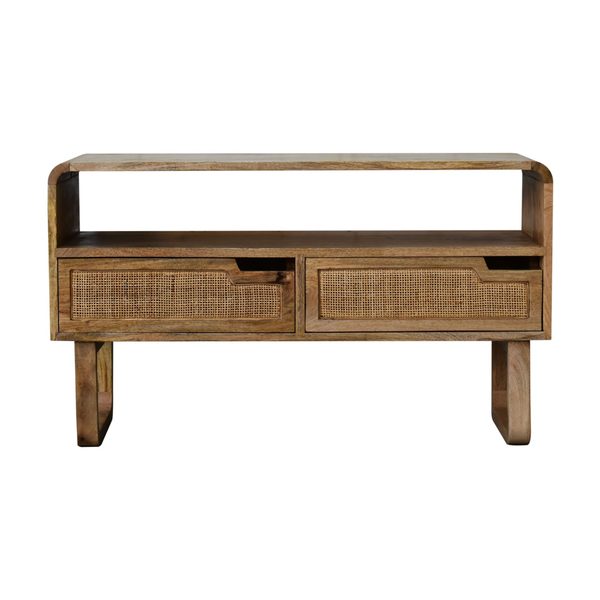
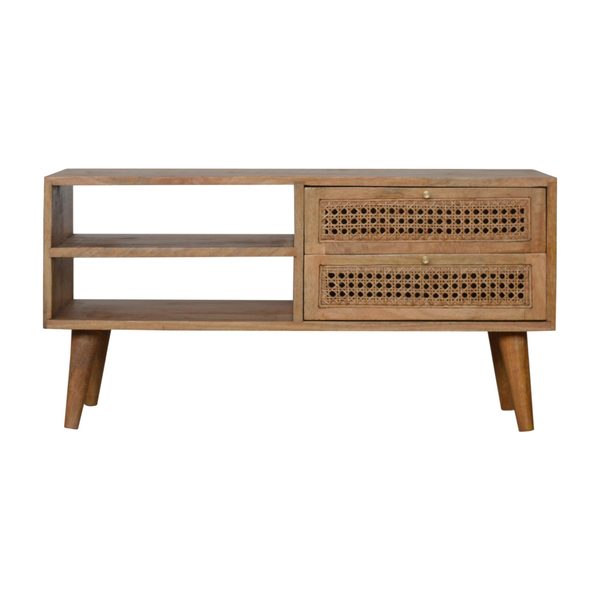
Compare weave and backing with the equipment view
Review full and close views of the actual panels, then read their material and backing separately. An open-looking weave can reveal a different amount from a more concealed construction. Include devices and cables in that comparison rather than selecting texture from an empty cabinet front.
Check how much woven material appears alongside other doors, top and supports. A few panels contribute a different feature from a broadly textured front. Natural timber TV units provide another visible-material direction. Choose the actual cabinet composition with its contents present, rather than assuming every rattan unit gives the same degree of display or concealment beneath the television.
Verify controls and ventilation instead of assuming them from holes
Read the actual device’s control and operating requirements alongside the selected front. A visible opening pattern does not establish a rated ventilation function or prove a remote-control signal passes usefully through backing. Confirm the equipment arrangement where closed operation matters. Do not treat the weave as a substitute for those checks.
Measure usable compartments with fittings, connections and manufacturer-required space included. TV units with shelves offer a closer device-area comparison. Check actual cable openings separately rather than inferring them from an entertainment label. Choose the woven cabinet only where its documented construction supports the equipment use, with the front in the open or closed position you will actually use.
Read supporting materials and keep installed access useful
Check top, frame, back and internals separately from the rattan detail. Compare the full assembled television and weight with usable top dimensions and documented loading; woven appearance does not explain support capacity. Follow actual panel and surrounding-material care instead of borrowing a moisture or cleaning method from another cane-looking item.
Plot full depth and opening movement beside the seating, with connection access preserved. TV unit setup advice examines that routine. Read assembly and securing instructions, then ask benssur about missing panel or device-space information. Choose the panel texture and visibility with access to the equipment’s controls, connections and the space needed for its care.