
Vases and Pots
Vases and pots can form a considered group when each piece has a clear role and enough room around it. Start with the surface and decide whether you want one main vessel, a small supporting form or several equally noticeable objects. More pieces are not automatically a more useful display.
Read moreRead less
Choose the allowed contents of each vessel too. An empty sculptural form, a dry arrangement and a specified flower container create different shapes above their bases. This guide focuses on comparing those relationships without treating every pot as a planter or every vase as water-ready. Browse any listed pieces by individual specification, or start with vases and decorative pots when choosing a single vessel’s practical purpose first.
Showing all 16 resultsSorted by recommended
-
-
On SaleOriginal price was: $242.00.$213.00Current price is: $213.00.
-
-
-
-
-
-
-
-
-
-
-
-
-
-
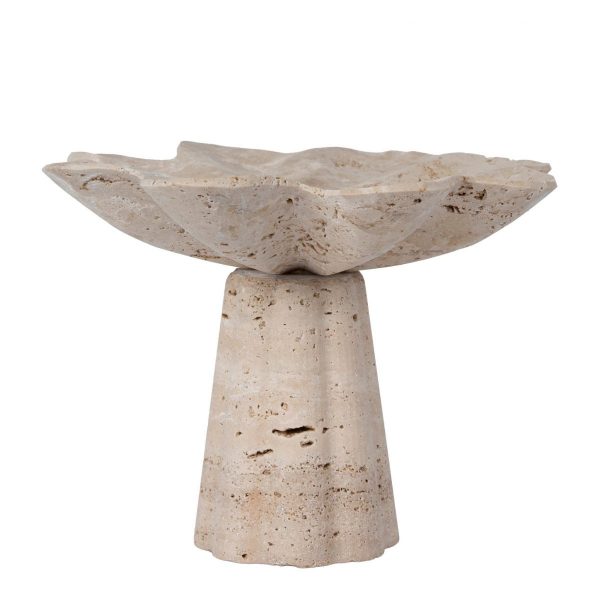

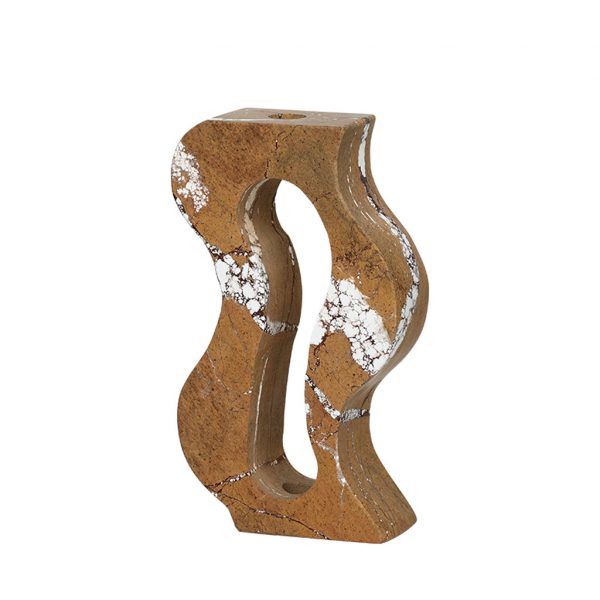
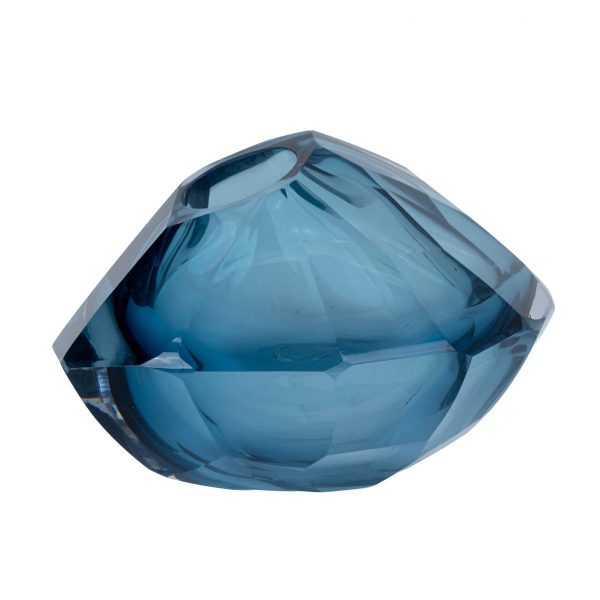
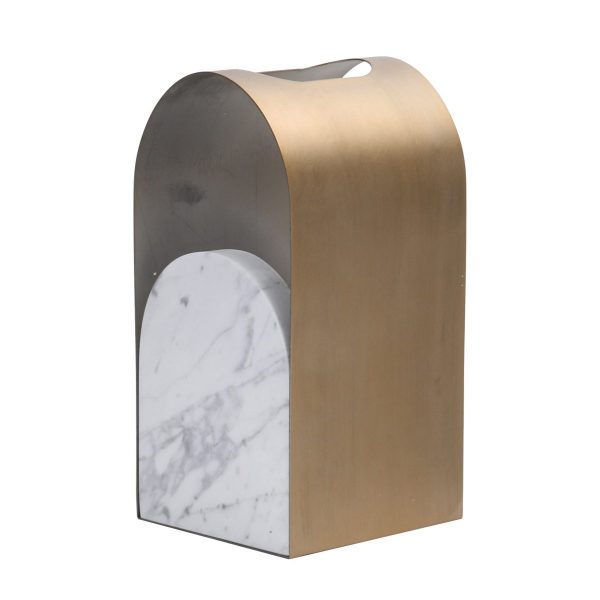
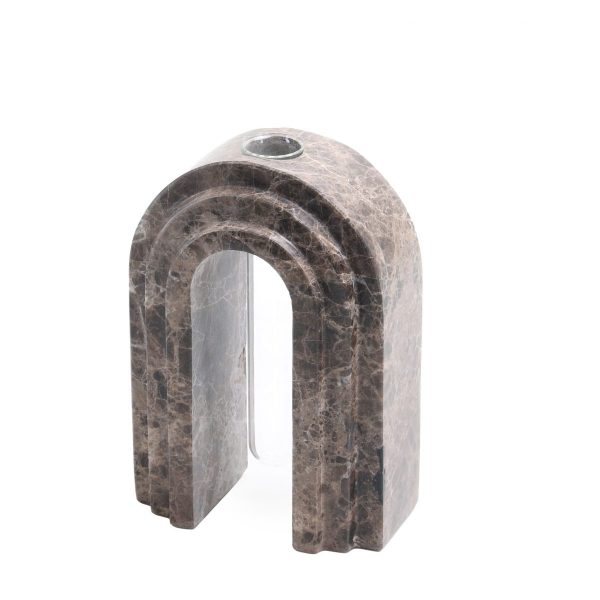

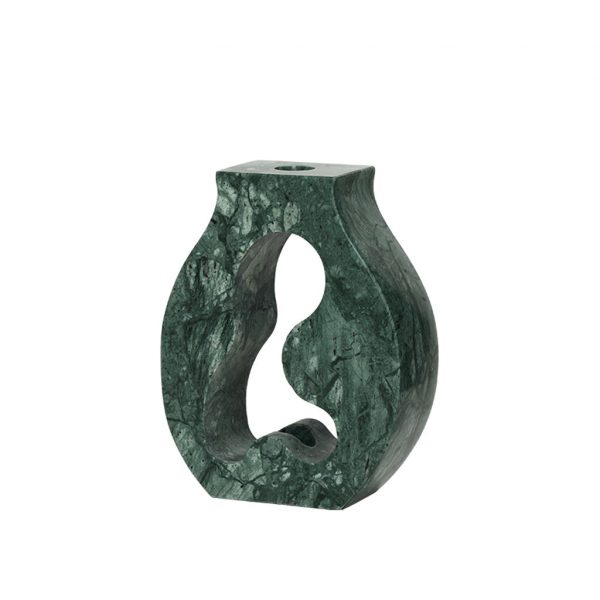
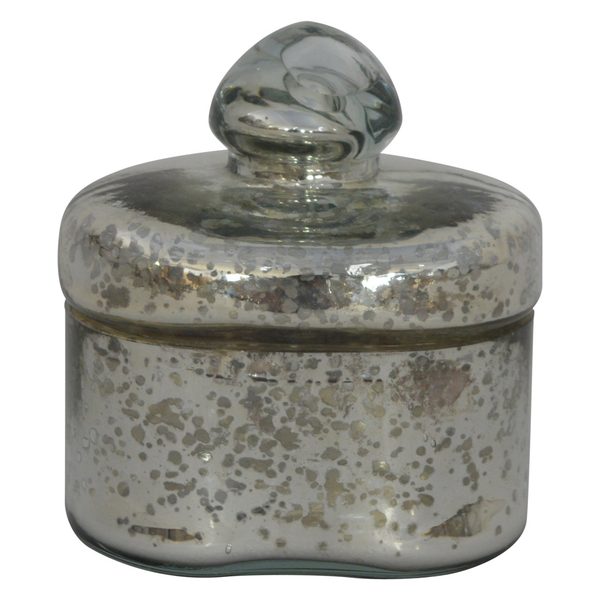


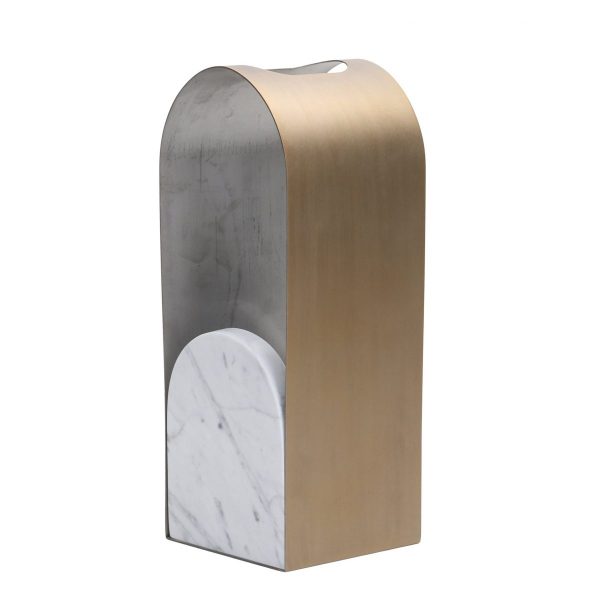
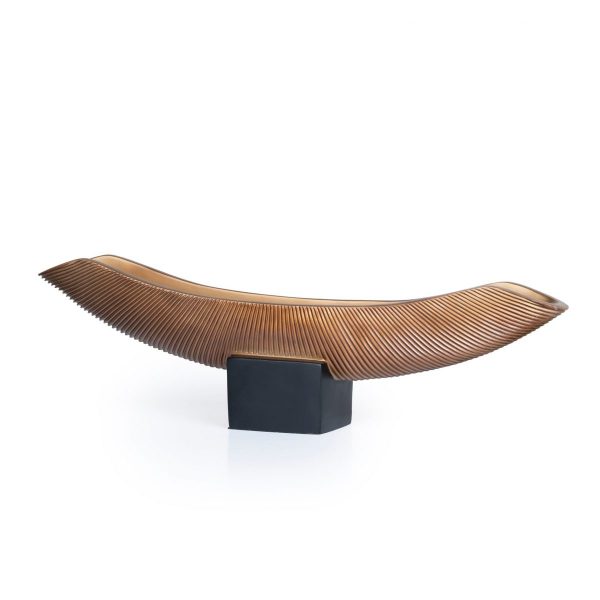


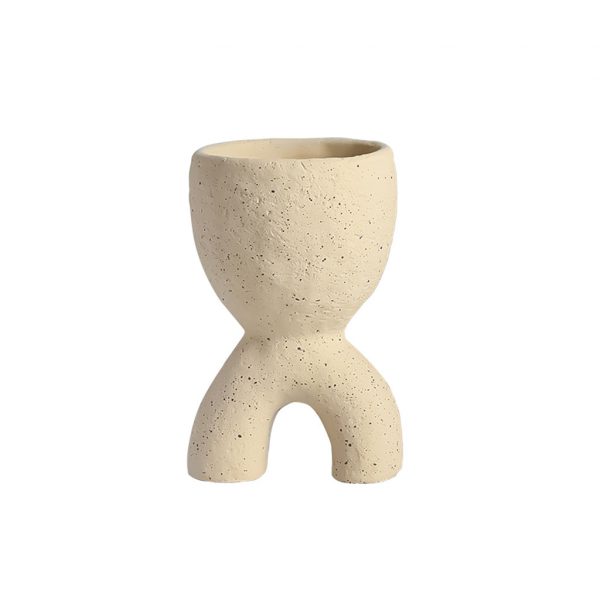
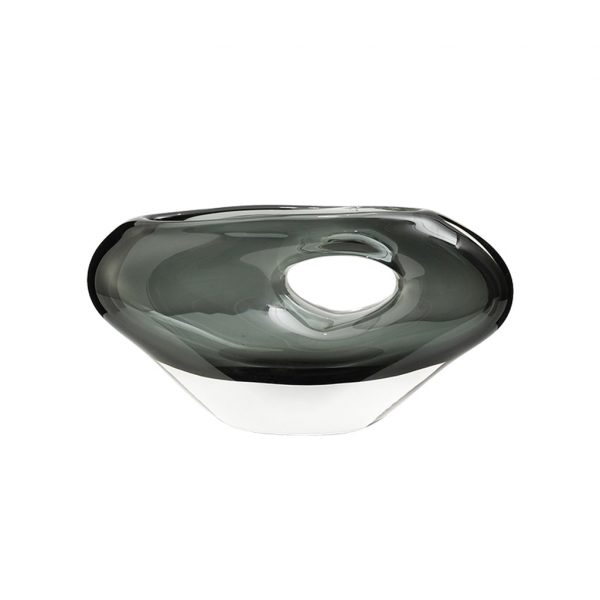
Give the group one clear arrangement
Mark the full width and depth available after ordinary surface tasks. Decide which object leads and which pieces support it. Compare their complete silhouettes, including any permitted contents, rather than arrange a group from bare-vessel heights alone.
Leave visible spacing where individual shapes should remain clear. Similar sizes can create a deliberate rhythm, while a larger form beside smaller pieces changes the emphasis. Neither approach needs a crowded collection to work. The tabletop vase guide helps test the result on a surface people use. Choose a group that belongs to the available room, rather than use leftover gaps to justify another vessel without a clear role.
Compare openings and actual contents individually
Read each vessel’s allowed function and usable opening. One member of a group holding flowers does not establish that the other pieces can also hold water or plants. Check any supplied liner, insert or decorative-only role separately.
Plan the spread of contents alongside the body’s silhouette. A narrow neck may support a different arrangement from a broad opening, even when the two outer bodies are similar in height. Choose the individual vessel for its actual task before using it as a height step in the group. That keeps the arrangement practical to set up and refresh without creating unstated functions merely to fill the planned display.
Connect material character without requiring a matched set
Compare actual colour, texture and construction across the group. A deliberate relationship can come from one repeated tone or a contrast between surfaces; it does not need identical vessels. Check what is supplied before treating a photograph as a packaged set.
Explore glass vases where visible stems are part of the group, or marble vases when a patterned body should lead. Read each selected finish’s care and handling instructions. Choose one repeated tone or texture if the group needs a clearer connection, then leave each complete outline visible. Keep the individual openings and care accessible so refreshing one vessel does not mean dismantling the rest of the arrangement.