
Marble Vases
Marble vases can make the vessel’s own pattern part of the display, whether the form stands empty or holds permitted contents. Compare the whole stated marble surface rather than one attractive vein. Natural pattern can vary, and the actual finish influences how the stone appears beside the furniture and wall.
Read moreRead less
Read the construction and intended use before planning flowers in water. A marble name does not establish a sealed interior, solid construction throughout or a supplied liner. This guide helps connect stone character with a useful form and display position. Browse any listed pieces by their complete material information, or explore vases and decorative pots when the first decision is the vessel’s practical role rather than its stone pattern.
Showing all 5 resultsSorted by latest
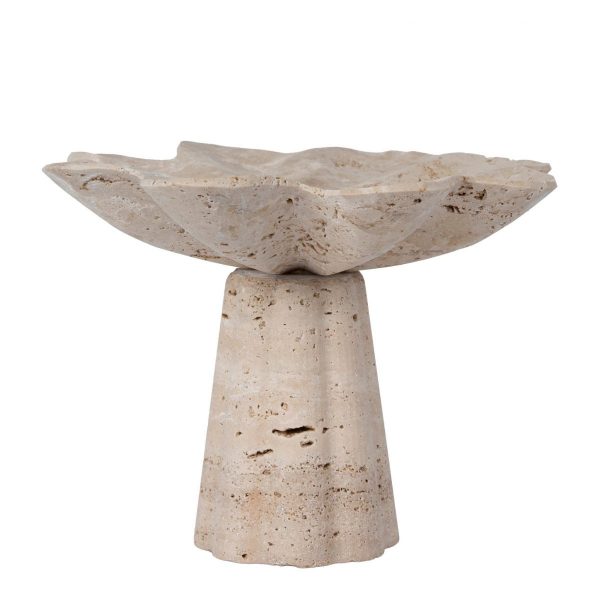
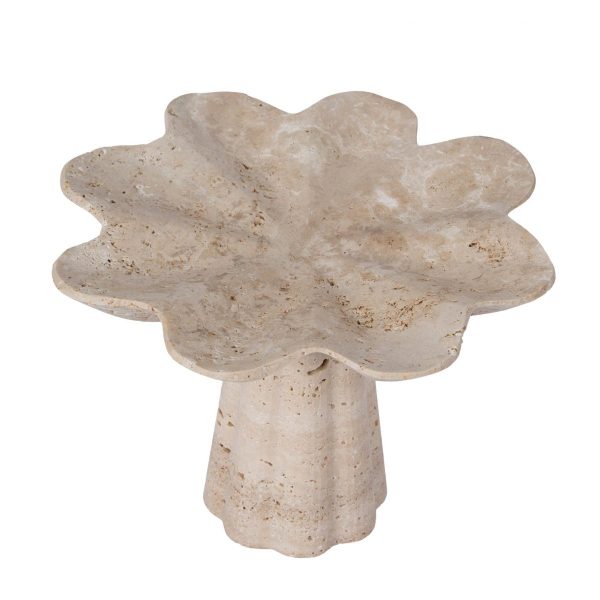

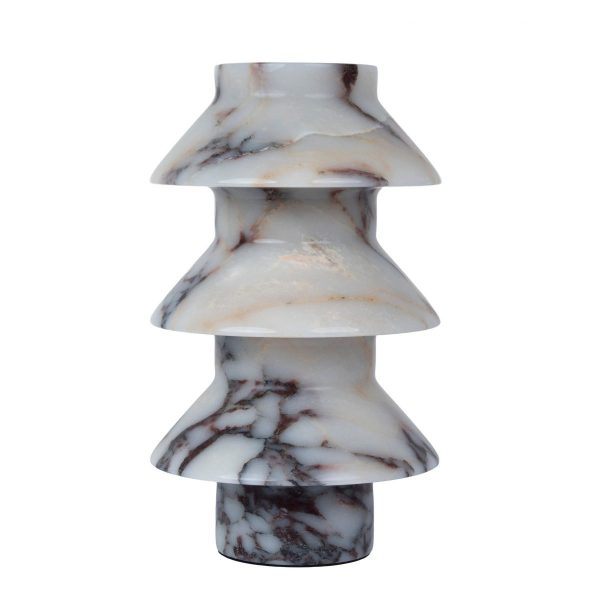
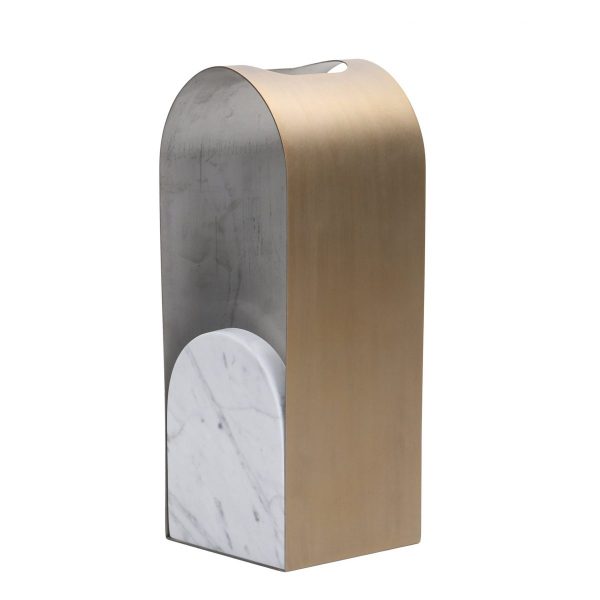

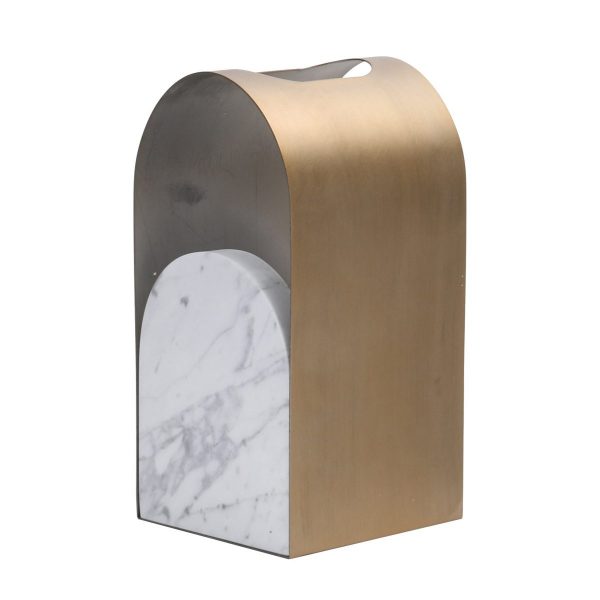

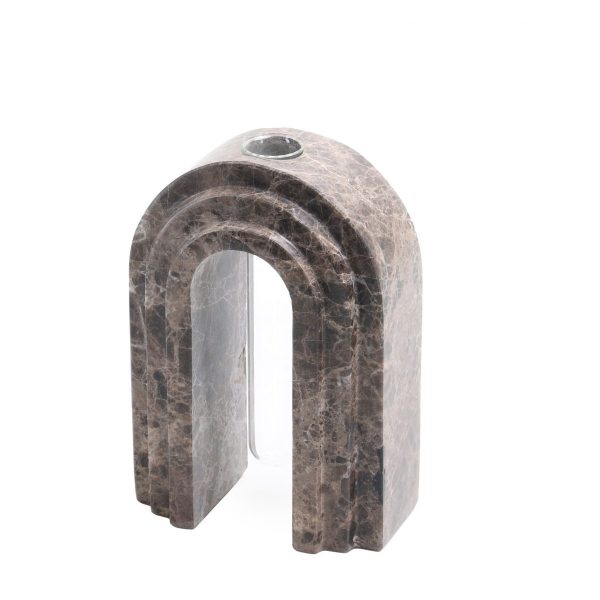

Choose the pattern as part of the arrangement
Look at the full vessel’s actual tone and vein character, including the face most likely to be seen. Decide whether that pattern should be the display’s main detail or a quieter partner to stems. A strong arrangement can compete with strongly marked stone rather than show both clearly.
Ask about expected variation if a particular pattern is important. Do not plan an exact photographed vein match across several natural stone pieces. Compare glass vases when visible stems are the intended focus instead. Choose the marble vessel through its complete shape and surface, so the pattern belongs to the display rather than being judged separately from its form.
Read the actual interior and stone construction
Check which parts are marble and how the selected vessel is described. Stone on a visible body does not establish the whole interior, base or any insert. Confirm the opening and usable space for the allowed contents.
If fresh flowers are intended, verify water-holding suitability and actual care rather than infer them from material thickness or a vase-like silhouette. If the piece is intended for dry display, choose that role clearly. The vases and pots guide helps compare vessels by contents and grouped scale. A preferred stone pattern should not be used to create an unstated flower or planting function after the material decision has been made.
Place the complete form on a useful surface
Read actual dimensions and weight where available, then check the furniture surface and permitted handling information. Mark the base and any arrangement above it. A stone-looking body may feel visually substantial even before its practical footprint is measured.
Use the tabletop vase guide when the vessel will share space with everyday objects. Follow the selected finish’s cleaning and contact instructions. Avoid acidic cleaners such as vinegar or lemon on marble: they can dull or etch the stone surface. If the vessel stands empty, use the visible stone pattern and whole outline to set its position. If it holds permitted contents, include their spread and height so the pattern still has a clear role and the surface remains useful.