
Glass Vases
Glass vases can make the stems and interior part of the arrangement rather than conceal them behind an opaque body. Choose what you want visible, then compare the actual glass finish, opening and silhouette. Clear, tinted and textured glass do not create the same view through a vessel.
Read moreRead less
If fresh flowers are planned, confirm the selected vase’s water-holding suitability and care rather than assume that every glass-shaped decorative object is intended for that use. Include the complete arrangement on the furniture too. This guide helps connect those decisions. Browse any listed pieces by their real material and dimensions, or compare vases and decorative pots when an opaque vessel would better suit the display you want to create.
Showing all 4 resultsSorted by recommended
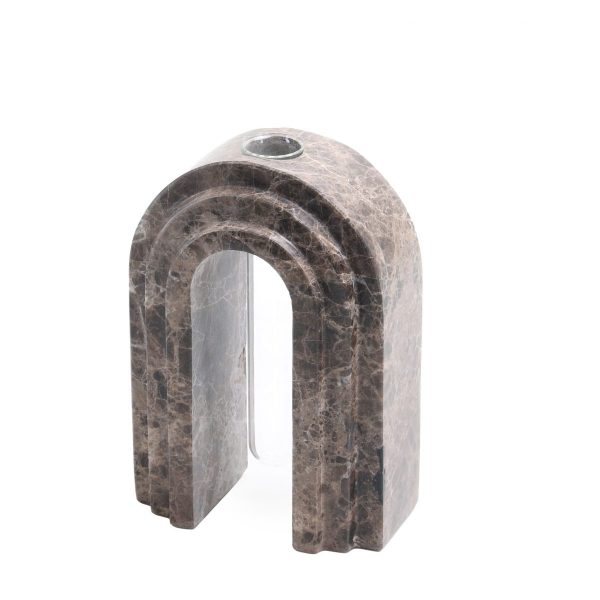


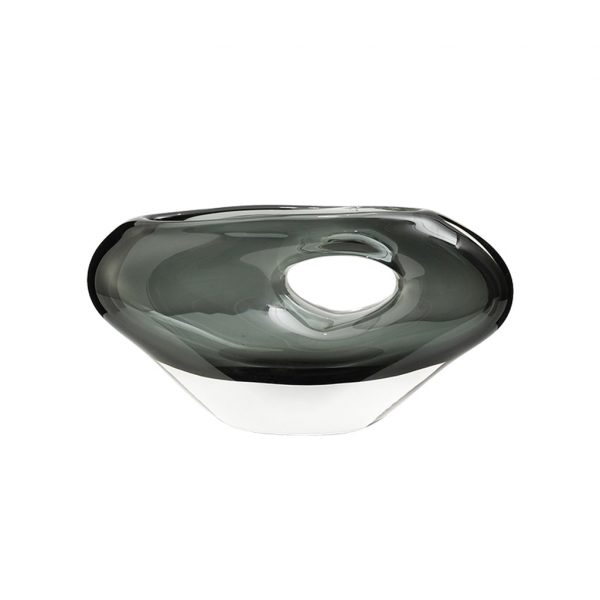
Plan the stems you will see through the body
Look at the actual transparency and shape rather than expect all glass to provide an uninterrupted view. Tints, texture and thicker-looking profiles can change the visible interior. Decide whether the stems are a clear part of the display or a softer background to the flowers.
Compare the opening with their intended volume and how they sit within the body. A broad glass silhouette may still have a narrow neck, and the widest outer measurement does not show usable interior space. Choose the vase around the real permitted arrangement, so the visible stems belong to a considered composition rather than become an overlooked jumble beneath the flowers.
Measure the base and complete arrangement together
Mark the actual vase footprint on its intended surface, then add the height and spread of the stems. Check the display from seated positions as well as across the room. Transparency can make an object look less solid without changing its real width or height.
The tabletop vase guide helps test a glass arrangement near meals or daily objects. Leave practical room for the surface’s other tasks and choose an appropriate position for the actual vessel. An apparently light glass form can still occupy a wide base or extend stems into a useful view, so measure the full display rather than the visual impression.
Choose the actual glass use and cleaning routine
Read water-holding, finish and cleaning information for the selected piece. Confirm whether there are other materials, a supplied insert or a decorative-only function. Glass as a material does not establish every detail of a complete vessel.
Consider the opening when assessing how the specified care can be followed and how the display will be refreshed. Compare marble vases when you want the vessel’s own surface pattern to lead instead of visible stems. Where you want stems visible, include their placement inside the body as well as the flowers above it. Check how the actual opening allows the specified cleaning and refreshing routine, so the interior can remain part of the display you intended.