
Tabletop Vases
Tabletop vases belong on surfaces people use, so choose the complete arrangement around those everyday tasks. A dining table needs room for the meal; a bedside or occasional surface may need a reachable lamp or personal objects. The vase and stems should fit that routine rather than require it to be cleared first.
Read moreRead less
Measure the actual base, body and planned contents together. A narrow vessel can still support an arrangement that spreads into a seated view or practical reach. Test the complete display from the nearest seat, then keep the table’s ordinary objects and reaching space beside it. Browse any listed pieces by their opening and dimensions, or explore vases and decorative pots when choosing the vessel’s allowed contents before deciding where it will stand.
Showing all 10 resultsSorted by recommended
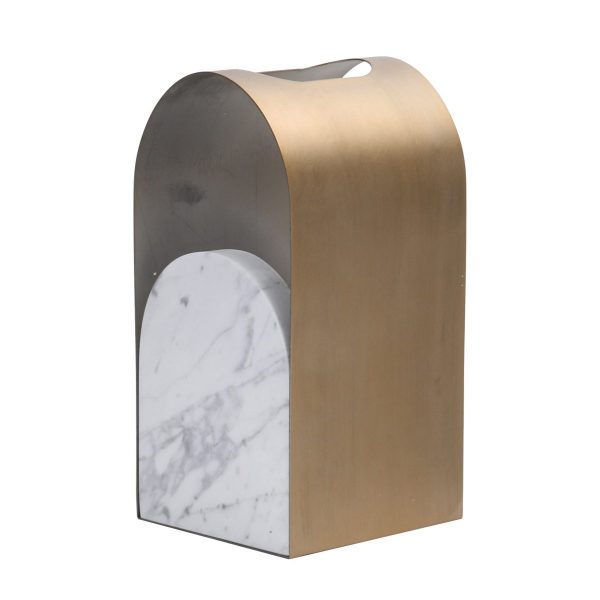

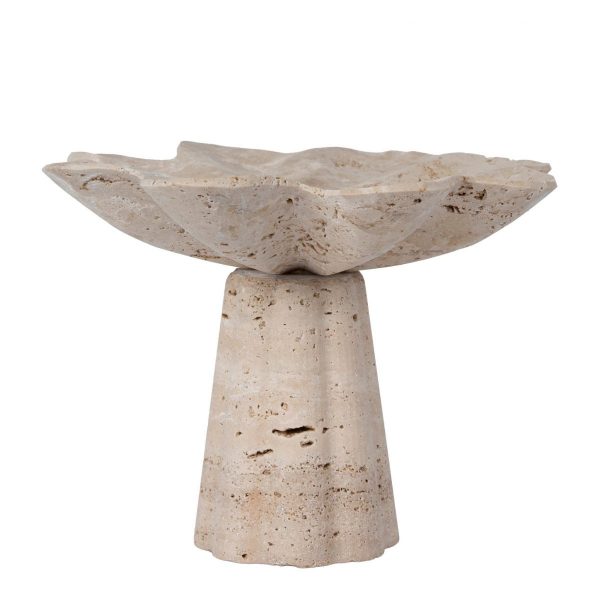
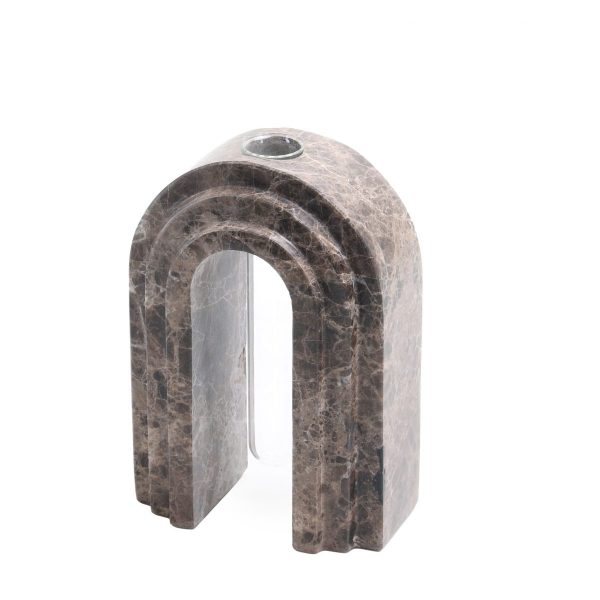


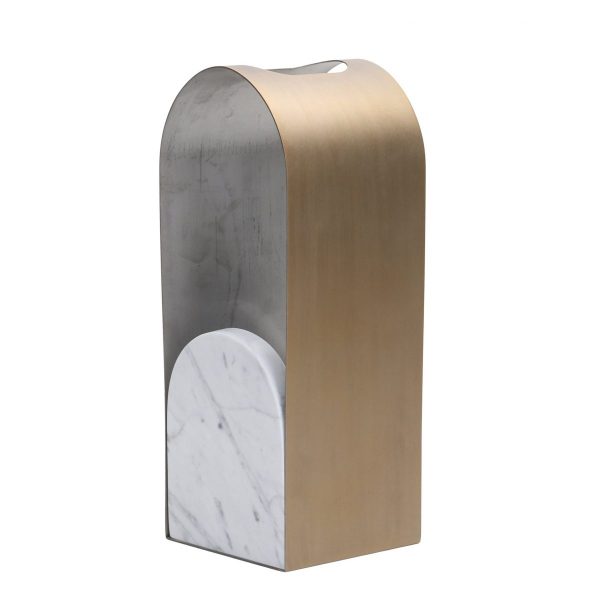
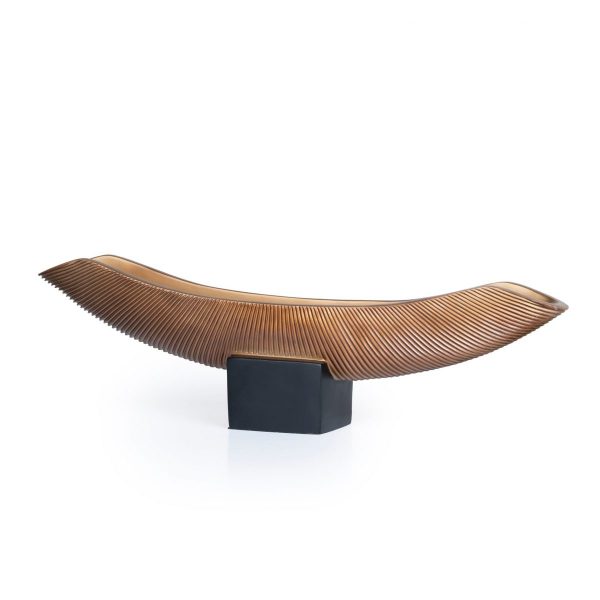


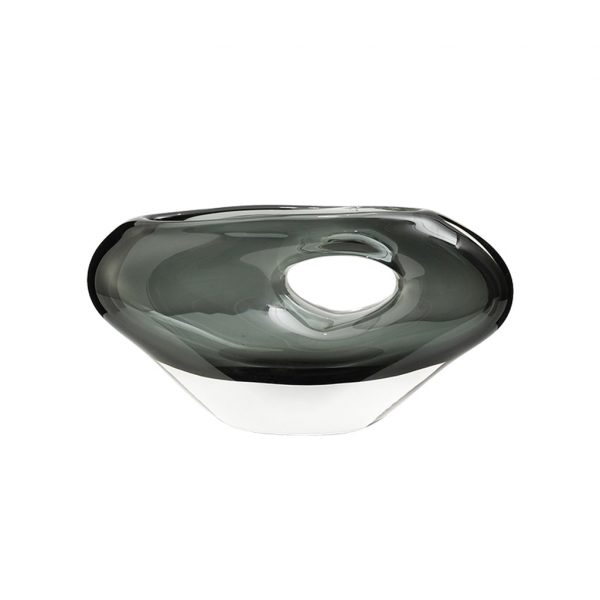
Leave the tabletop’s main task useful
List what normally occupies the surface and what needs to move during use. On a dining table, mark place settings and shared dishes. Beside a seat, keep frequently used objects within practical reach rather than behind a permanent display.
Choose the vase footprint after those useful areas are clear. A smaller base is helpful only if the body and arrangement leave the same access above it. Compare side tables when the available display surface itself needs to change. Select a tabletop vessel that belongs to the routine rather than treat every decorative gap as spare space regardless of how the table is actually used.
Check the arrangement from seated positions
Include the full height and spread of stems or other allowed contents, not only the bare vessel. Look across the table from the positions people use. Check whether the arrangement interrupts the intended view or makes reaching around it awkward.
Measure a complete outline on the actual surface before refining colour. Explore glass vases if visible stems or a transparent body are preferred, remembering that transparency does not remove physical space. Choose the proportion that supports the seated view and surface use together. An arrangement can look compact from the doorway while being less useful from the chair beside it.
Choose an opening and care suited to refreshing it
Compare the actual opening with the intended stems or dry contents and read the allowed use. A tabletop location does not establish water-holding suitability or a planting role. Confirm material, finish and any supplied interior component before setting up the display.
Think about how the arrangement will be moved or refreshed according to its instructions while nearby objects remain practical. The vases and pots guide helps compare a group if several vessels share the table. Choose the complete display through useful room, viewing position and real care, rather than solve an oversized arrangement by moving it elsewhere every time the tabletop’s main task begins.