
Travertine Decorative Sculptures
Travertine decorative sculptures can use the stone for the main form, a base or another component within a mixed-material design. Start with the outline you want to see from your usual seat or doorway, then compare how the selected travertine appears across the faces visible there. Texture and shape need to work together in that view.
Read moreRead less
Travertine naturally contains cavities, and exposed areas may be filled or left open during finishing. Read the individual treatment rather than expect every sculpture to show the same surface. Browse travertine sculptural forms below with your support dimensions in mind. Travertine decorative objects give a wider comparison if the stone texture matters more than a standalone sculptural outline.
Showing all 8 resultsSorted by recommended
-
-
On SaleOriginal price was: $193.00.$170.00Current price is: $170.00.
-
-
-
-
-
-


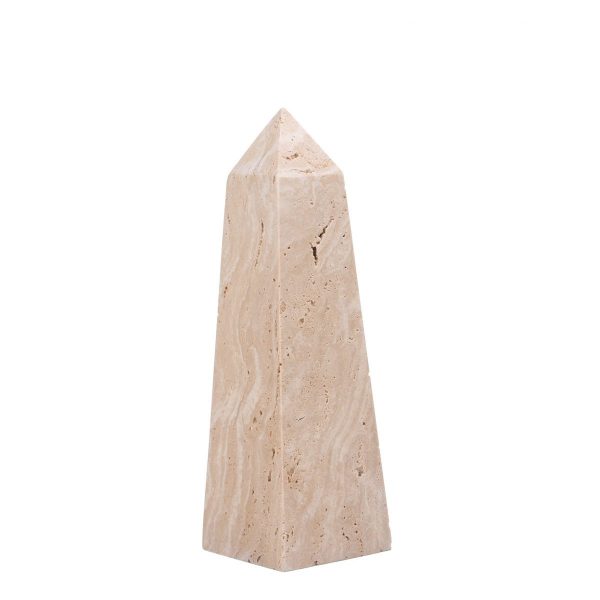
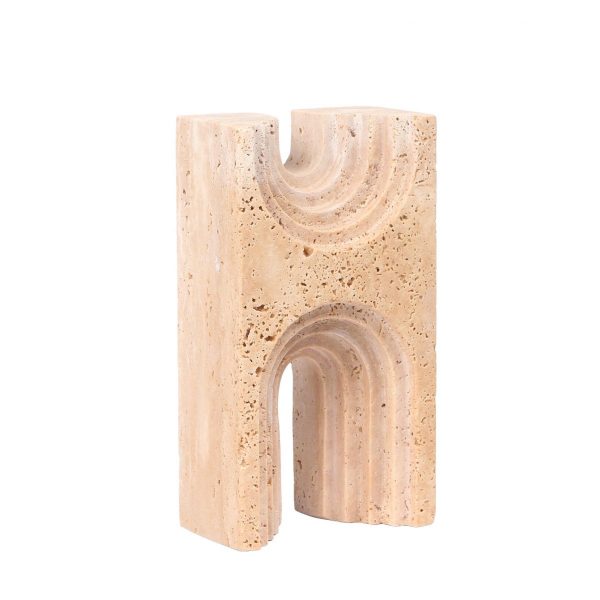
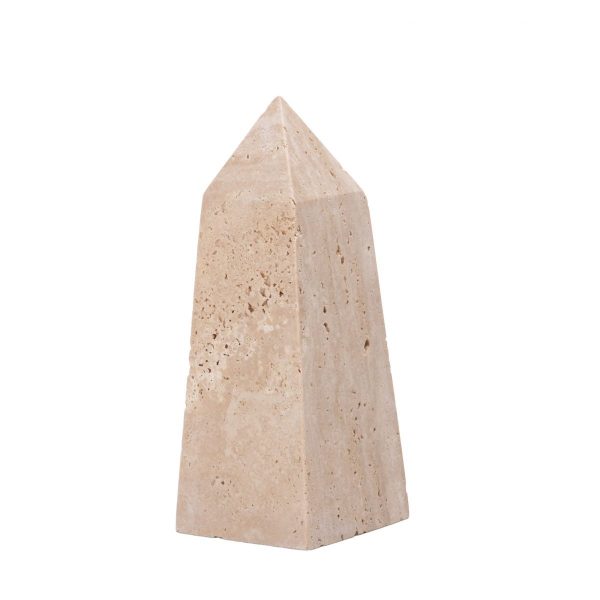
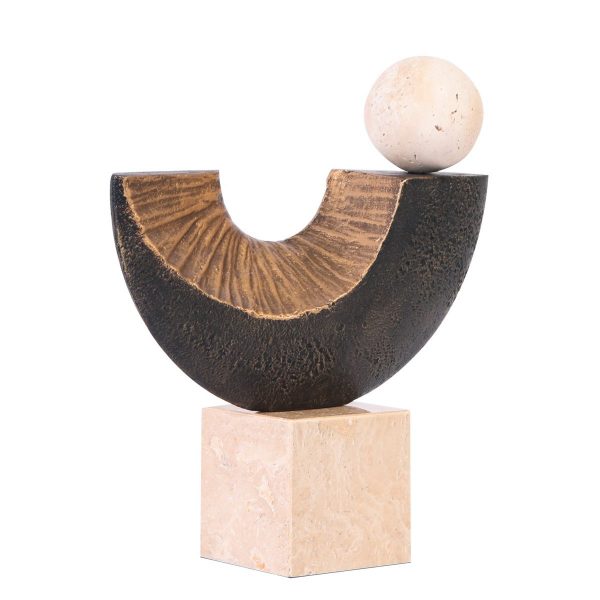
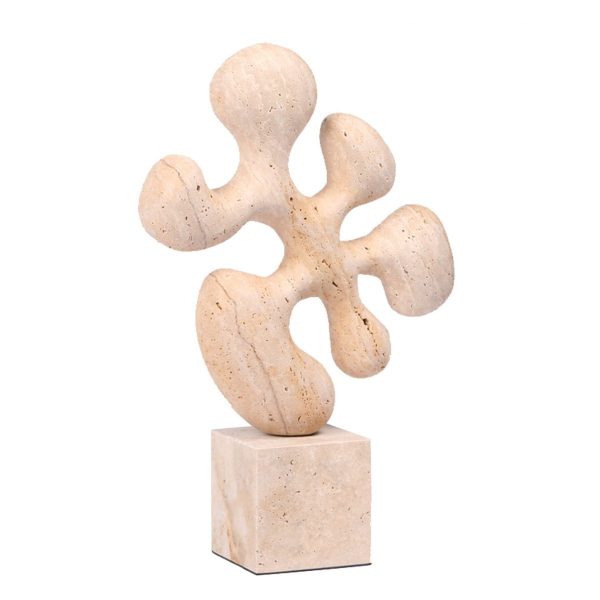

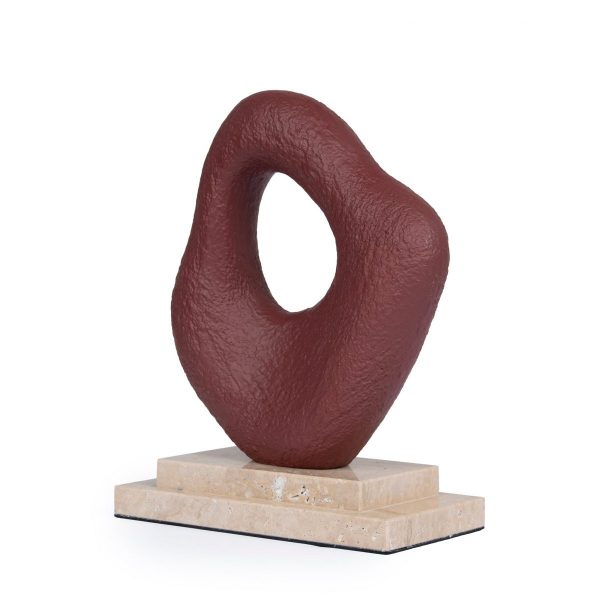
Which faces reveal the texture and shape you want?
Compare the sculpture from the side approaches available in your room as well as its front. TOROSA combines a resin form with a dark bronze finish, a travertine base and a travertine sphere. The stone detail and the main silhouette contribute differently in that view. A curve, angled face or opening, where present, can expose a different area of the stone as your viewpoint changes. Check the background visible around and through the form so its outline remains clear.
For a travertine sculpture display, decide whether nearby textures will support or compete with that surface. Strong timber grain, patterned upholstery or several detailed objects can make the sculpture’s smaller features harder to see. Use the available full-form and close-up images together. Compare marble sculptures if you prefer to explore a vein-led stone appearance alongside the same question of room scale.
Do you prefer visible cavities or a more filled surface?
Look at the stated finish of the actual sculpture. Travertine’s exposed cavities can be filled or left unfilled; filling changes the surface appearance and does not describe the entire stone’s internal structure. Read detail information before treating a distant photograph as a reliable guide to every recess.
For textured stone sculptures, check the faces that will be easy to inspect and clean once displayed, including any inner opening or lower edge. A more textured surface and a smoother filled face can give the shape different emphasis. Ask about the chosen design if that treatment is unclear. Choose the surface you want to see and maintain, rather than assume the travertine name means one fixed texture or colour.
Where can the complete sculpture stay well supported?
Measure the base, full width, depth and height against the intended furniture. Use the stated weight and placement instructions alongside the supporting surface’s guidance. Keep any projecting form clear of movement nearby, and check the underside before choosing protection for the furniture finish.
Follow care for the actual travertine treatment and any other components. Natural travertine is acid-sensitive, so keep acidic spills and unsuitable cleaners away from that component. Use the separate instructions for resin or another combined surface. Leave access to the surfaces you need to clean without repeatedly lifting the sculpture through a narrow gap. Display plinths offer another support comparison; match the individual support to the sculpture’s dimensions and weight before choosing that placement.
Frequently Asked Questions
Explore sculptures and decorative objects when comparing a travertine focal shape with other material choices.