
Marble Decorative Sculptures
Marble decorative sculptures may show the stone across the main form or pair a different sculptural material with a marble base. Decide what attracts you first: the shape, the vein pattern or the way the two meet across a curved or angled face. Compare that detail from the place where you will actually see the piece.
Read moreRead less
Marble sculptural forms also need a suitable support, with the whole base and any projecting parts considered. Read the actual construction, dimensions and weight rather than choose from a close-up alone. Browse the sculptures below, or compare sculptures and decorative objects across materials before deciding that marble is the right focal detail for your room.
Showing all 19 resultsSorted by recommended
-
On SaleOriginal price was: $256.00.$212.00Current price is: $212.00.
-
On SaleOriginal price was: $256.00.$212.00Current price is: $212.00.
-
On SaleOriginal price was: $169.00.$140.00Current price is: $140.00.
-
On SaleOriginal price was: $315.00.$261.00Current price is: $261.00.
-
On SaleOriginal price was: $222.00.$184.00Current price is: $184.00.
-
On SaleOriginal price was: $193.00.$160.00Current price is: $160.00.
-
On SaleOriginal price was: $199.00.$165.00Current price is: $165.00.
-
-
On SaleOriginal price was: $349.00.$290.00Current price is: $290.00.
-
On SaleOriginal price was: $237.00.$197.00Current price is: $197.00.
-
On SaleOriginal price was: $149.00.$124.00Current price is: $124.00.
-
On SaleOriginal price was: $149.00.$124.00Current price is: $124.00.
-
On SaleOriginal price was: $155.00.$129.00Current price is: $129.00.
-
-
-
-
-
-
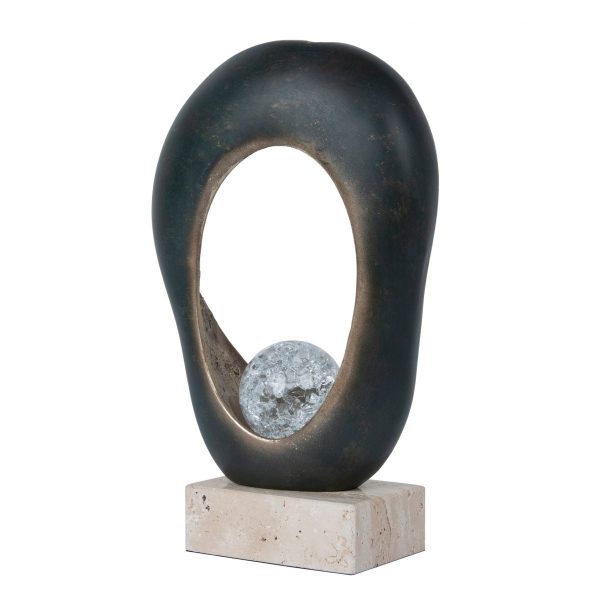

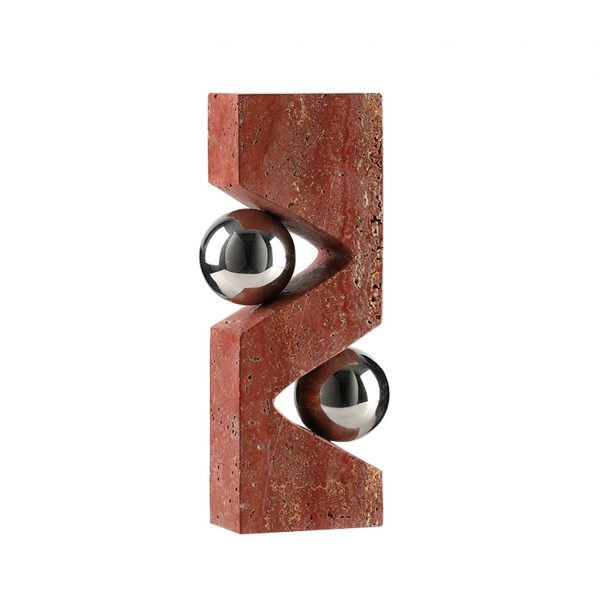

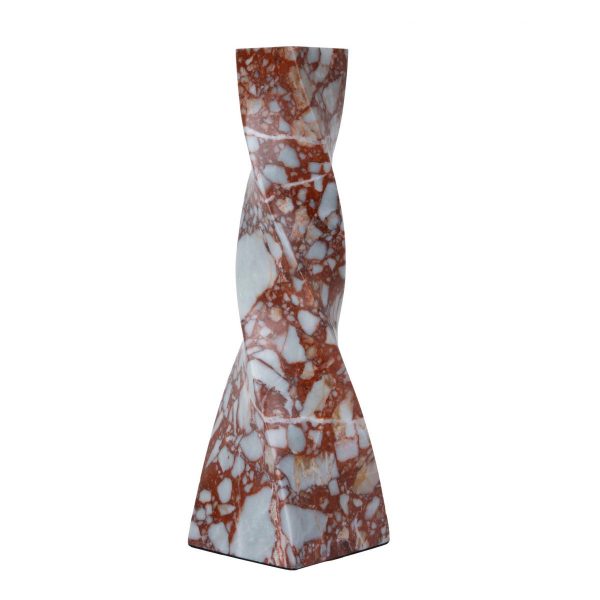
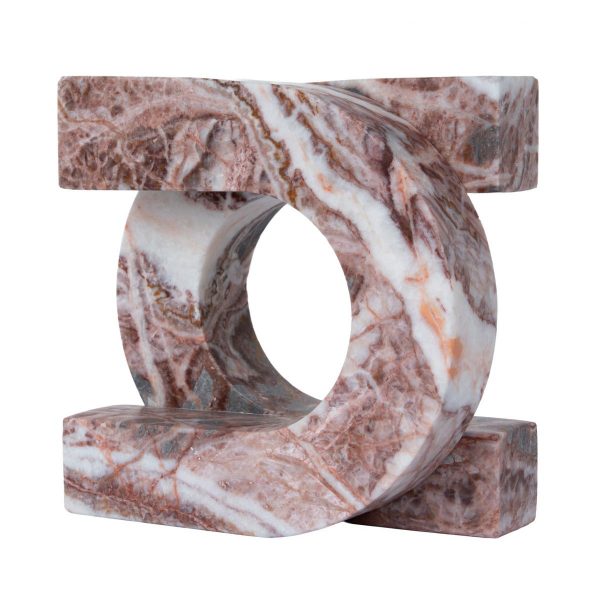
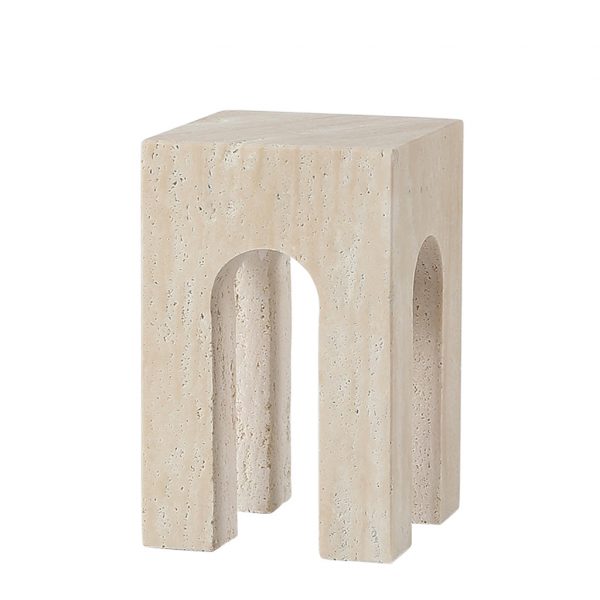
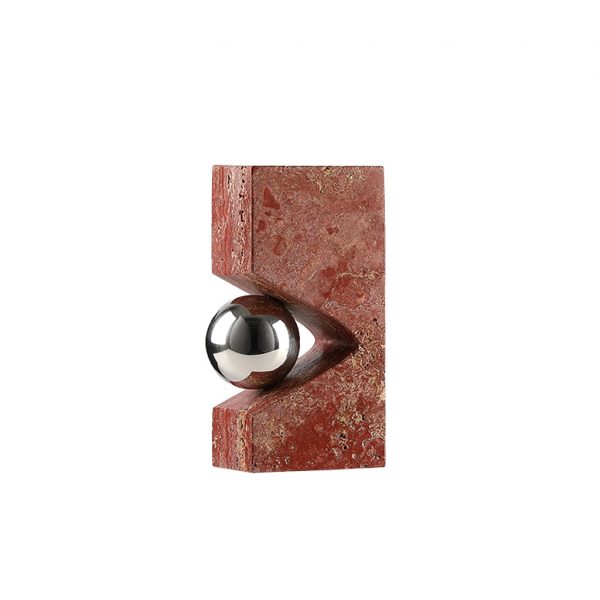


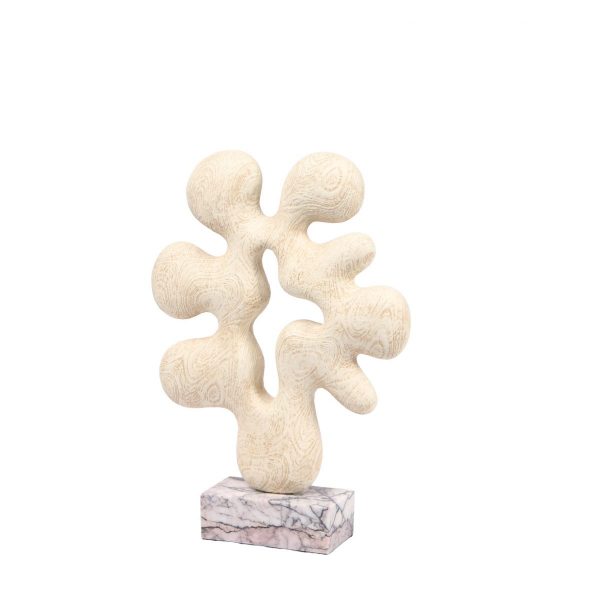
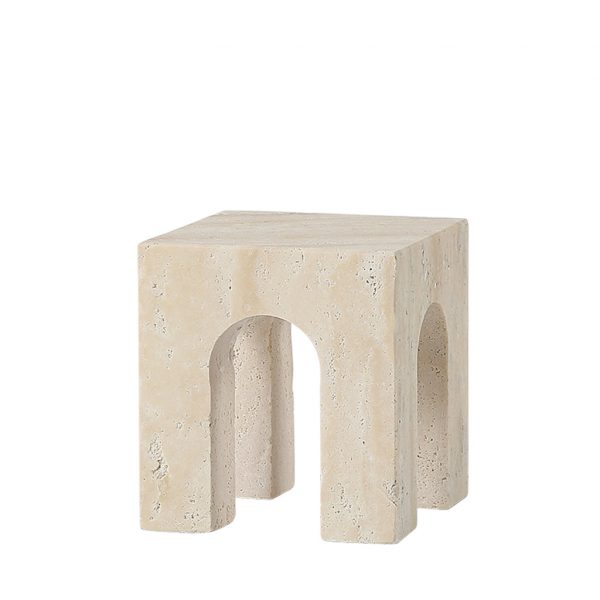

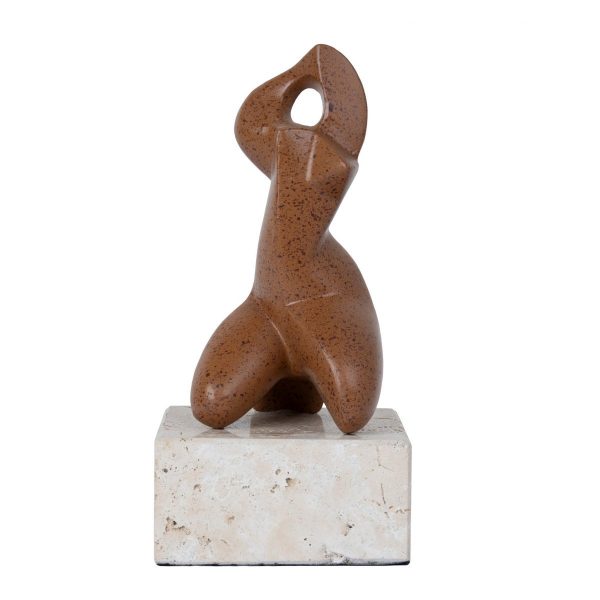
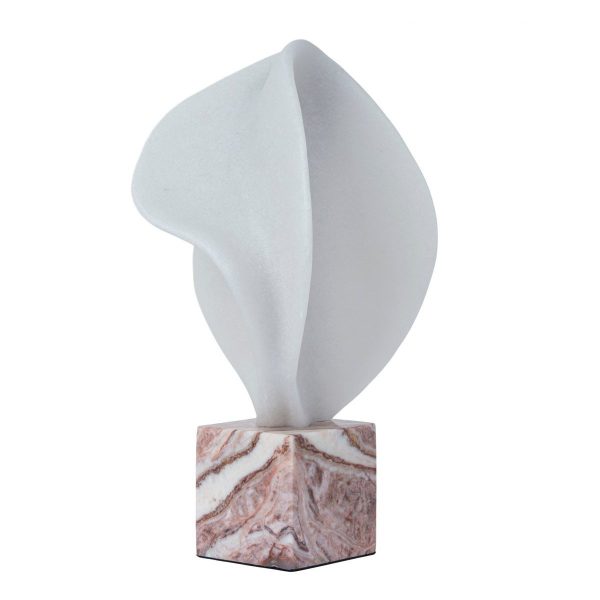


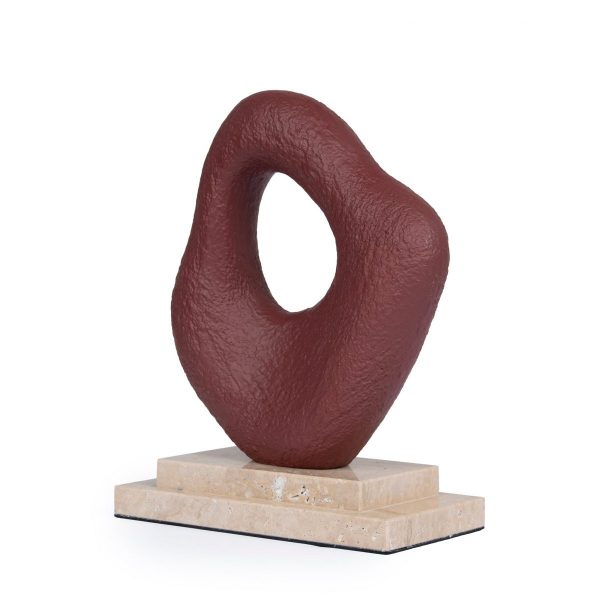

Should the outline or stone pattern lead the view?
Look at the sculpture as a whole before studying the marble close-up. VALIVINA pairs a coral-inspired resin form with a Dark Emperador marble base, so the upper outline and the stone pattern sit in different parts of the view. A strongly shaped form may read best against a quiet background, while visible veins can become part of the focal interest. Compare both with artwork and furniture detail already in the same line of sight.
For a marble sculpture display, examine the faces that will show from a seat, doorway and side approach. The direction of the visible pattern can change as the form turns. Use any stated natural variation information instead of requiring every supplied piece to copy one vein arrangement. If you mainly want a stone accent within a group, marble ornaments provide the closer grouping comparison.
Can the supporting furniture accommodate the whole form?
Compare the sculpture’s base, widest points and height with the complete display surface. Use its stated weight alongside the furniture’s load and placement guidance. Keep projections clear of passing movement, and check whether nearby shelf levels or artwork interrupt the outline.
Stone sculpture support involves the actual contact area as well as the visual scale. Read base protection details and check how the underside meets the chosen finish. If considering display plinths, compare the particular support’s dimensions and suitability for the actual sculpture; a shared display purpose alone does not establish a match. Choose a location where the base is fully supported and the sculpture can be reached without an awkward lift.
What construction and care will you live with?
Read which components are marble and whether the form includes joins, a separate base or another material. The word sculpture does not establish a single carved block or a particular making method. Check detail views and assembly information so the construction you choose is clear.
Use care instructions for each material separately; resin is a different surface from a marble base. Follow the actual stone finish’s care on the marble component. Acids can etch natural marble, leaving a dull change to the surface, so avoid acidic cleaning shortcuts. Plan how the main body will be supported when moved, rather than use an opening or thin extension as a handle. A sculpture that stays in a suitable, reachable position needs fewer disruptive moves when you clean the furniture around it.
Frequently Asked Questions
Compare sculptures when you want the same focal role with a different material relationship.