
Display Plinths
Display plinths give an object a deliberate place and height rather than add another broad surface to fill. Start with the piece to be shown: its actual base, intended view and placement needs. Then choose a plinth whose usable top and stated support suit that object.
Read moreRead less
The full floor footprint and room route matter as much as the elevated display. A narrow-looking top does not establish the base dimensions or permitted load. This guide helps compare those facts together. Browse any listed plinths with the object measurements in mind, or explore decorative accessories while deciding the item itself. The support should make a clear presentation without taking more space or suggesting capacity than the actual specification supports.
Showing all 4 resultsSorted by latest
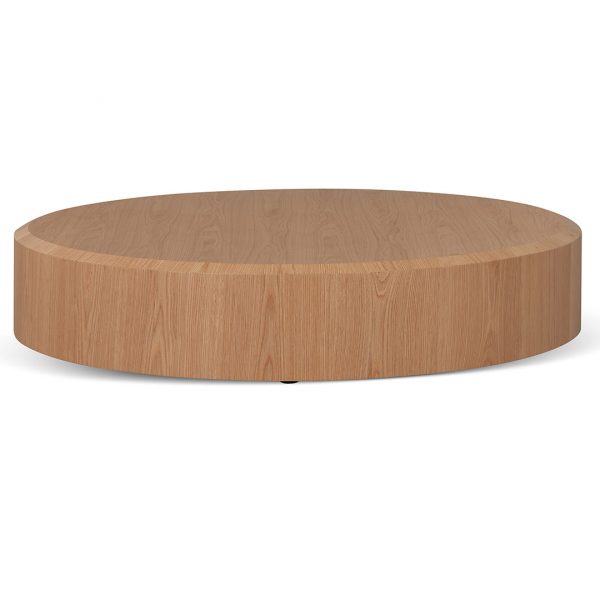
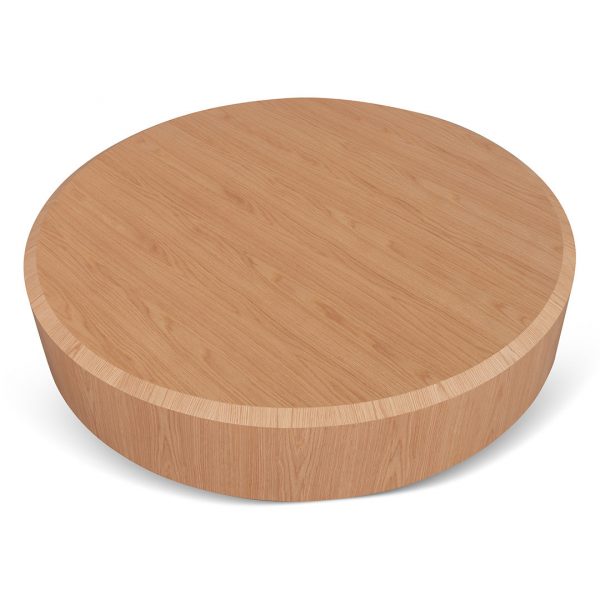
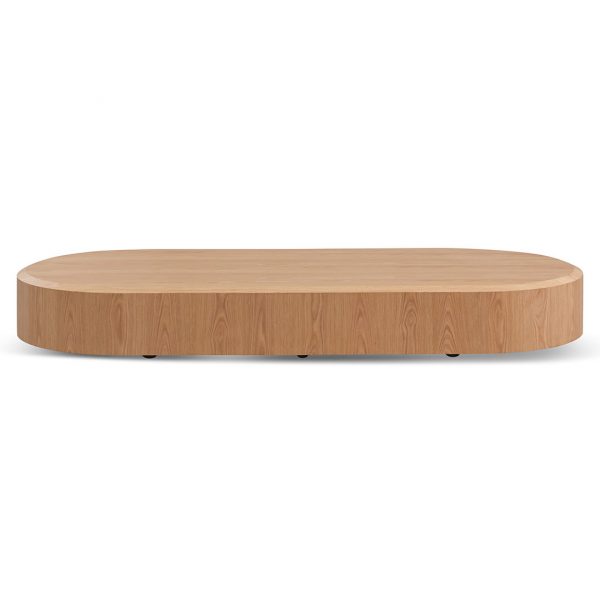
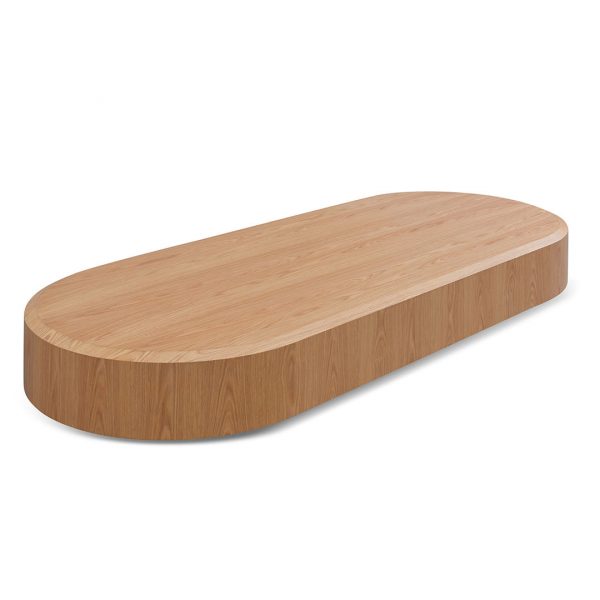
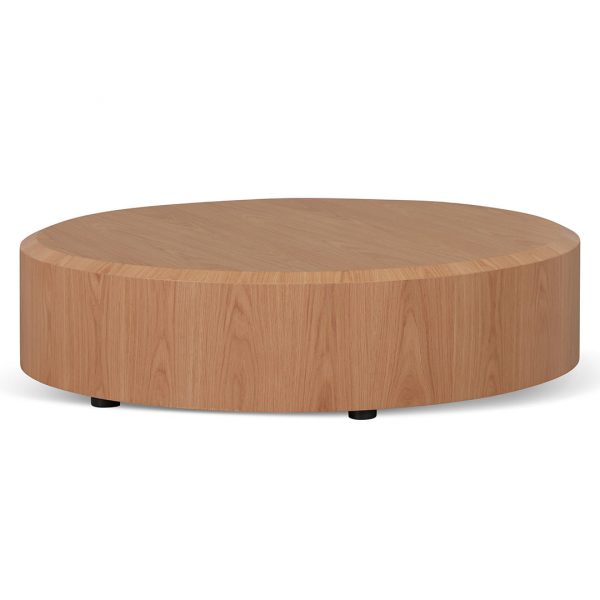
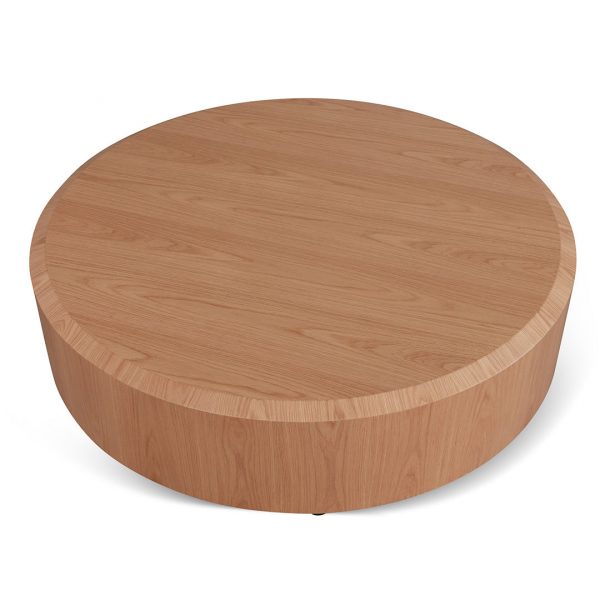
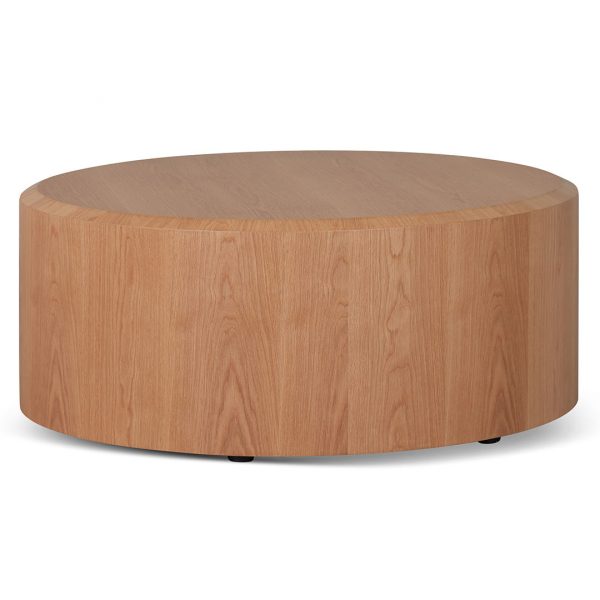
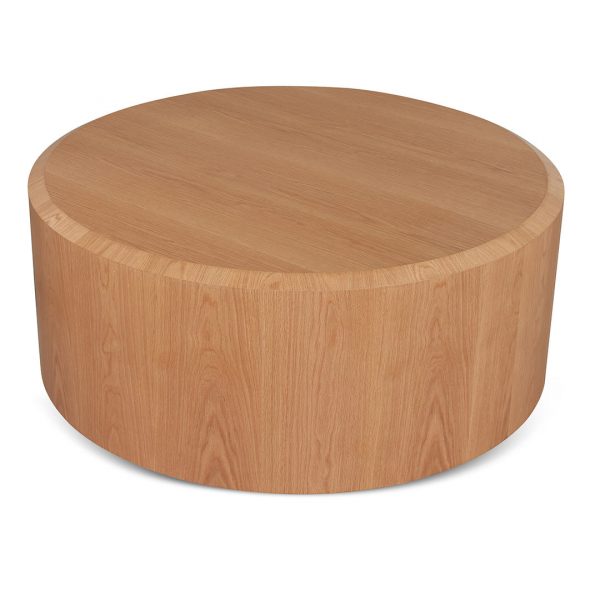
Make the usable top suit the object base
Measure the object at its base and any wider or projecting parts. Compare that complete shape with the actual plinth top rather than maximum furniture width alone. Follow the object’s and plinth’s placement guidance, including stated support limits.
Ask about missing load or dimension information if it affects the display. A substantial-looking column cannot establish capacity, and a narrow support should not be selected merely to make the object appear dramatic. The useful top provides an appropriate position for the actual piece.
Choose height for the view you want to show
Assess the object from the doorway and ordinary standing or sitting positions. The plinth should reveal the intended face or silhouette rather than simply raise everything as high as possible. Include the object’s height when comparing the complete arrangement.
Check nearby furniture and wall features so the presentation has clear room around it. If the object sits along a wall rather than independently, compare console tables for another surface form. One plinth can make a focused display without several competing objects. The useful height belongs to a real view in the room, not just a pleasing isolated proportion in a product photograph.
Keep full support and room movement in the plan
Mark base and top outlines separately where they differ, then check the route around the display. Consider access for placing and maintaining the object according to the actual guidance. A visually simple column still uses real floor space.
Read material, finish, assembly and any fixing or placement instructions. For a wood-based comparison, explore timber display plinths through actual construction. Keep care for the object and support separate where materials differ.