
Timber Display Plinths
Timber display plinths combine a wood-based material choice with a supporting job for a specific object. Read the actual construction rather than infer a solid block from the visible face. Timber components, veneers and other materials can have different roles within the form.
Read moreRead less
Then compare usable top, complete height and floor footprint with the display. A preferred wood should belong to support that suits the real object and room. This guide helps join those questions. Browse any listed pieces with the actual component details in view, or explore display plinths for the wider object-size and placement decisions before selecting a timber construction or finish.
Showing all 4 resultsSorted by latest
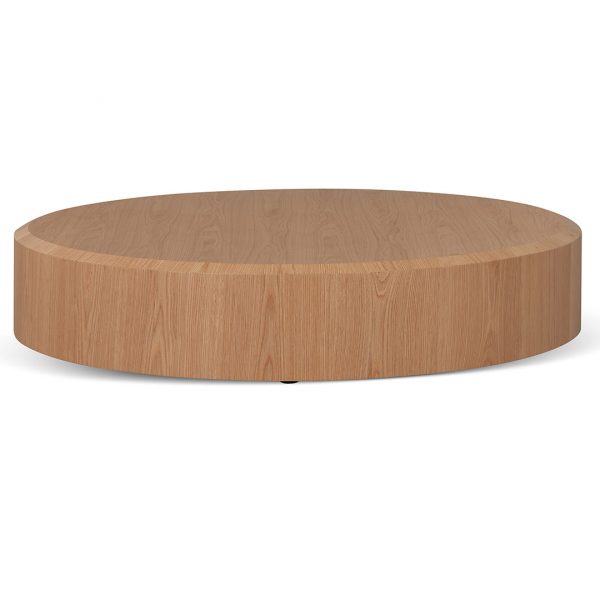
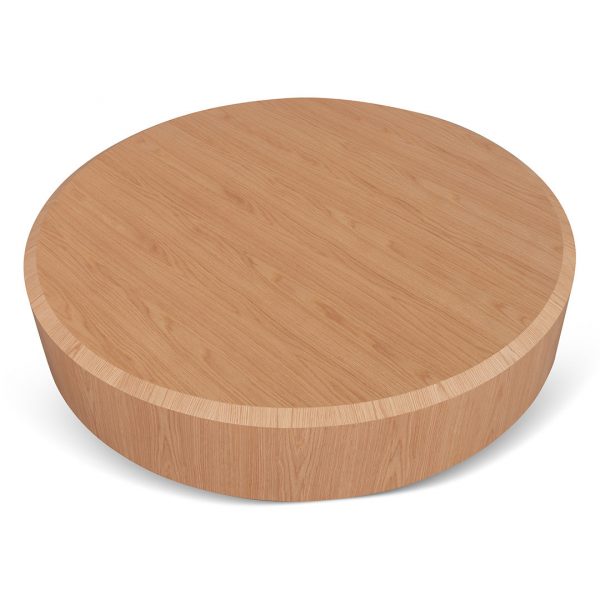
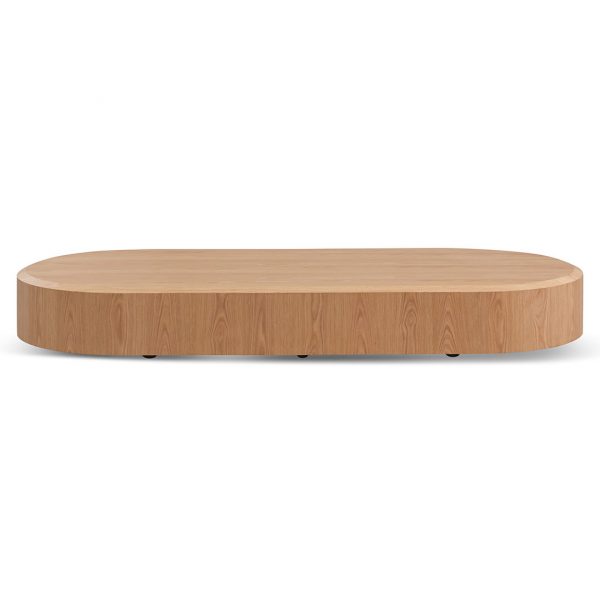
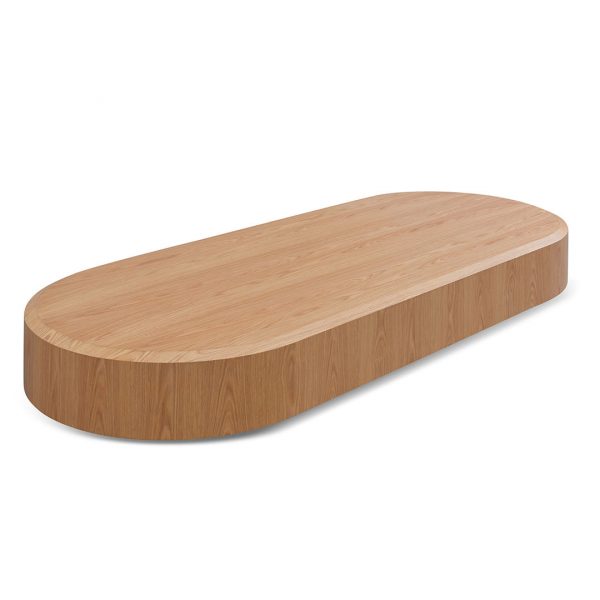
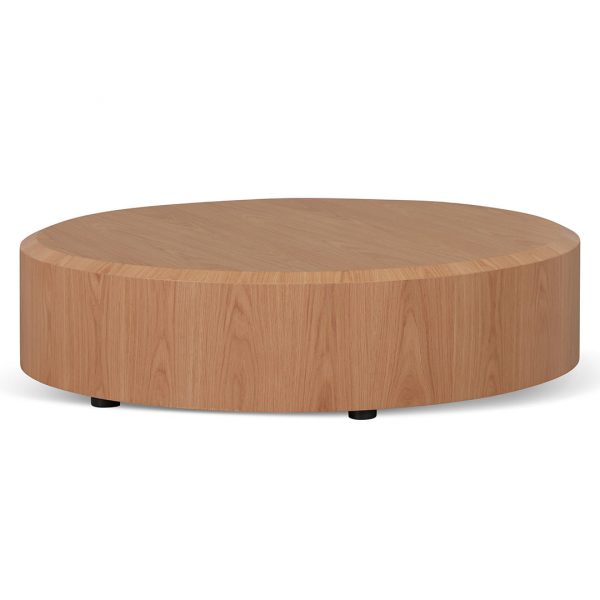
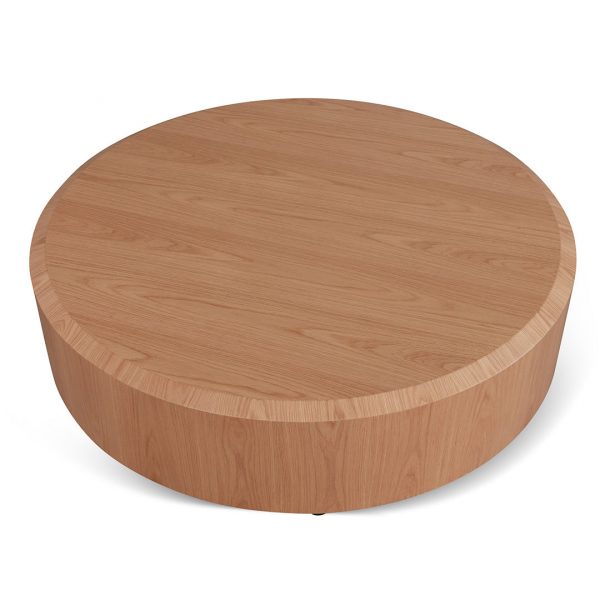
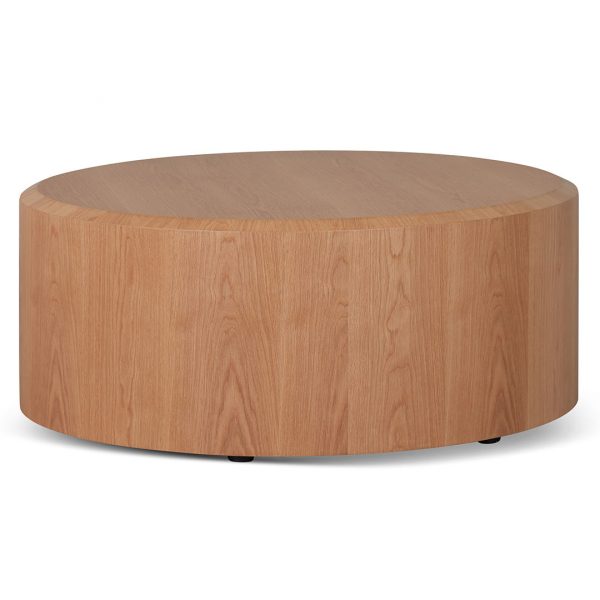
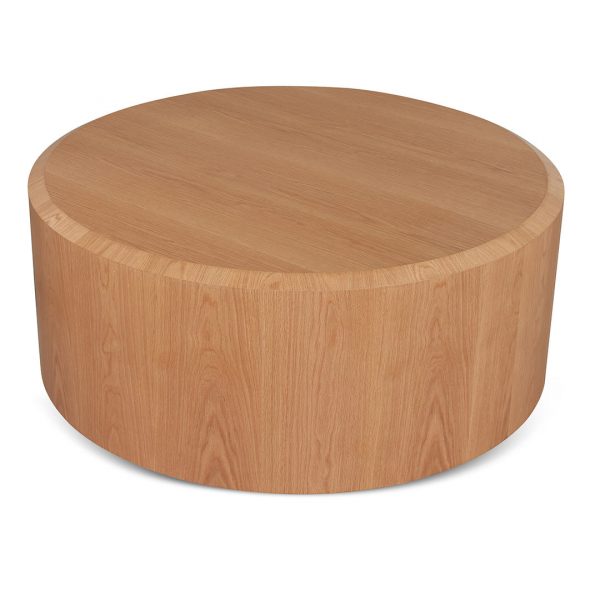
Read the timber face and structure separately
Look for solid timber, veneer and supporting materials in the specification. A wood-looking side cannot establish the core beneath it, and a substantial silhouette is not proof of one construction method. Ask about facts central to the intended object.
Check the top, edges and joins as well as the sides. Those are parts of the actual support and finished surface, not just visible decoration. If natural grain is the preference, compare natural timber display plinths while keeping construction accurately identified.
Use dimensions and guidance for the actual display
Measure the object base, height and projecting parts, then compare usable plinth top and stated load or placement limits. Material appearance cannot replace those checks. The selected object should have an appropriate supported position within the product’s actual intended use.
Mark the complete footprint in the room and assess the finished height from ordinary views. For a group, the plinth arrangement guide can help compare spacing and object roles. A wood-based support should present the piece clearly without narrowing routes or borrowing capacity from a block-like appearance. Keep the display and support measured together rather than judge either in isolation.
Maintain the finished support around its object
Follow care for the actual coating and any other material. Timber does not mean the surface should be oiled, polished or sanded without guidance. Read protection required under the displayed base as well as cleaning for visible faces.
Leave practical access to lift or place the object as its guidance allows and keep both items easy to maintain. Explore decorative accessories if another object or arrangement better suits the support’s dimensions. Confirm assembly and any fixing information before positioning.