
Natural Timber Display Plinths
Natural timber display plinths make the support’s wood appearance part of the presentation. The timber should relate to the object without competing with the detail being shown. Compare the whole vertical face and top rather than choose from one attractive grain patch.
Read moreRead less
Read actual construction and coating separately from the natural-looking tone. The appearance does not establish a wholly solid structure, raw surface or load limit. This guide helps connect that material choice with a useful display. Browse any listed plinths with the object beside the palette, or review display plinths for the broader top, height and room-position questions before settling on a visible timber finish.
Showing all 4 resultsSorted by recommended
-
On SaleOriginal price was: $1,736.00.$1,528.00Current price is: $1,528.00.
-
-
-
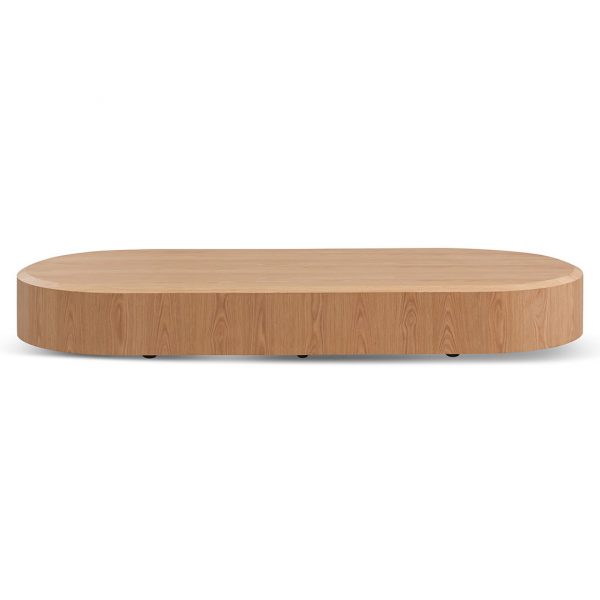

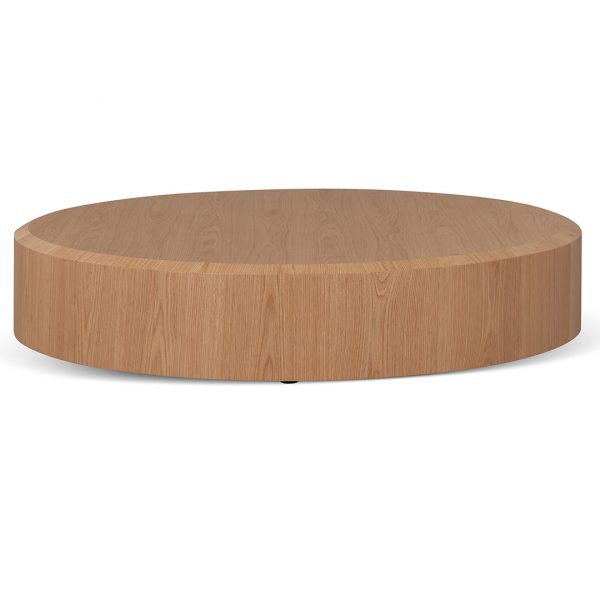
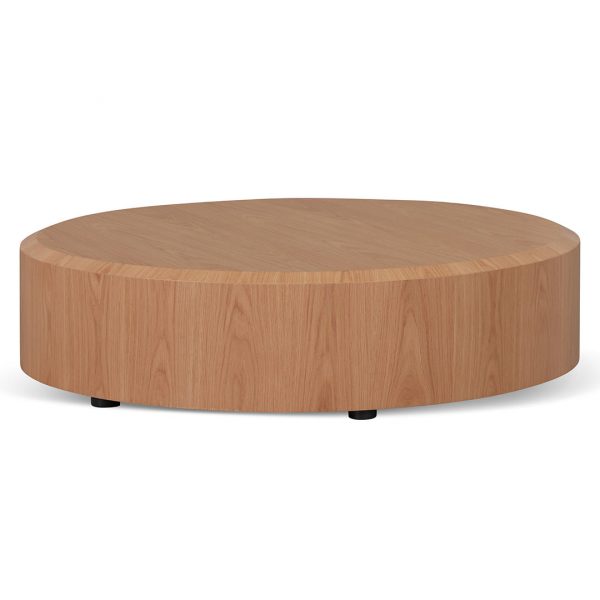
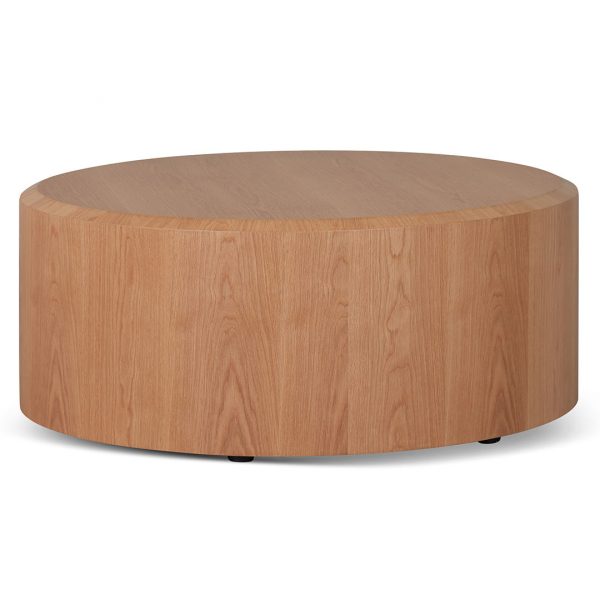
Choose wood character as part of the object’s background
Assess the object’s colour, texture and outline against the full timber face. A strongly patterned object may benefit from a quieter support, while a simple form can have another relationship with visible grain. The support should give the chosen piece a clear place, not become a competing display by accident.
Check natural variation and finish information rather than expect a fixed shade. Grain direction across the side and top can affect the presentation differently. Ask about those details when the wood character is central.
Keep material appearance separate from support capacity
Read solid, veneered or other components accurately. A timber-looking column does not establish what lies beneath its face or how much it can support. Use actual top dimensions, load and placement guidance.
Measure the object base and any projections alongside the full plinth footprint. Height should reveal the intended view, not distract from unsuitable support or room movement. Compare timber display plinths for a wider construction question. The natural tone is one preference within a measured support arrangement; it cannot replace the structural information or actual use limits needed for the object you want to present.
Maintain the finished timber and displayed object separately
Natural appearance does not mean the surface should be oiled or sanded. Follow care for the actual coating and construction, including protection under the object where instructed. The object may have its own different care requirements.
Keep access for placing, clearing and maintaining the display without narrowing the room route. Explore decorative accessories if another object or arrangement better serves the presentation. Confirm assembly and any fixing guidance too.