
Timber Storage Footstools
Timber storage footstools should be compared through the wood components and the surface used for resting. Start with whether timber forms the body, top or another specified part. A wood-framed footstool can include a different contact material, so keep those descriptions separate rather than imagining an all-wood construction. Read usable height and top dimensions with your chair or sofa.
Read moreRead less
Then compare the interior and opening routine. Ottomans and footstools provide the wider fitting guide. Timber footstools focus on wood components more broadly, while fabric storage footstools offer a covered-contact route. Choose the actual resting and storage roles before expecting timber appearance to explain the full furniture build or care.
Showing the single result
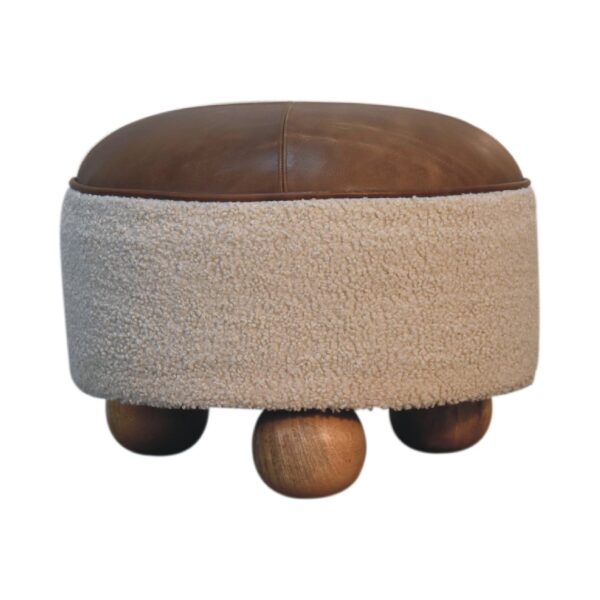

Read wood and the usable resting surface separately
Check top, body, base and internal materials component by component. Timber in a visible area does not identify the concealed construction or establish solid wood throughout. Read any stated species, veneer construction and separate supplied covering. Ask about missing material information where it decides the purchase.
Compare usable footrest height and area with the normal seated position. A broad timber body may take space beyond the contact zone, so use actual measurements rather than the outer silhouette. Round storage footstools offer another shape comparison where useful. Choose wood character on a form that already provides a practical resting position instead of allowing appearance to replace contact dimensions.
Make hidden storage useful through its actual opening
Measure the stored groups in their planned arrangement, with clearance to lift them out. Read usable internals and fittings instead of estimating capacity from the wood body. The top and base construction can occupy part of the assembled outline. Choose the compartment for actual items rather than a general storage label.
Confirm access direction and mechanism instructions. If the resting area forms the opening, include clearing it before retrieval. Seating with storage helps compare that change between tasks. Plot the opening beside the sofa and nearby furniture without inferring a removable lid or controlled closing from a timber seam. Useful capacity depends on both object fit and access.
Choose component care and room movement together
Follow the actual finish guidance for the wood, with any covered top and interior care kept separate. Timber does not establish permission to oil, wax or use every furniture polish. Check loading and supported functions independently; a wood top does not automatically supply extra seating or a table role.
Plot the full footstool in use and during storage access, with approach and room to stand left useful. Read handling if it moves between positions rather than assuming a compact wood form is lightweight. Living furniture provides the wider arrangement. Confirm assembly and supplied parts, then ask benssur about unclear internal or contact measurements before comparing the wood body, resting contact and storage opening beside the seat.