
Sideboards with Storage
Sideboards with storage should be chosen from the contents you actually want to keep, rather than from the largest cabinet that fits a wall. Begin by grouping everyday objects and pieces used less often. Decide which belong together and which need clear lifting or upright space. That list gives the useful storage brief; external width and door count do not.
Read moreRead less
Use this collection to compare capacity through actual compartments and retrieval. Buffets and sideboards provide the wider cabinet overview. Sideboards with shelves and sideboards with drawers explore different documented layouts. Choose the useful internal arrangement and the space required to open it before letting finish or a larger front decide the storage purchase.
Showing 25–48 of 66 resultsSorted by recommended
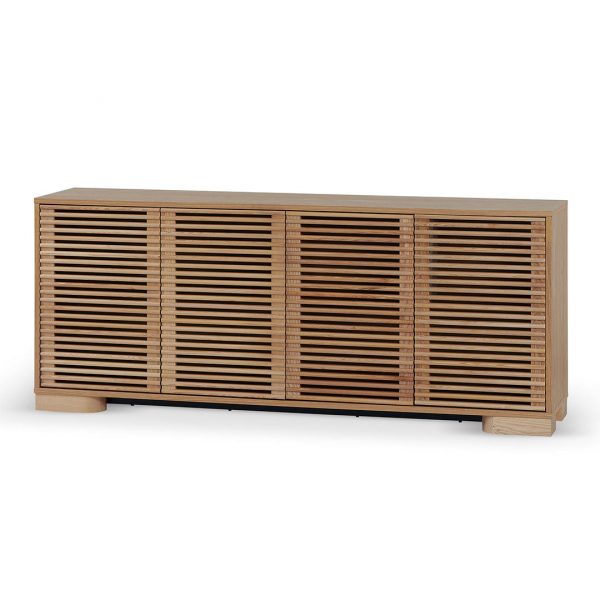

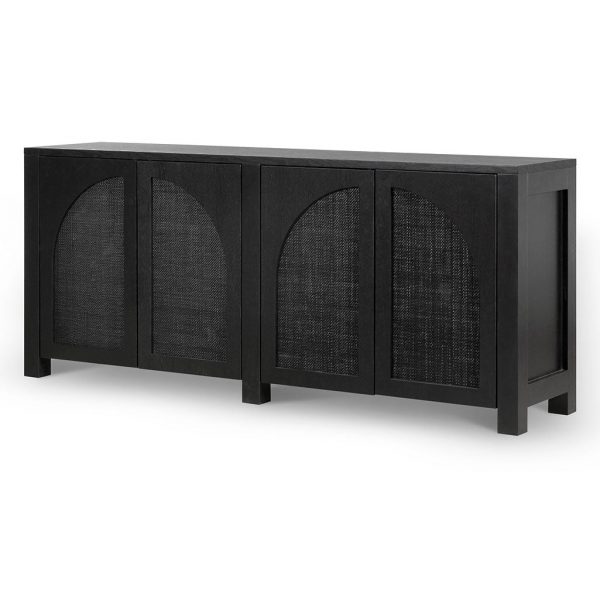
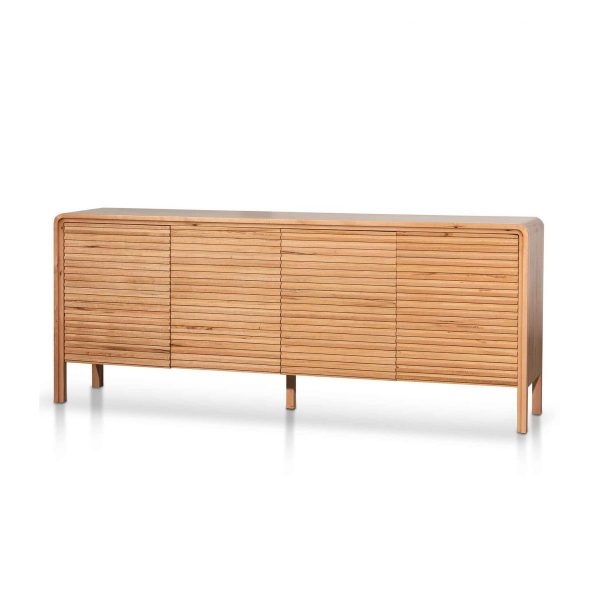
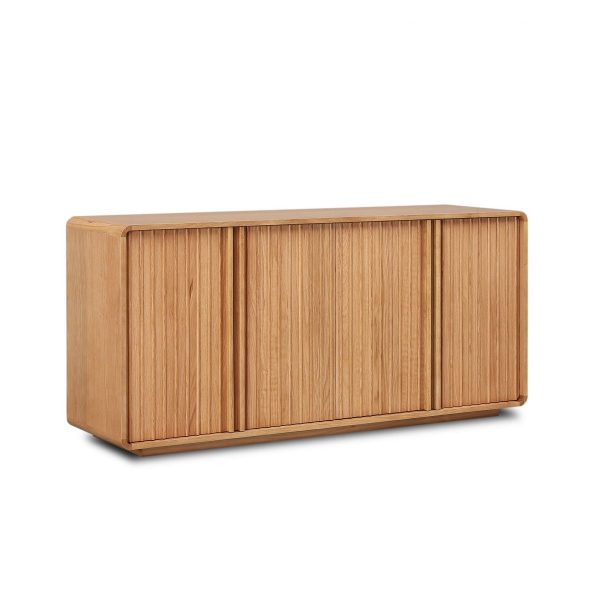
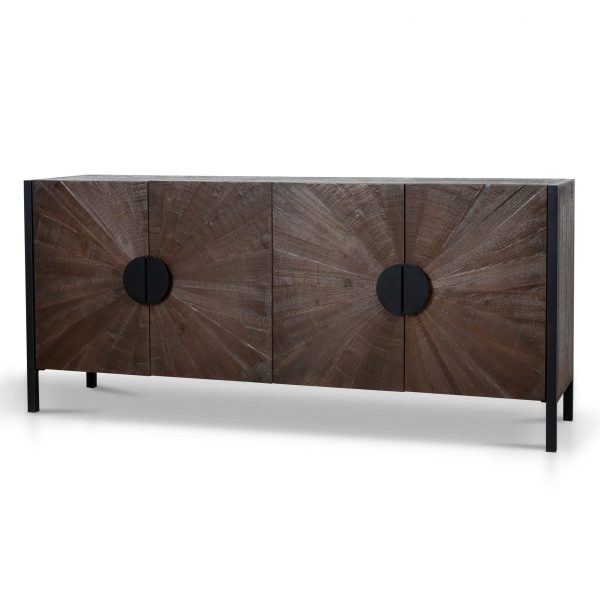
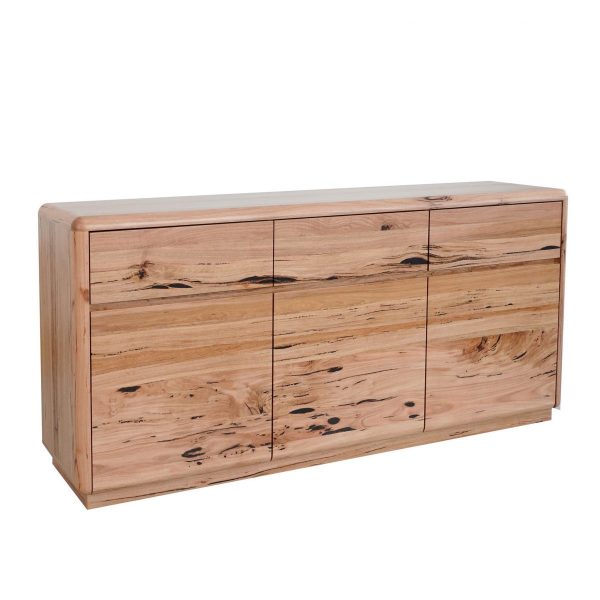
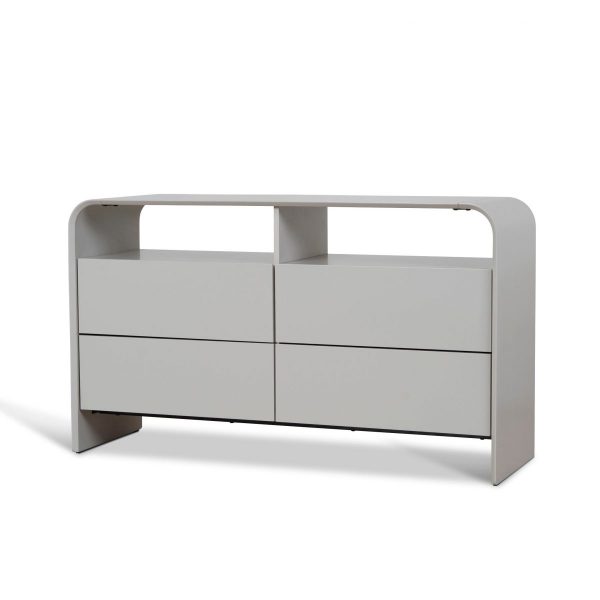
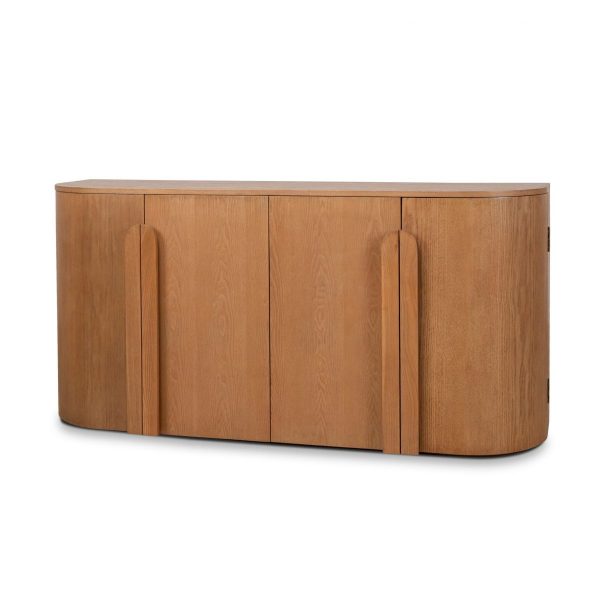
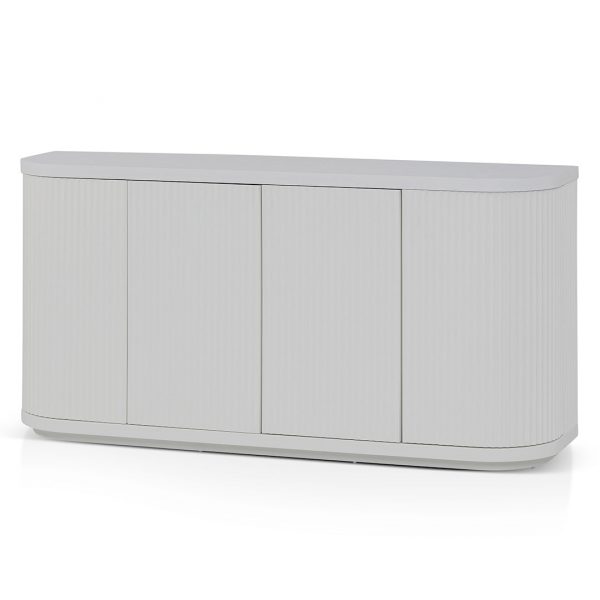

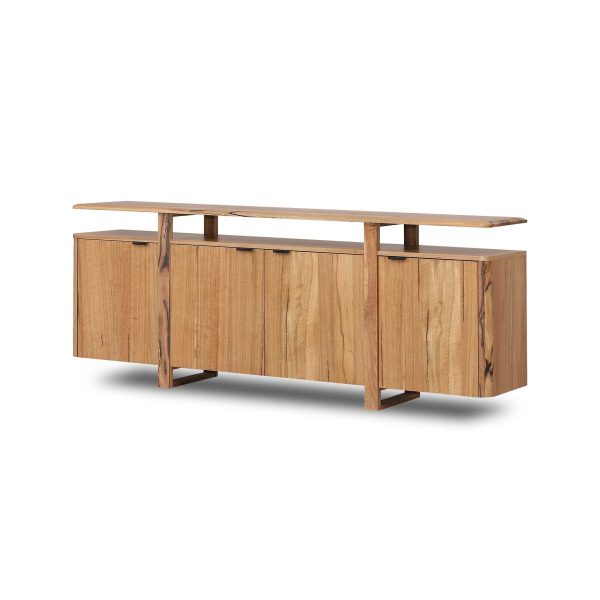
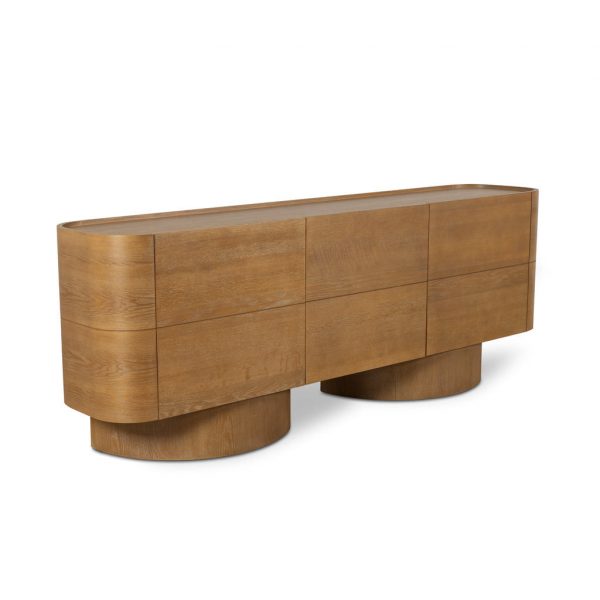

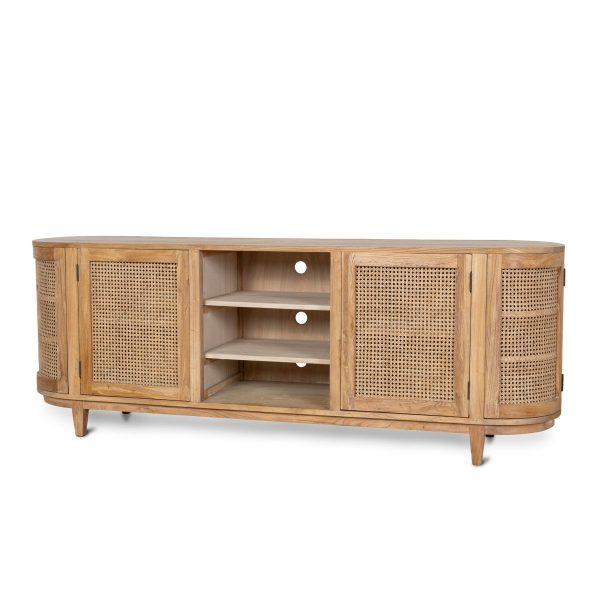
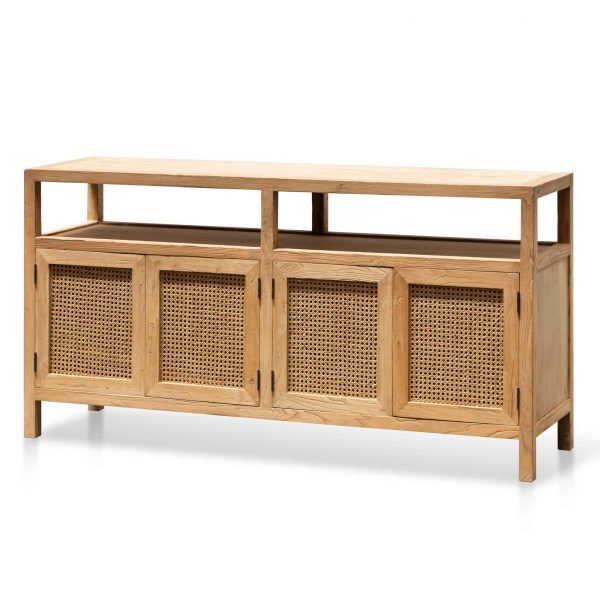
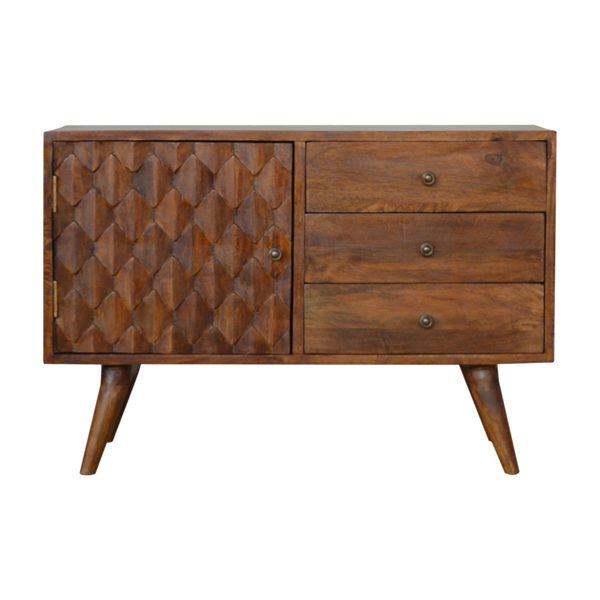
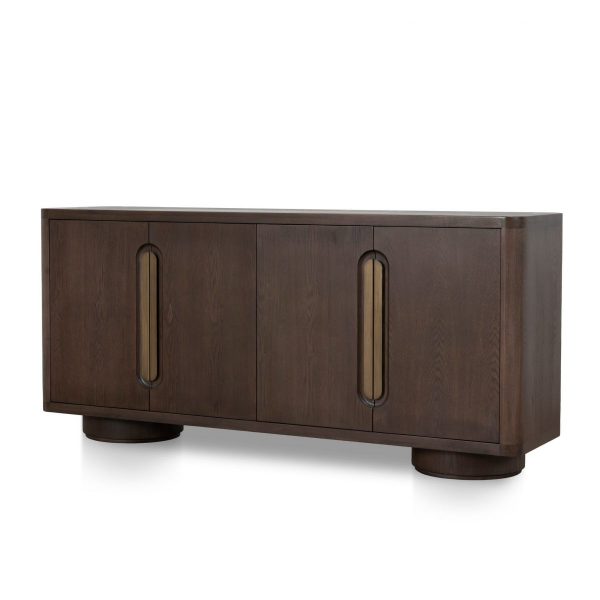
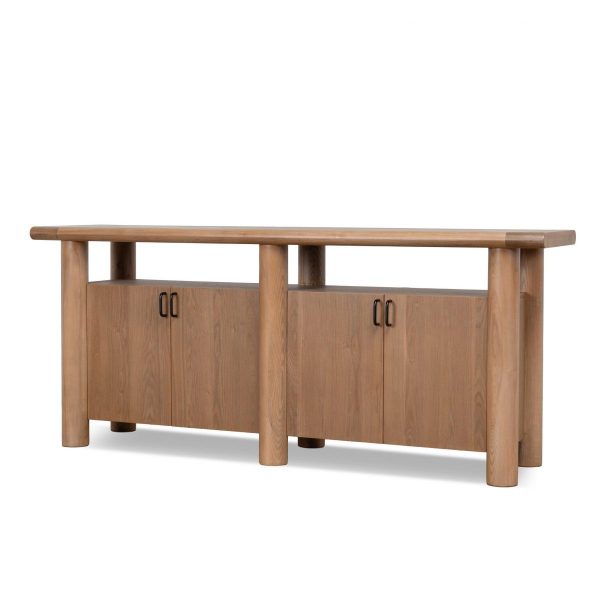
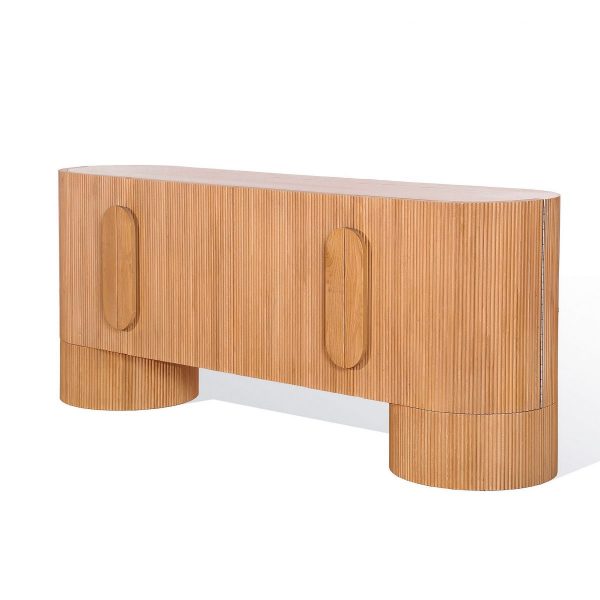
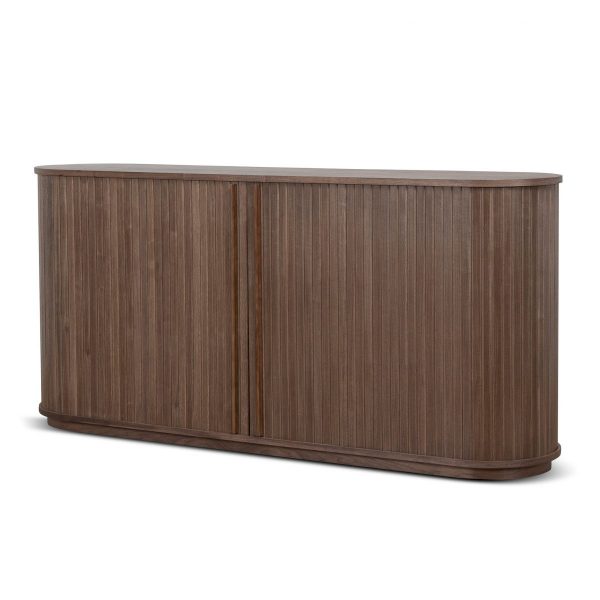
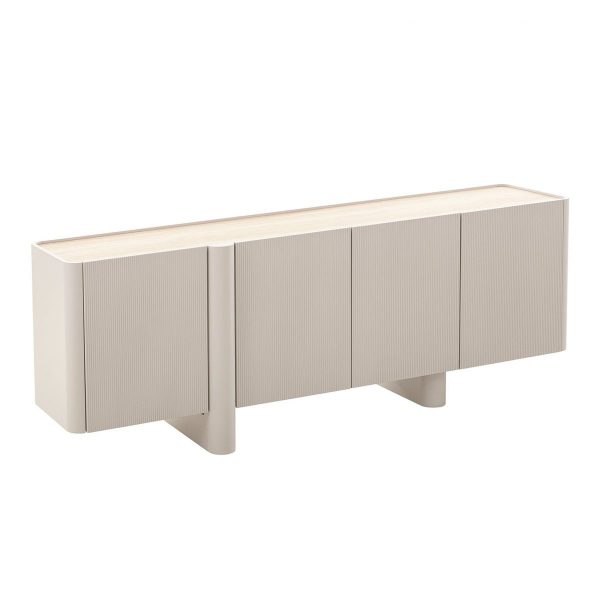
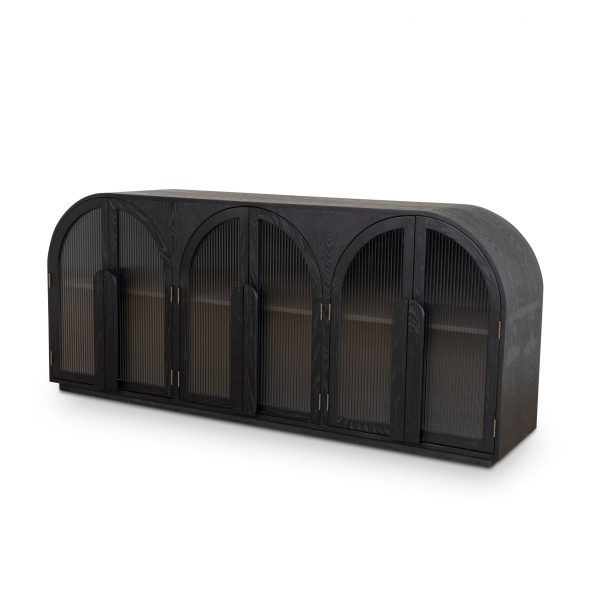

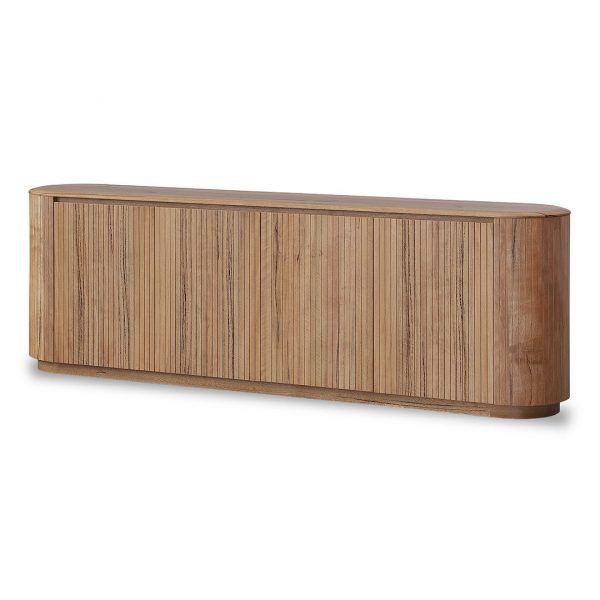
Prioritise the objects that need regular access
Separate the groups used every day from items kept for occasional tasks. Measure them in the way they will be stored, with clearance to lift or remove a piece. A compartment full of rarely used objects can obstruct the useful position needed by regular ones, even where total capacity seems generous.
Decide which contents belong in this cabinet rather than forcing every household item into one lower storage piece. Dining room storage focuses on meal groups, while office sideboards examine work materials. Use the actual room purpose to allocate clear places. Choose capacity that serves retrieval and returning items, not just a maximum quantity concealed behind doors.
Compare the real interior rather than the closed frontage
Read usable internal width, depth and height for the selected configuration. Dividers, hinges and other fittings can change where objects fit. A long cabinet may contain several smaller compartments rather than one continuous area. Compare the arrangement with the planned groups, not an assumed storage volume.
Choose the documented balance of shelves, drawers or other fittings from those objects. A greater feature count is not automatically more useful: extra divisions can change the space left for larger pieces. Check actual adjustment where stated and do not assume supplied organisers. Give each compartment a practical role before choosing a cabinet whose front looks large enough but leaves the important object group without an accessible place.
Make the capacity accessible within the room
Mark the full cabinet with its documented openings and a person retrieving contents. Include nearby furniture in use and any fixed wall limits. Storage that holds the objects is less useful if the door route or drawer travel prevents easy access. Slim sideboards offer another depth comparison where passage space is limited.
Read the top’s task and loading separately from the internal capacity. Follow material care, assembly and installation guidance, including any required securing. Check delivery-component access, then ask benssur about missing usable measurements. Choose the complete storage routine before appearance, so the sideboard gives the right objects useful places without making the rest of the room harder to use.