
Outdoor Dining Tables
Outdoor dining tables need to hold the meal and leave people a comfortable way to sit down. Compare the useful top with your ordinary place settings, glasses and shared dishes, rather than choose a headline seat count alone. The space underneath matters just as much when chairs move in.
Read moreRead less
Picture the table in its actual location with diners seated and the house door in use. An open-looking base or a light finish cannot create extra room around it. Use this guide to compare the dining surface, support and occupied footprint in that order. Browse any listed tables against their real dimensions, or explore outdoor tables if the outdoor surface is intended for a different kind of use.
Showing all 17 resultsSorted by recommended
-
Week’s PickOriginal price was: $1,469.00.$1,219.00Current price is: $1,219.00.
-
-
-
On SaleOriginal price was: $3,101.00.$2,729.00Current price is: $2,729.00.
-
On SaleOriginal price was: $2,059.00.$1,812.00Current price is: $1,812.00.
-
-
-
-
-
-
-
-
-
-
-
-
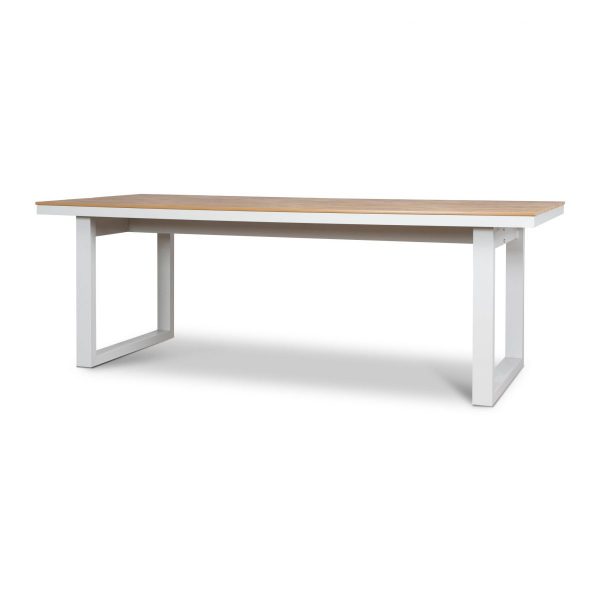

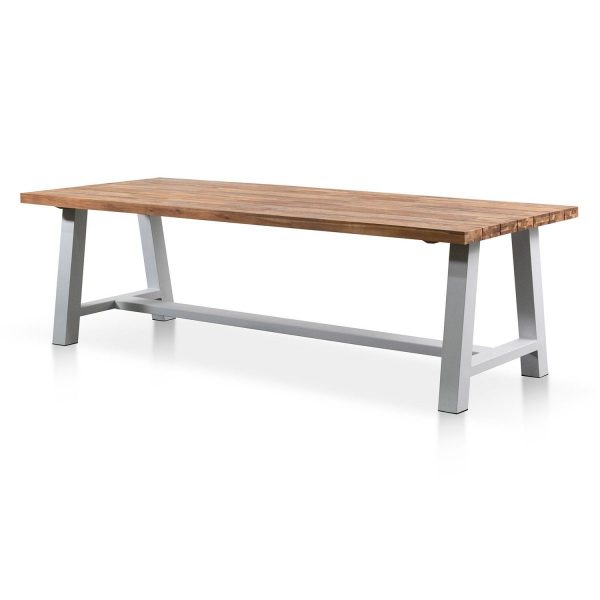
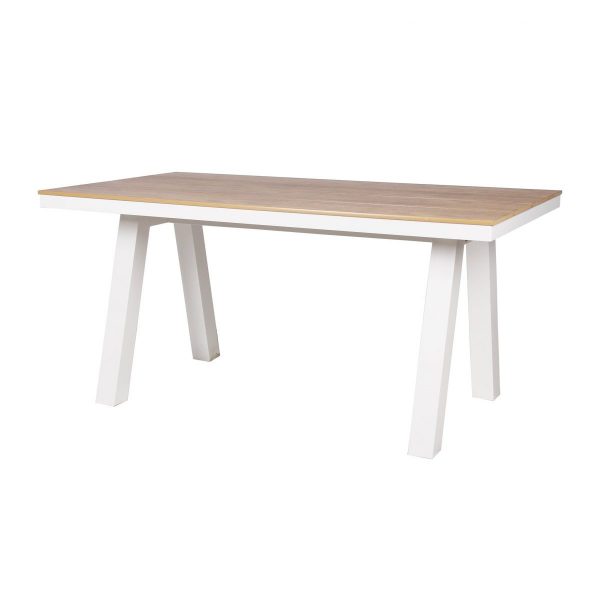
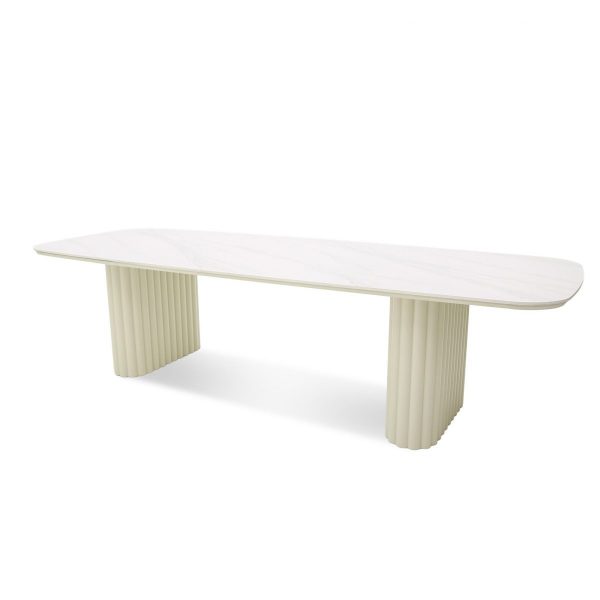
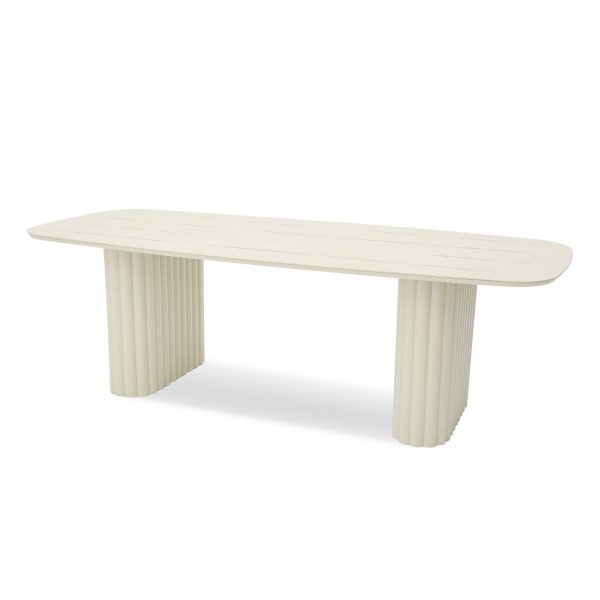

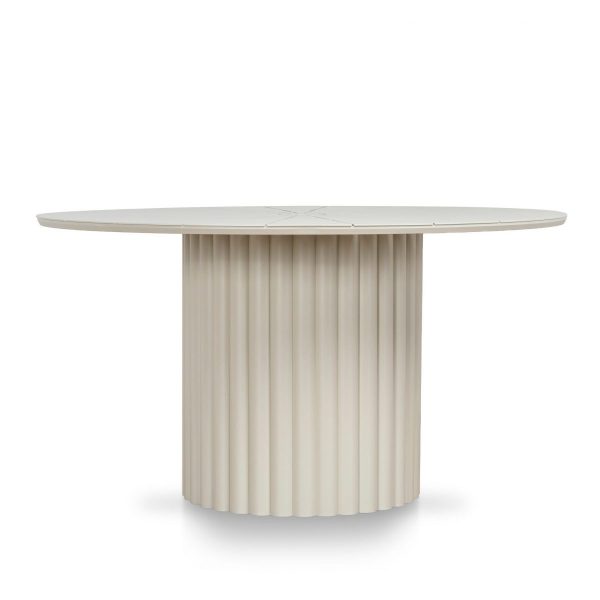
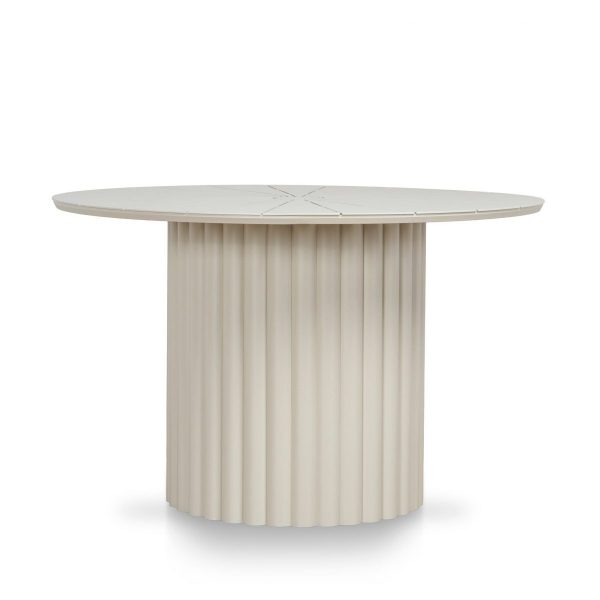
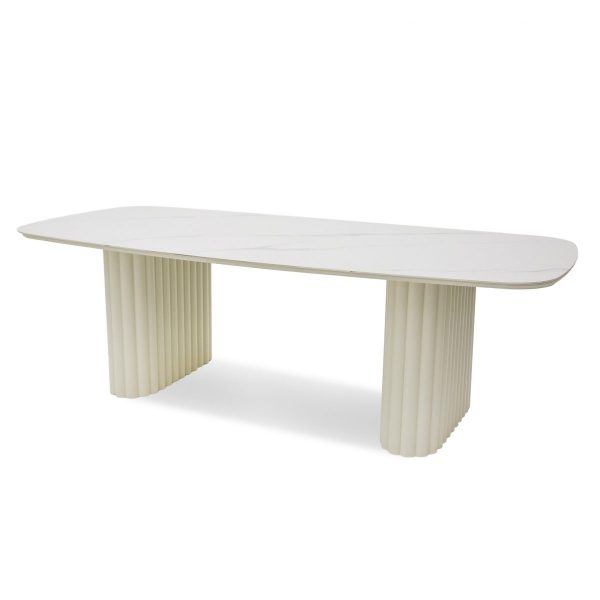
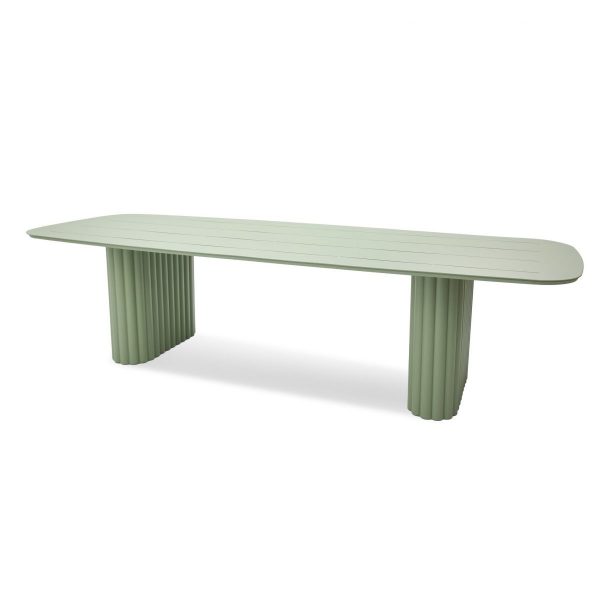
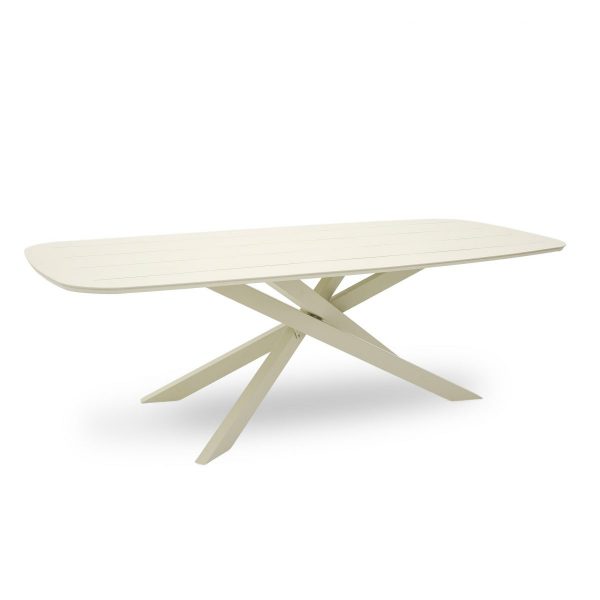
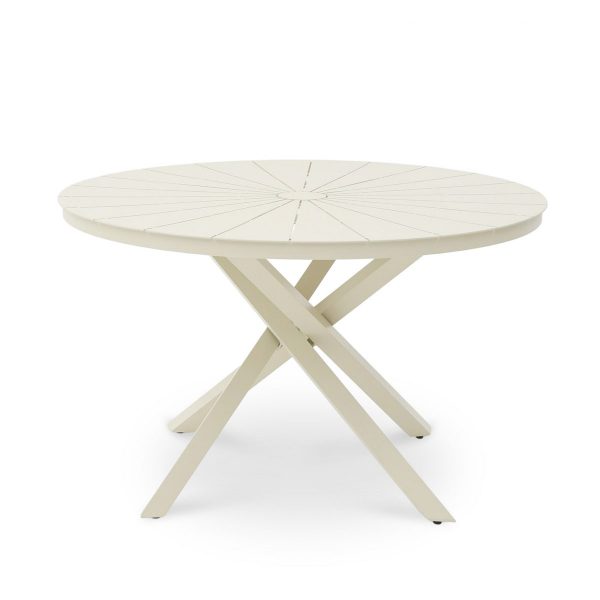

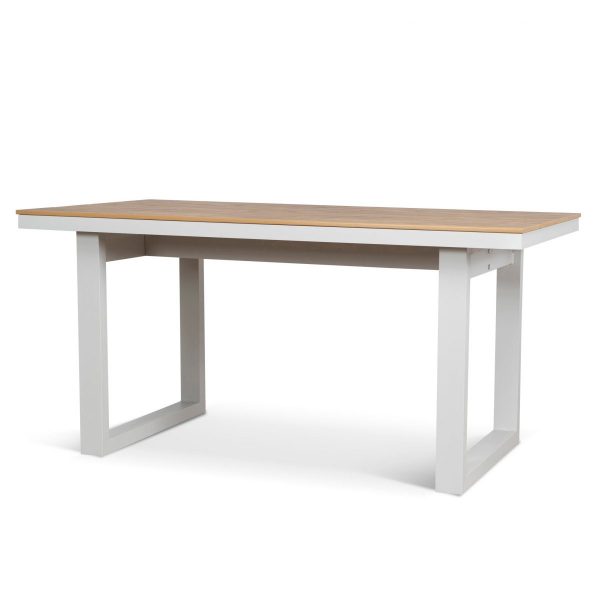

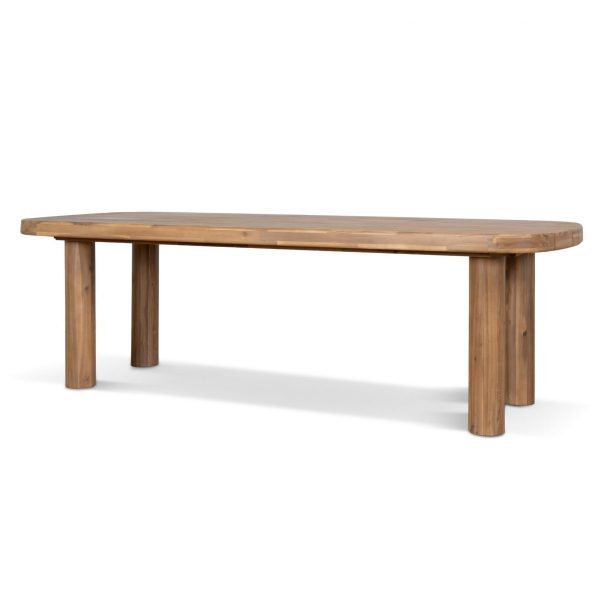
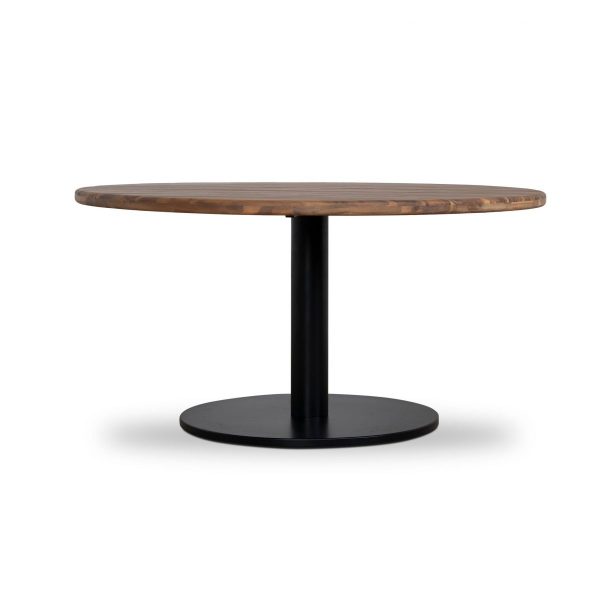
Lay out the meal on the usable top
Use an outline of the actual shape and dimensions. Arrange the places used most days, then leave room for the dishes or drinks shared between them. A larger tabletop helps only if that extra surface belongs to the way people eat.
Rounded corners, narrow ends and decorative profiles can change usable space compared with overall dimensions. For a closer shape decision, compare rectangular outdoor dining tables with round outdoor dining tables. Treat stated seating information as a starting point to assess with your actual chairs and place settings. Do not fill every available edge if it leaves crowded elbows or little room for the meal.
Check supports at every planned seat
Mark the legs or base beneath the tabletop and position the intended chairs. Look at knees, feet and how the chair approaches the edge. A broad top may still have one less convenient seating position because of its support.
Compare chair arms with the underside and confirm whether chairs can tuck in as intended. The pedestal outdoor dining table guide explains the central-base comparison without promising clear space at every seat. Judge each actual structure. Chairs chosen for the patio should provide useful dining positions around that table, rather than fit only in the gaps shown in an unoccupied styled photograph.
Plan the table after chairs are pulled out
Measure the table’s outdoor position with dining chairs moved back for entry. Keep the route from the house and around the meal clear. Include doors, posts and any fixed planter that limits movement even when the area appears open above floor level.
Read the selected table’s materials, exposure limits and finish care for that precise site. If several pieces need to be coordinated, use the outdoor dining furniture guide to plan their combined use. If diners or pulled-out chairs interrupt the door and serving route, reconsider the table’s position, shape or size. Compare the revised occupied layout before choosing the finish, keeping the everyday meal and access to the house practical.