
Pedestal Outdoor Dining Tables
Pedestal outdoor dining tables can move the main support away from the corners, but the base still occupies space below the meal. Choose one by comparing the tabletop and the central support together. A generous top can still have a lower foot or column near the positions people want to use.
Read moreRead less
Start with the chairs and positions you plan to use regularly. Then check how people approach the table, place their feet and move back from it. This guide focuses on those practical differences within the pedestal form. Browse any listed pieces using their actual base dimensions, or compare the wider outdoor dining table guide when considering another support arrangement.
Showing all 7 resultsSorted by recommended
-
On SaleOriginal price was: $3,101.00.$2,729.00Current price is: $2,729.00.
-
On SaleOriginal price was: $2,059.00.$1,812.00Current price is: $1,812.00.
-
-
-
-
-
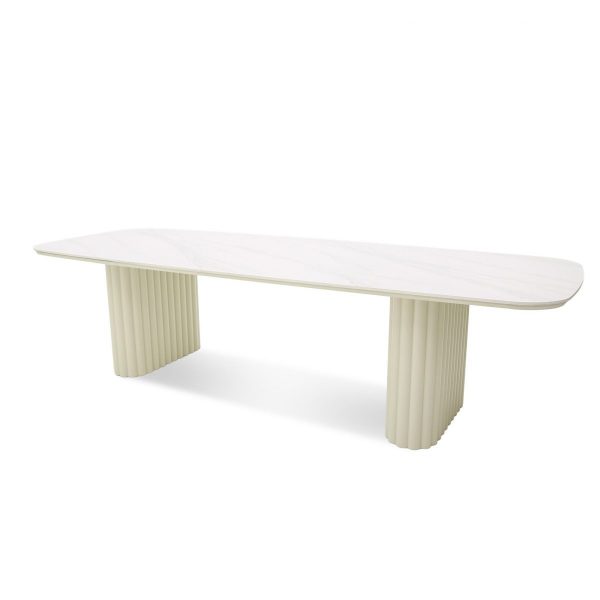

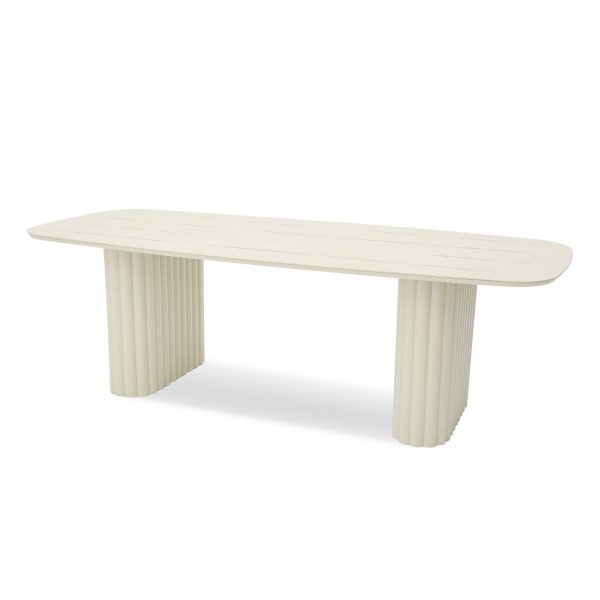
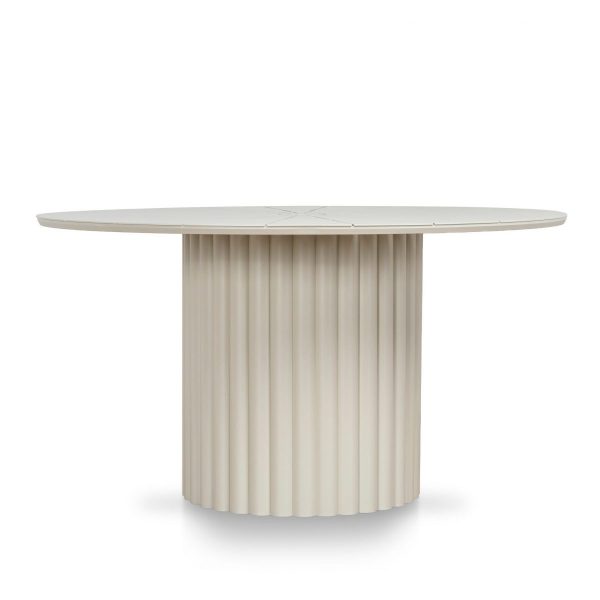
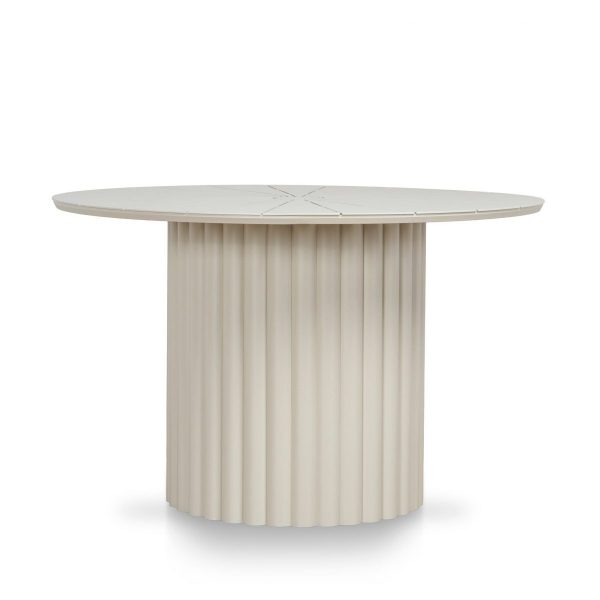
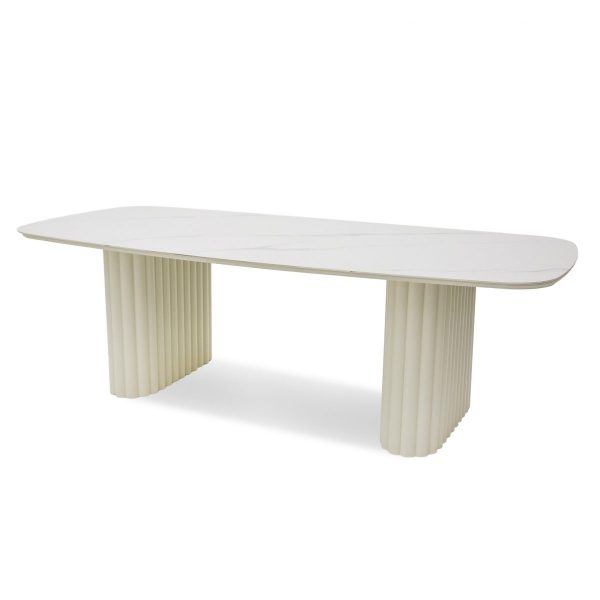
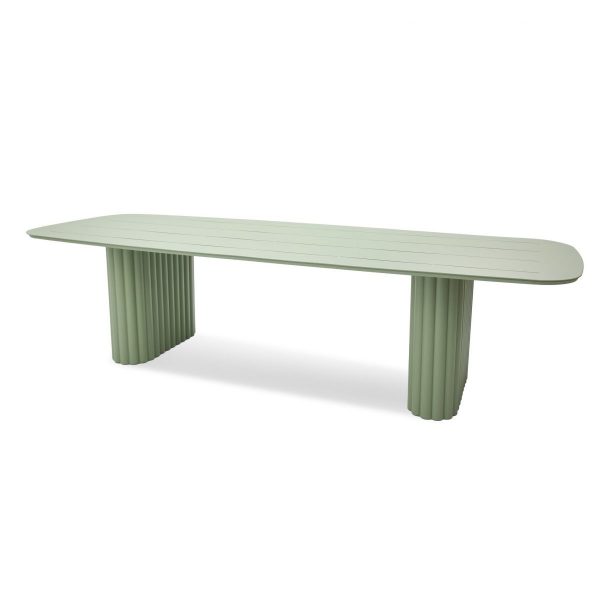
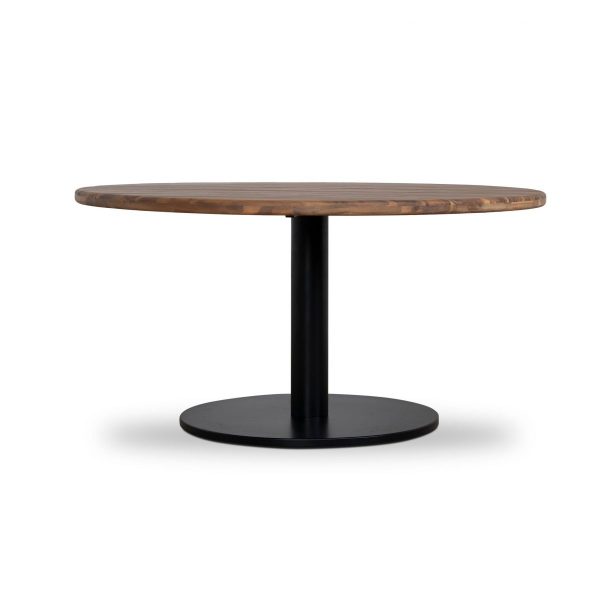
Draw the base as well as the tabletop
Record the central column and its lower footprint from the actual specification. A support can widen near the ground or differ from what is obvious above chair height. Look at both when marking the arrangement outside.
Position each chair around that base, including the places used at the ends or diagonal edges. Feet need somewhere practical to rest, while knees need an unobstructed approach beneath the top. Compare outdoor chairs with real seat dimensions. A central support may make some positions easier than a corner leg arrangement, but this is a comparison of the specific structures rather than a promise that all pedestal seats have more room.
Choose the top shape for the group
A pedestal is a support type, not a tabletop shape. Assess the usable top and ordinary meals separately from the attraction of a central column. Shared dishes still need room between place settings, and chairs occupy space beyond the edge.
Compare round outdoor dining tables if you want places arranged around a circle. Where a longer table is needed, look carefully at how its support relates to the seats on both sides. Do not transfer a favourable legroom result from one pedestal table to another. The actual top, base and chairs determine which positions feel useful in the finished arrangement.
Confirm the outdoor position and instructions
Mark pulled-out chairs around the complete table footprint. Check the route past the meal and the surface where the base will stand. Read the selected item’s assembly and positioning guidance rather than assume the lower shape makes it suitable for an uneven site.
Check exposure and care for the tabletop and support materials individually. The broader outdoor tables category helps compare outdoor use before narrowing the base form. Choose a pedestal when its real seat access and footprint improve your arrangement. Keep the lower foot clear of the approach to each regular chair and check the specified placement on the intended ground. A top that fits the meal is useful only when people can also reach their seats and stand without negotiating around that support.