
Natural Timber Sideboards
Natural timber sideboards make visible wood character part of a long storage front. Start with how the grain runs across the actual doors, top and sides, then compare that area with the room’s floor and larger furniture. The cabinet may become a main material feature even when its objects are stored out of sight. Choose the complete front rather than one attractive detail.
Read moreRead less
Natural appearance does not establish untreated timber or an all-solid construction. Read components and finish separately. Timber sideboards provide the broader wood-construction guide. Oak veneer sideboards narrow a documented wood layer, while buffets and sideboards compare practical storage. Choose grain within a cabinet whose useful compartments and room access work.
Showing 31–34 of 34 resultsSorted by latest


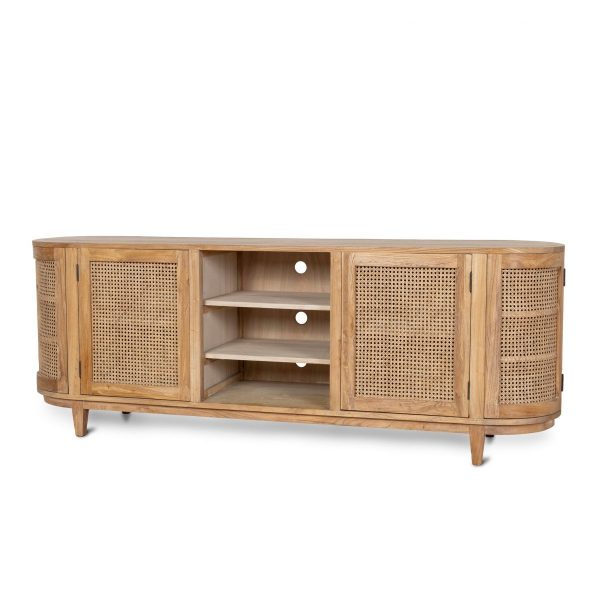

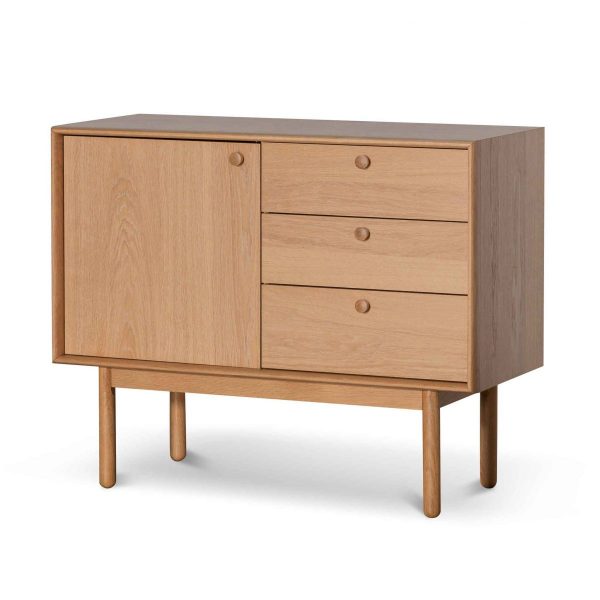

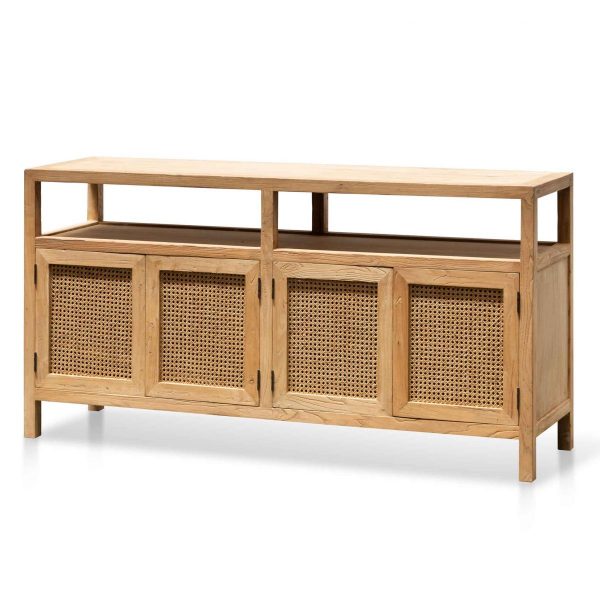

Give the broad wood front a clear role in the room
Review doors together, not as isolated grain samples. Their layout can create a continuous-looking band or separate areas, depending on the actual design. Check the side visible from the doorway and the top beneath display objects. Decide how strongly the wood should lead the wall compared with the floor and dining furniture.
Different timber finishes can relate without an exact match. Compare actual tone and grain scale instead of expecting every natural-looking surface to look alike. Brown sideboards offer a colour-led route where the precise grain is less important. Choose the amount of visible wood with the objects above it so the complete cabinet belongs in the room composition.
Read the natural-looking finish before planning maintenance
Check species and construction for each documented wood component. A grain face does not explain the hidden back, interiors or base. Then read the actual coating: natural appearance may be achieved on a treated surface, so do not assume permission to oil, wax or sand it. Ask about missing information where care affects the purchase.
Give the top’s contact task separate attention. Display objects and temporary household use need guidance for the actual finish and loading. Mango wood sideboards provide a specific material comparison where documented. Choose a surface routine you can follow, rather than selecting natural timber on the assumption that no coating or maintenance decision is involved.
Make the wood cabinet convenient to store and retrieve from
Sort the objects by size and use, then compare usable internal dimensions with their planned groups. Leave clearance to lift out taller or stacked pieces. Read dividers and documented fittings instead of estimating capacity from the wood door arrangement. Sideboards with storage help examine that interior plan.
Mark the full cabinet and actual opening movement in the room, including a person standing at it. Dining room storage brings meal-time chair access into the comparison where relevant. Follow assembly and installation instructions, then ask benssur about uncertain internal measurements or construction. The natural wood character should support a cabinet that makes ordinary storage useful, rather than conceal an awkward layout.