
Natural Timber Decorative Ornaments
Natural timber decorative ornaments bring visible wood character into a smaller room detail. Start beside the furniture that will support them, then look at the larger timber surfaces in the same view. Decide whether an ornament should repeat their warmth or provide a separate grain pattern that you can see clearly.
Read moreRead less
Compare the timber ornament tone, visible faces and applied finish of the particular design. Natural appearance does not tell you that wood is untreated or that every component is solid timber. Browse the ornaments below with your existing furniture in mind. Timber decorative ornaments offer a broader form and finish comparison when showing grain is not your main priority.
Showing all 3 resultsSorted by recommended
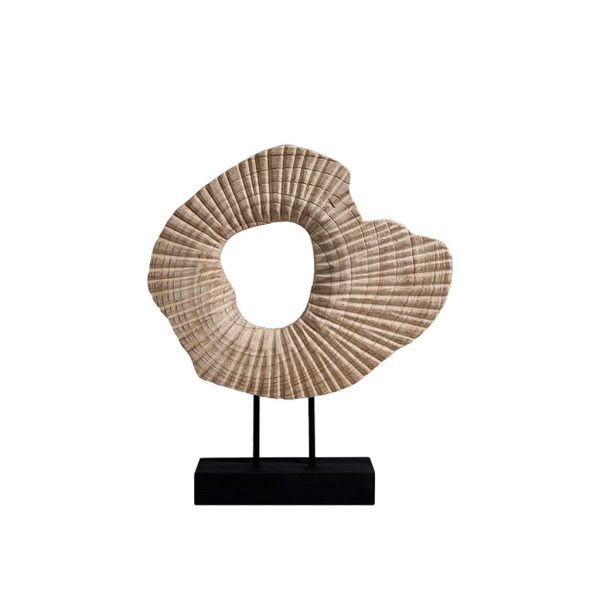

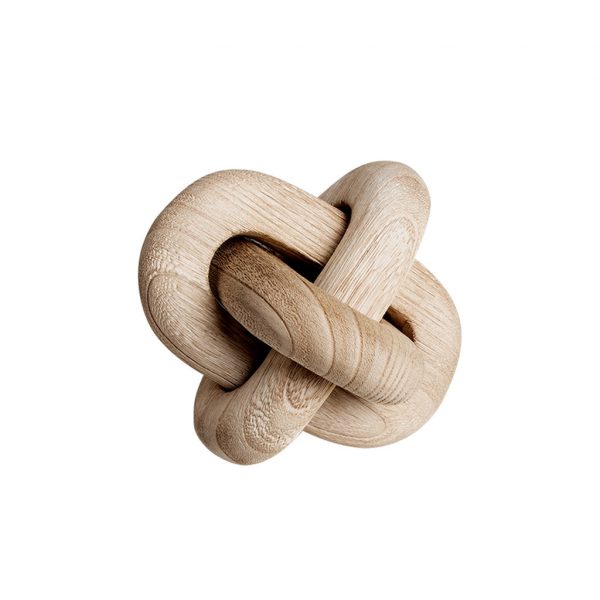
Should the ornament connect with or stand apart from your timber?
Compare the ornament against the supporting top and the larger wood furniture nearby. A similar warmth can connect the display, but an almost-match may show a difference in tint or sheen more clearly than a deliberate contrast. Choose from the actual finishes rather than rely on a shared timber name.
For natural wood display accents, decide how much wood pattern already fills that view. Where the tabletop has a strong grain, a quieter ornament face may give the group more balance. Against a plain painted surface, visible grain can become the main detail. Compare the tone beside lamps and upholstery too, so the small accent belongs to the whole room rather than only one timber piece.
Which faces let the grain become part of the shape?
Look at the ornament from the height where it will be seen. A low-table display may show the top more than the front, while an eye-level shelf can make side and end surfaces important. MELELINA is described as paulownia wood in an intertwined two-ring form with visible grain. Compare how that grain follows the curves and which faces will show in your chosen position.
Wood grain ornaments should be chosen from the visible form, not a single close-up of one face. Read species and variation information where supplied, then decide whether the photographed character suits the surrounding display. Natural timber decorative objects help compare grain across other forms if wood character is your main reason for choosing. Leave enough space to see the faces that drew you to the ornament.
What coating and location suit your everyday display?
Read the selected coating and its care instructions before choosing oils, cleaners or a damp cleaning routine. A clear-looking finish can preserve visible grain while still being a coating. Check the actual underside and any protective detail where the ornament meets the furniture.
Wood exchanges moisture with its surroundings, so place the accent according to its guidance rather than assume a natural look makes it suitable beside water or repeated damp contact. If placing the accent near a vase, leave enough access to refill or move the container without wetting the wood. Measure the full outline within the display and allow access to nearby items. Bookshelf decor helps keep a wood accent visible while leaving the books easy to reach.
Frequently Asked Questions
Explore sculptures and decorative objects when you want to compare wood character with a different focal material.