
Timber Decorative Ornaments
Timber decorative ornaments bring different wood and wood-look forms into a display. Read the actual material: some pieces are timber, while others in this collection describe wood-effect resin. Begin with the form you need in the display: a contained accent, a taller outline or a piece that repeats a shape elsewhere in the room. Then read which parts are timber and how the finished surface is described.
Read moreRead less
Compare wooden display ornaments with the objects you plan to keep, leaving enough space for their individual outlines. Painted, tinted and visible-grain designs should be assessed from the particular product information. Browse below, or compare natural timber ornaments when visible grain is your priority. Check the complete footprint and contact with the furniture before deciding where a wood accent belongs.
Showing all 8 resultsSorted by recommended
-
On SaleOriginal price was: $99.00.$82.00Current price is: $82.00.
-
On SaleOriginal price was: $124.00.$103.00Current price is: $103.00.
-
-
-
-
-
-

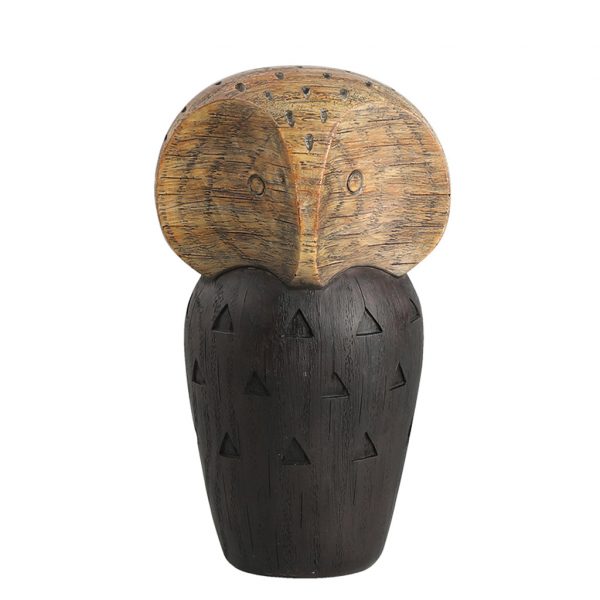


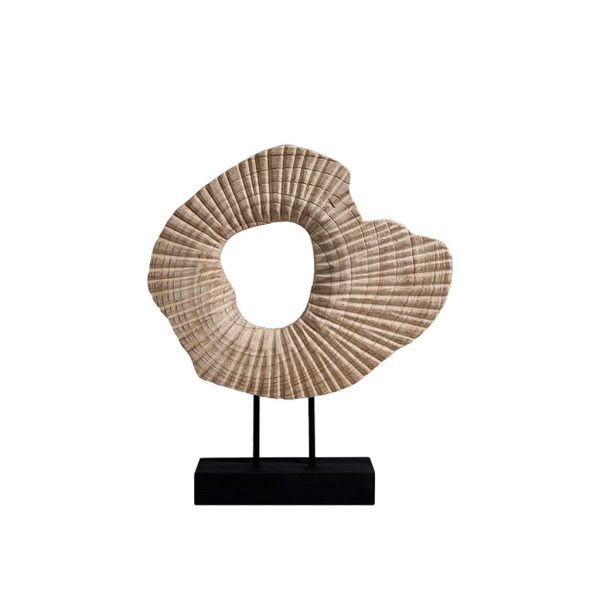
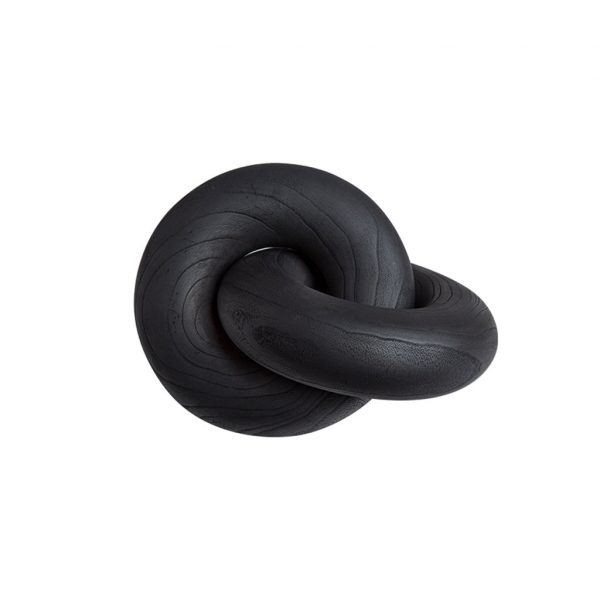

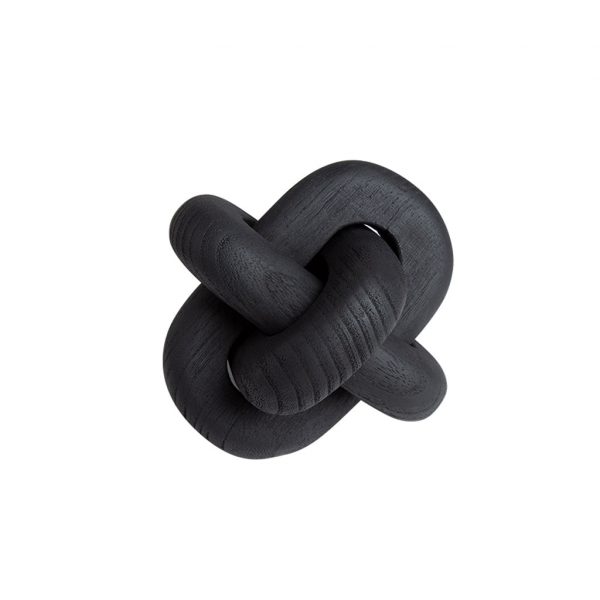
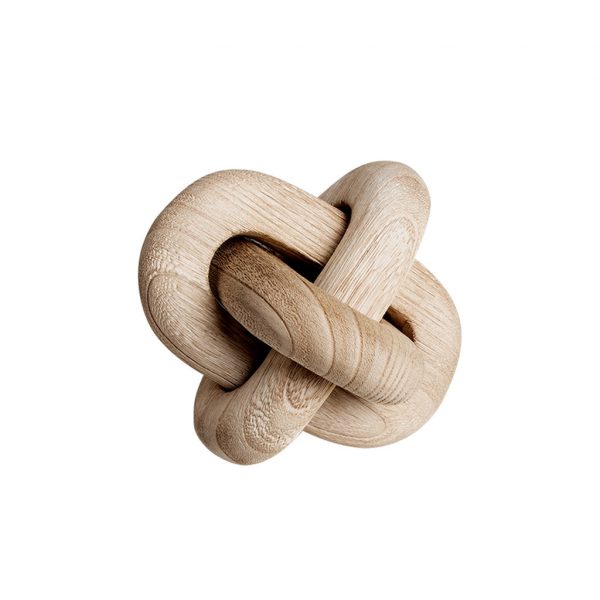
Which parts of the ornament use timber?
Read the construction for the main shape, base and any separate detail. RELARI and OROLORA describe resin with a wood-like appearance, while FENAVI is described as three solid-wood modular arches. These are different material choices, even when the display shapes relate. Solid timber, veneer and other stated wood construction are different descriptions; a painted or grained photograph cannot explain them by itself. Keep metal, stone or other listed components in the comparison if the design combines materials.
Look at how the form is assembled where that information is supplied. A joined detail or separate base can affect how you hold the ornament and which areas need their own care. Ask about an unclear component if wood construction is central to your choice. Timber decorative objects provide a wider shape comparison while keeping those individual construction details important.
Do the silhouette and finish give the group a clear role?
Compare the whole outline with nearby books, frames and lamps before focusing on the wood ornament finish. A repeated curve or straight edge can connect different objects, while a change in height can give a flat arrangement more interest. Avoid crowding several distinctive outlines into the same small gap.
For timber shelf accents, compare the actual painted, coated or visible-grain surface with the shelf and background. A deeper tone may define an outline on a pale wall; a related tone can make the shape quieter. Use shelf decor to plan the full grouping. The ornament can relate through form even when its finish differs from the larger timber furniture nearby.
Can the wood accent sit and move without awkward contact?
Measure the ornament’s complete base and projecting parts against its support. Read any listed pads or protective details, then compare the furniture’s finish guidance. Plan how to lift the main body if the piece must move for shelf access, especially where separate or joined details are present.
Follow care for the actual wood coating and any other components. Do not choose a polishing or oiling routine simply because the ornament contains timber. For actual wood components, surrounding moisture matters; wood-look resin needs its own care. Use either with water only when the individual product confirms that task. Keep room around the accent to reach books or dust the surface. A clear lifting path is more useful than an arrangement that requires sliding the ornament across the furniture.
Frequently Asked Questions
The sculpture and decorative object category helps compare a timber accent with forms made in other materials.