
Mesh Office Chairs
Mesh office chairs should be selected through the working position they can actually provide. Start with usable seat dimensions, the support behind the mesh and the controls supplied by the selected model. A mesh surface may be the material you prefer, but it does not establish a suitable height range, adjustable back or other desk function. Keep those requirements visible before judging appearance.
Read moreRead less
Use this collection to check mesh within your complete workstation. Mesh chairs compare the material coverage and supporting frame more closely. Office chairs provide the wider work-seat guide. Ergonomic chairs focus on documented user adjustments when those features are central to the purchase. Choose the actual seat and controls for the person and task.
Showing all 6 resultsSorted by recommended
-
On SaleOriginal price was: $339.00.$298.00Current price is: $298.00.
-
-
-
-
-
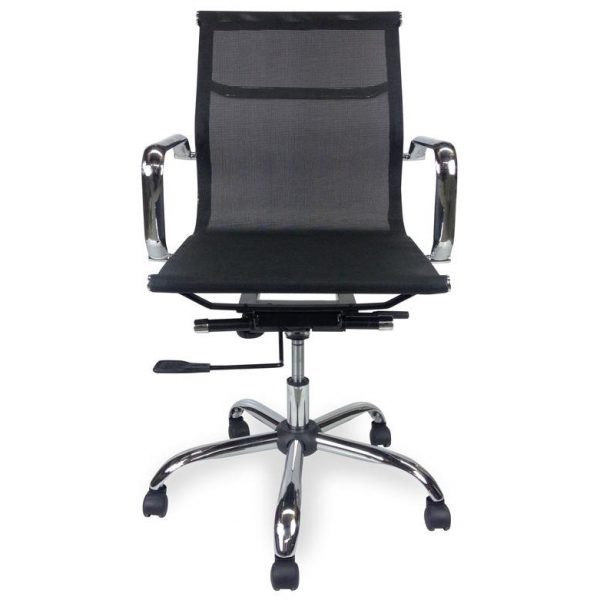

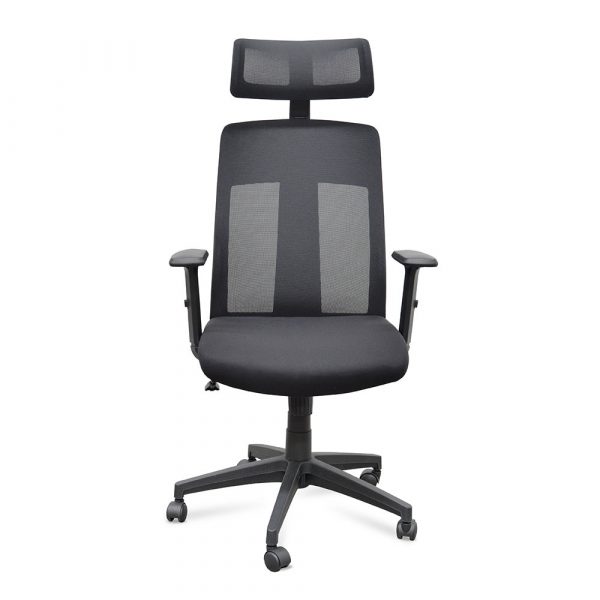
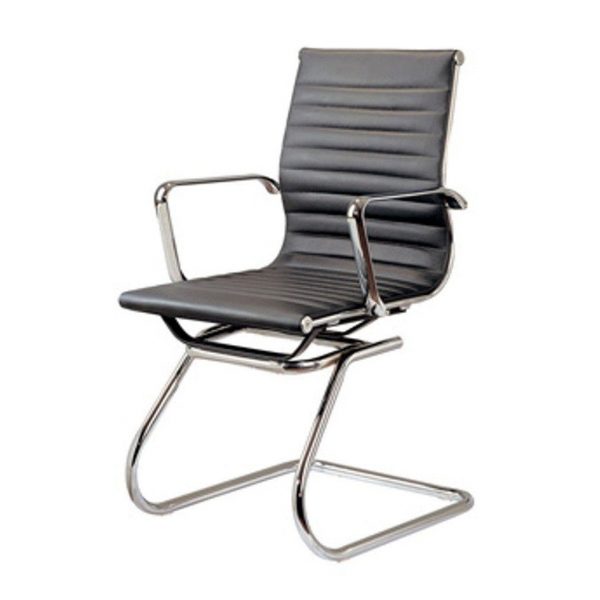
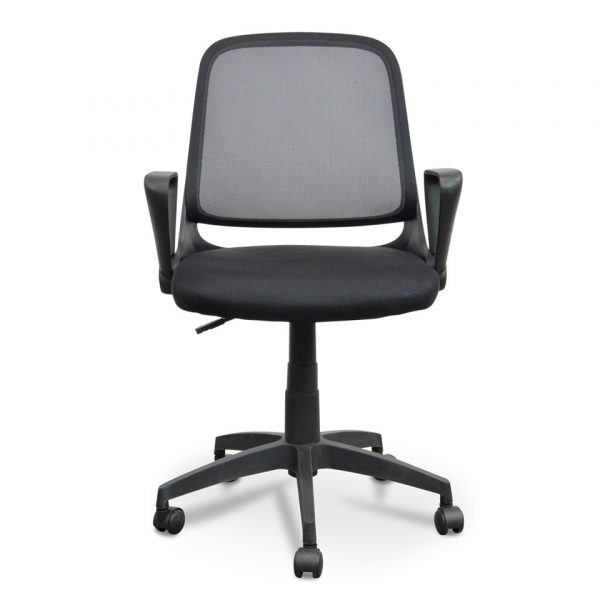
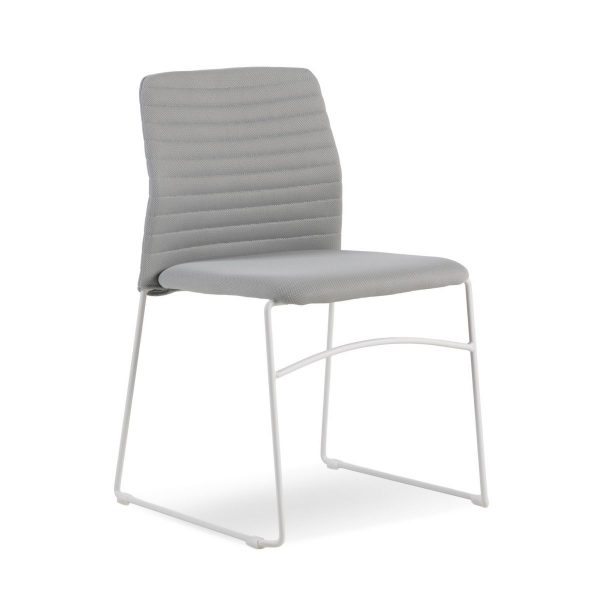
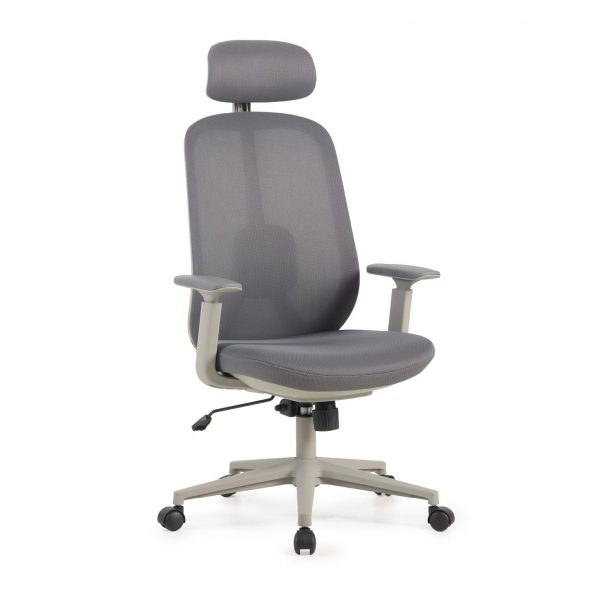
Check the working position inside the mesh frame
Read usable seat height, depth and width with the actual back arrangement. A broad outer body is not the same as supported sitting space. Compare the contact zone with the person and desk opening, including room beneath the surface. The material preference should sit within those real measurements.
Check which components use mesh and which have another covering. Do not assume an all-mesh seat from a back-panel image. Fabric office chairs offer another contact arrangement if upholstery suits the routine better. Choose the complete supported position rather than comparing one mesh word or an empty photograph as though it describes every user’s fit.
Read the adjustment functions one by one
List the controls essential to the task and find their actual ranges. Seat-height change, back movement, arm adjustment where supplied and another mechanism are separate features. A mesh chair need not supply all of them. Ask about information missing from the specification instead of assigning controls by appearance.
If more than one person uses the chair, compare the required settings for each and how changes are made. Height adjustable office chairs focus on one range, while swivel office chairs narrow turning. Follow the actual operating instructions and do not infer unrestricted movement or a particular support arrangement from the mesh surface alone.
Fit the complete chair and care routine into the workspace
Plot the full base and body at the desk in use and while parked. Check approach, standing space and actual arm clearance where supplied. Read floor guidance for any castors or another moving base. A visually open back still belongs to a chair occupying its real assembled footprint.
Follow care for the actual mesh, frame and other coverings separately. Confirm assembly, intended setting and supplied parts, with delivery access checked for the largest component. Desks provide a related surface guide if the workstation is changing. Ask benssur about an unclear adjustment or dimension. Compare the actual mesh contact zone, desk clearance and controls before choosing.