
Swivel Office Chairs
Swivel office chairs are for work routines where changing seated direction is useful. Begin with the tasks: turning from the main desk to a nearby surface or another activity should have a clear purpose. Then read the actual rotation range and operating guidance. Swivel does not establish castors, height adjustment or a particular tilt, so those features need separate confirmation.
Read moreRead less
Use this collection to compare turning with the complete desk arrangement. Check the sweep of the body, back and any arms, rather than measuring the base alone. Office chairs provide the wider fitting guide. Height adjustable office chairs focus on a different mechanism when seat level is the main need. Choose movement for real tasks within a usable workspace.
Showing all 4 resultsSorted by recommended
-
On SaleOriginal price was: $633.00.$557.00Current price is: $557.00.
-
-
-
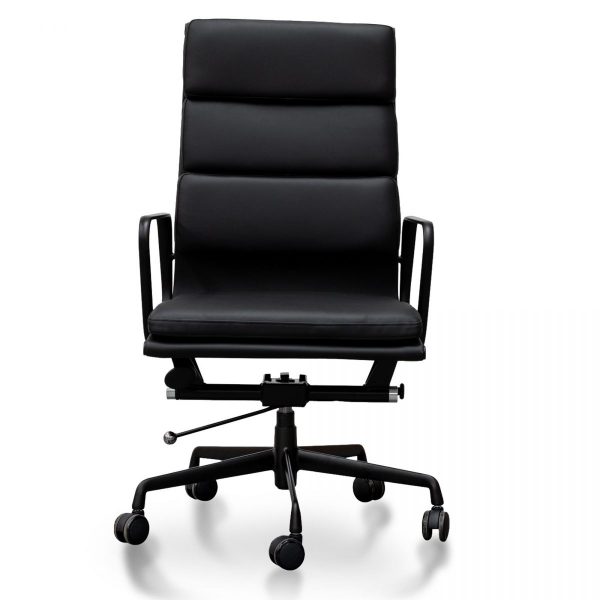

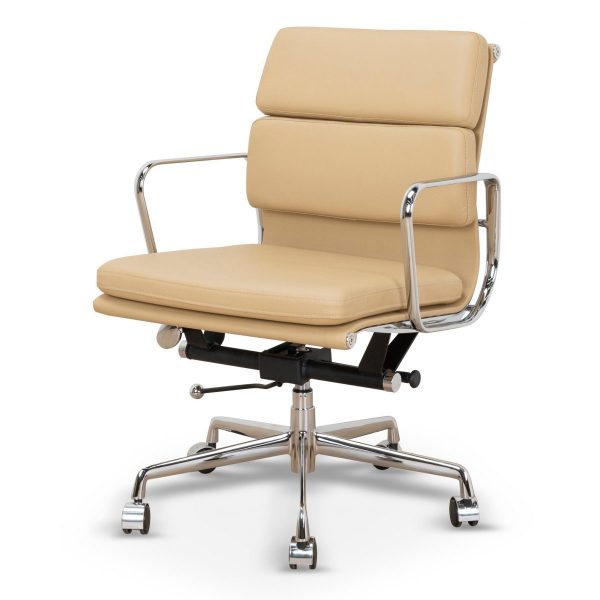
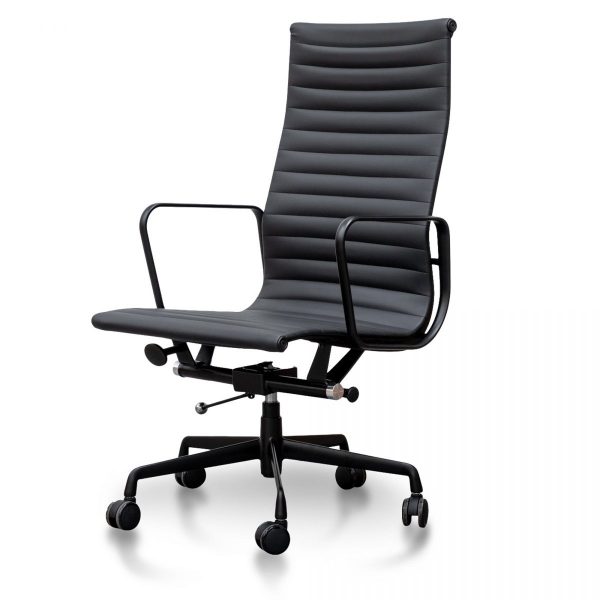
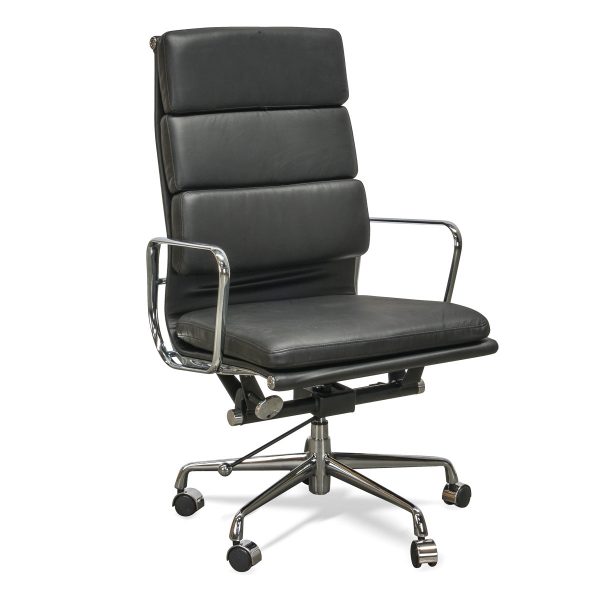
Choose the directions the seated routine needs
Map the main work surface and any nearby task you turn towards. Compare the actual mechanism with those positions. Do not assume unrestricted rotation or a particular return behaviour from the swivel label. The selected chair should explain the movement supplied and its limits.
Check the seating position and controls required for the main task before adding the turning feature. Ergonomic chairs offer a broader adjustment-and-user-fit comparison where needed. Swivel should support a practical routine, rather than compensate for a desk setup that remains awkward or encourage reaching equipment placed outside convenient access. Use the real room and product information to choose the movement.
Plot the moving body against the desk and other furniture
Check where the back and arms if supplied travel while the chair turns. Their outline may extend beyond a compact-looking base. Include clearance from desk supports, walls and nearby storage, then preserve the space used to stand. A parked footprint does not describe the whole movement envelope.
If castors are supplied, read their actual floor and operation guidance separately. Turning and rolling are not the same feature. Desks provide a related surface comparison if clearance or support placement affects the plan. Choose the complete chair movement within the workspace instead of assuming the smallest base means the least room required.
Read mechanism care and contact materials independently
Follow the actual swivel instructions for operation, assembly and maintenance. Do not force or adjust a mechanism beyond the product guidance. Ask about missing details where repeated turning is essential to the routine. Check handling when the chair is moved, rather than borrowing instructions from a different office model.
Read coverings and frame care for ordinary contact. Fabric office chairs or mesh office chairs narrow a surface preference after the movement works. Confirm intended setting and supplied components, then ask benssur about unclear rotation or clearance. The turning feature should belong to a chair chosen for actual user fit and practical desk access.