
Ergonomic Chairs
Ergonomic chairs should be chosen through the user, task and workstation together. Begin with the adjustments you actually need, then read the range supplied by the selected chair. A label or shaped back does not establish that it fits your height, desk or way of working. Compare the usable seat and support with your own setup rather than expecting one chair to suit every person.
Read moreRead less
Use this collection to make that fit decision through documented features. Check seat-height range, back arrangement and any other controls separately. Office chairs provide the wider work-seat guide. Height adjustable office chairs narrow one function, while home office chairs consider a workspace within the home. Choose adjustments that serve the actual person and task.
Showing all 4 resultsSorted by recommended
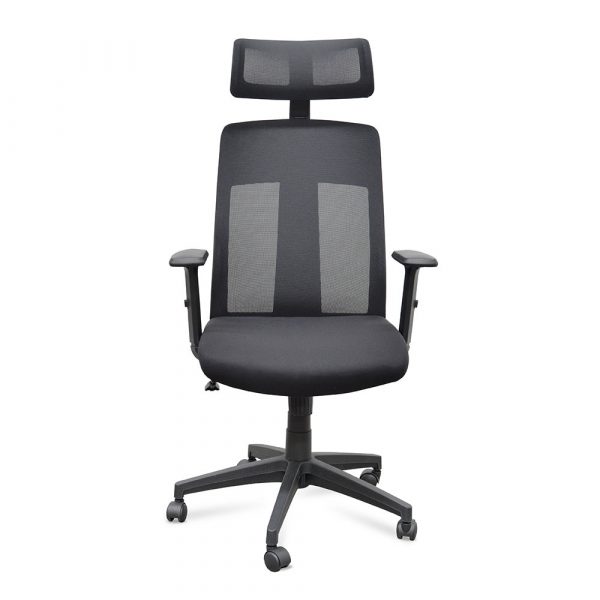

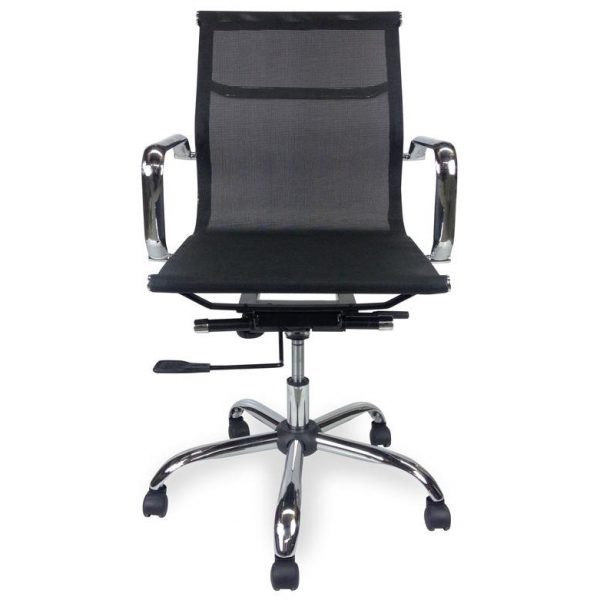
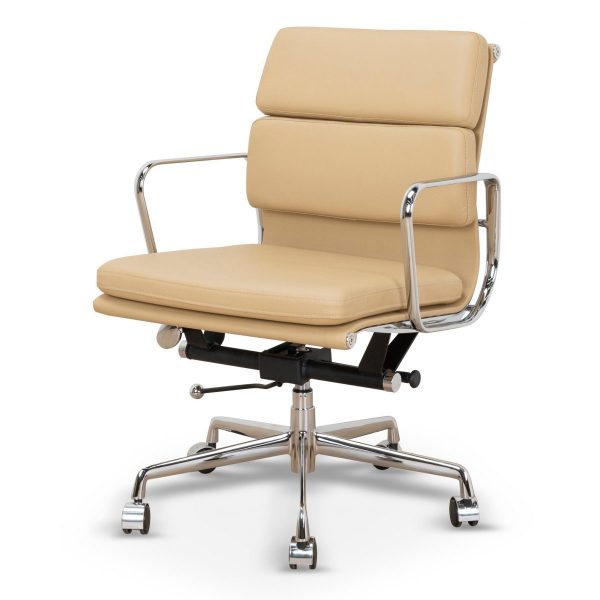
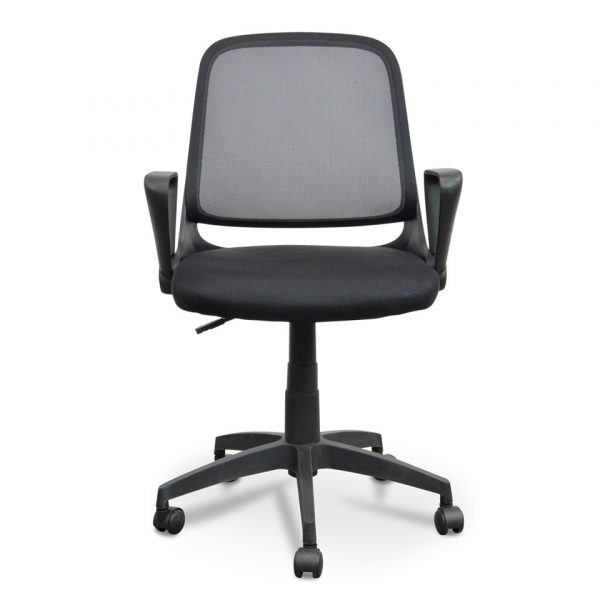
Check support and adjustment range for your workstation
General workstation guidance calls for a supported sitting position, useful back support and foot support, with room for legs to move. Compare the selected chair with the actual desk and user rather than copying another person’s settings. If feet cannot reach the floor at a workable desk position, assess appropriate foot support as part of the whole setup.
Read usable seat depth and height range, then check the back arrangement and any arm controls. The adjustment needs to reach the settings required, not merely exist in name. Ask about missing limits before ordering. Use the actual ranges to judge whether you can reach the sitting position your workstation requires; ask for help with the setup if the fit remains unclear.
Choose controls that can be used in the real working routine
List the functions you need to change, especially if the chair is shared. Read how the selected controls operate and whether the ranges suit each user. A lever photograph does not establish what it adjusts. Follow the manufacturer’s instructions instead of forcing movement or assuming another chair uses the same mechanism.
Keep material and back type separate from function. Mesh office chairs may offer another surface direction, but mesh does not prove adjustable support. Swivel office chairs focus on turning rather than the whole set of ergonomic needs. Compare features one by one so the chosen chair can actually be set up for its intended task.
Keep the whole work area within the fit decision
Check desk approach, space beneath the surface and equipment position with the chair in use. Plot the full base and body, then preserve the route used to stand and leave. A chair selected for adjustment still needs a practical place within the room. Desks offer a related comparison if the working surface is also changing.
Read contact care, intended setting and supplied components, then confirm assembly and delivery access. Check the working surface, equipment reach and chair together when comparing the setup. Ask benssur about an unclear adjustment or measurement before choosing. Use the actual user and task requirements to decide which documented controls and support are useful.