
Mesh Chairs
Mesh chairs should be compared through where the mesh appears and how the actual surface is supported. A mesh back with another seat material is a different contact arrangement from documented mesh across both areas. Look at the frame around it as well. The material label does not describe tension, usable space or every adjustment supplied by the chair.
Read moreRead less
Use this collection to decide whether that construction suits your sitting routine before choosing colour. Read actual components and care rather than assigning one universal comfort or cooling effect to mesh. Office chairs provide the wider work-seat guide. Mesh office chairs offer a closer desk-and-controls comparison after the material decision. Fabric office chairs provide another contact-surface direction.
Showing all 6 resultsSorted by recommended
-
On SaleOriginal price was: $339.00.$298.00Current price is: $298.00.
-
-
-
-
-
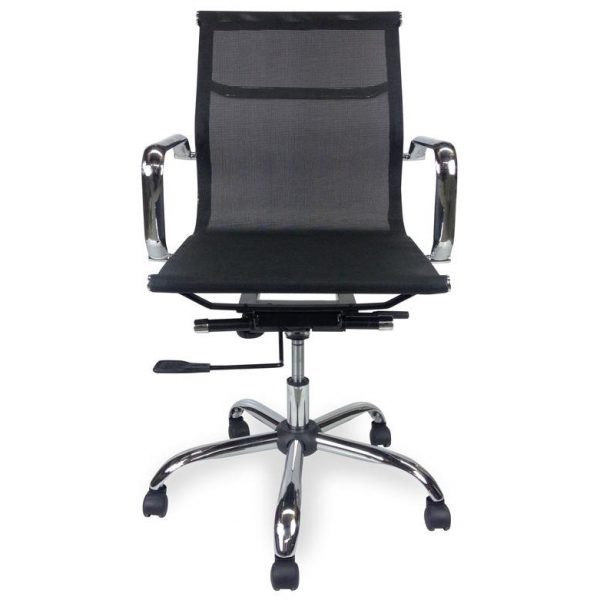

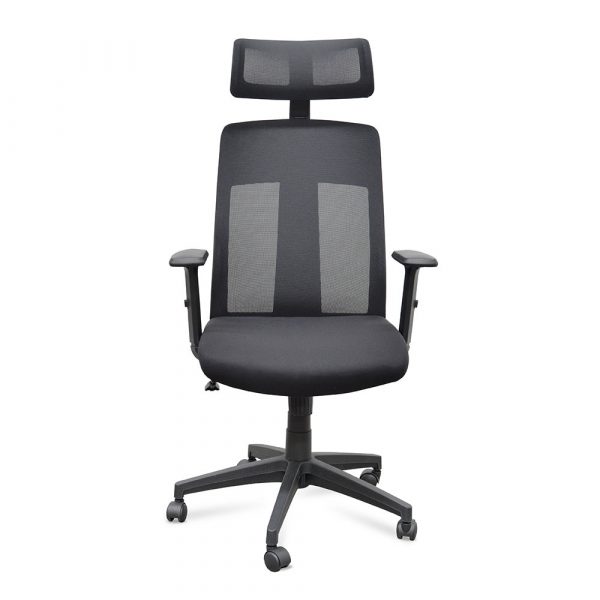
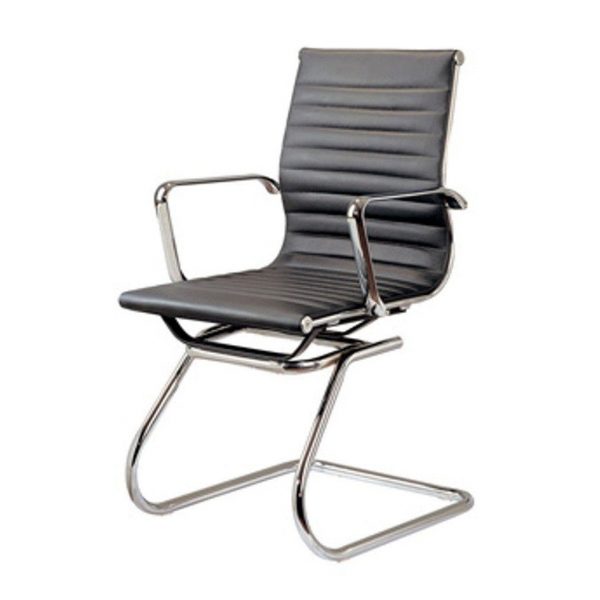
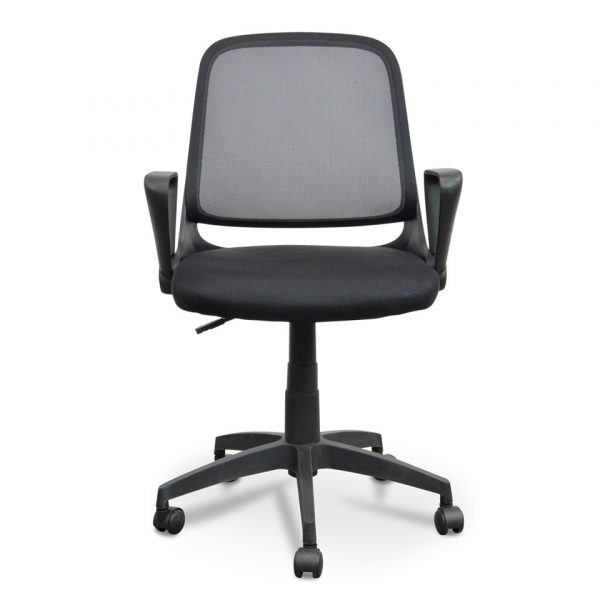
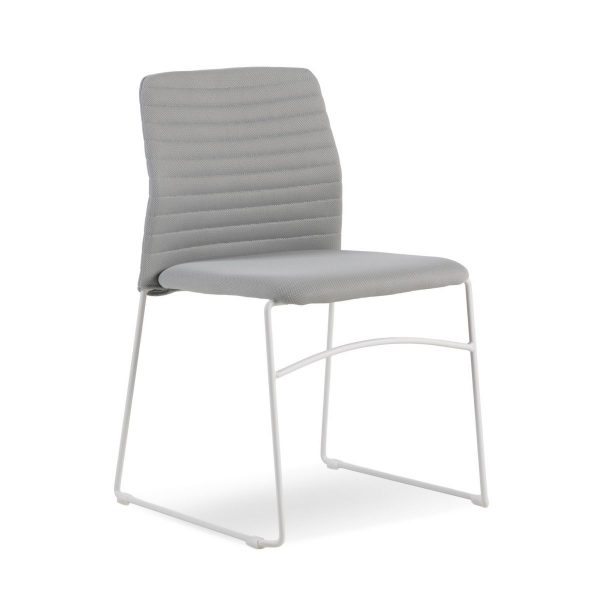
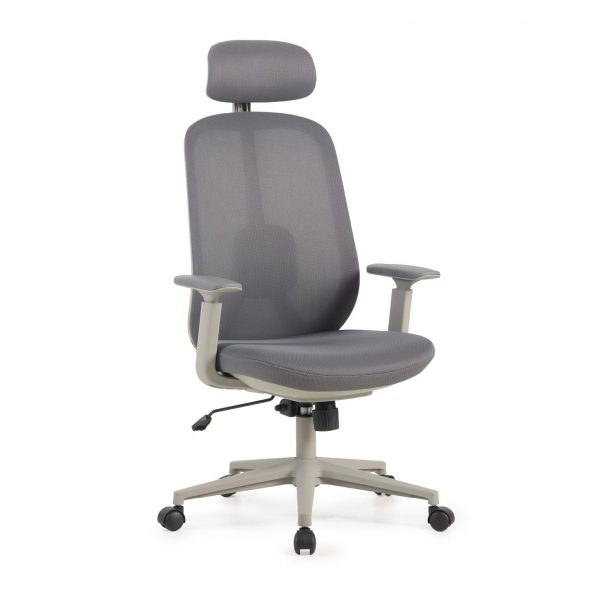
Identify mesh coverage on the seat and back
Read the actual seat and back specifications separately. Mesh may be described for one component while upholstery or another surface forms the other. Review close and full-chair views so the contact areas are clear. A perforated-looking image alone does not establish how the material is built or supported.
Compare the amount of open surface with the frame and any covered zones. Your sitting contact includes the whole arrangement, not a mesh word detached from it. Ask about missing details if the surface feel matters. Choose through the actual design rather than assuming every mesh chair offers the same support, tension or experience across its seat and back.
Compare the supporting frame with usable sitting space
Check how the mesh meets the surrounding frame and where the edges sit relative to the usable zone. Read seat width, depth and back arrangement rather than using the maximum outer dimensions. A substantial rim can occupy part of the visible outline without becoming usable seat area. Compare the real position with your preferred routine.
Support and adjustment are separate questions. Ergonomic chairs focus on documented user-fit functions; mesh itself does not establish those controls. If the selected design provides lumbar or another support feature, read its actual description and range. Ask how any specified support moves and where it contacts the back if that detail will decide the chair.
Choose care and work fit for the complete chair
Read the selected mesh and frame-care guidance before choosing tools or cleaners. Do not assume removable panels, interchangeable parts or a method used on another mesh item. Consider regular contact and access around the supporting edges, then ask about instructions that are missing from a deciding part of the specification.
Plot full chair and base at the desk, with room to approach and stand. Height adjustable office chairs and swivel office chairs narrow specific functions where documented. Confirm supplied components, intended setting and assembly. Ask benssur about an unclear material or dimension before choosing the actual mesh coverage, frame edges and controls for your daily sitting.