
Marble Decorative Trays
Marble decorative trays put stone pattern inside a small, defined grouping. Start with the veining and the objects you intend to place on the base. A full display can hide much of the surface, leaving only the edge visible. Decide how the stone should contribute after the tray is used, not only in an empty product photograph.
Read moreRead less
Read whether the selected surface is natural marble or marble effect, and which components use that material. Then compare usable inner area, edge form and intended decorative use. Decorative bowls and trays offer the wider shape comparison. Marble decorative bottles provide a sculptural stone direction if you want the material itself to lead without forming a boundary around several objects. Choose care and purpose alongside the pattern.
Showing all 7 resultsSorted by recommended
-
Week’s PickOriginal price was: $223.00.$185.00Current price is: $185.00.
-
On SaleOriginal price was: $106.00.$93.00Current price is: $93.00.
-
-
-
-
-


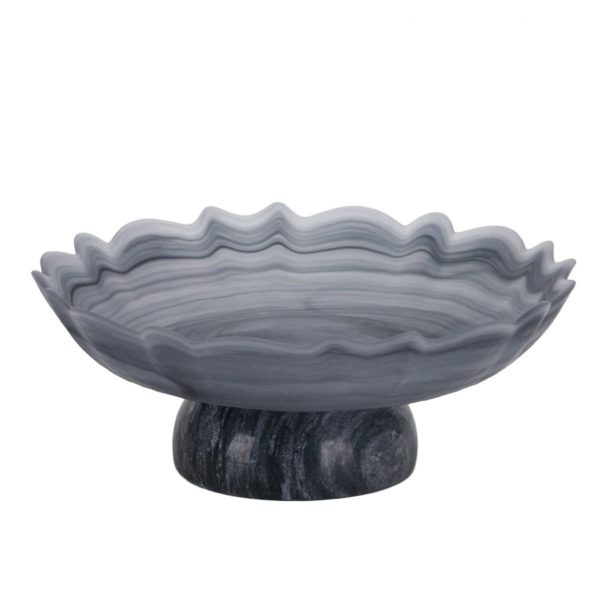
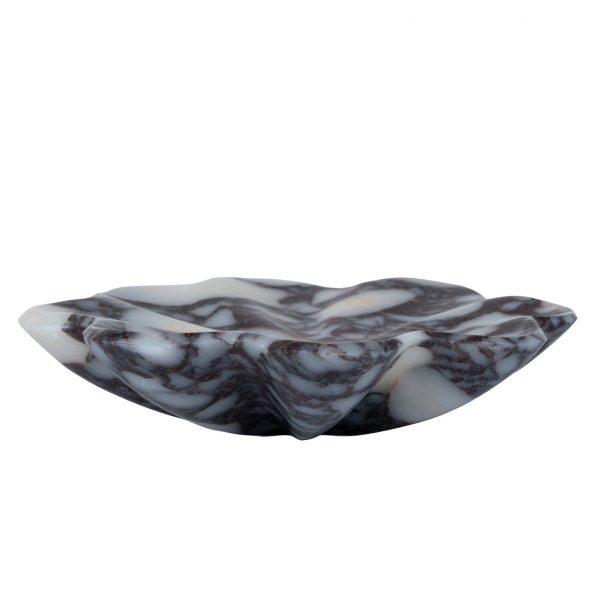
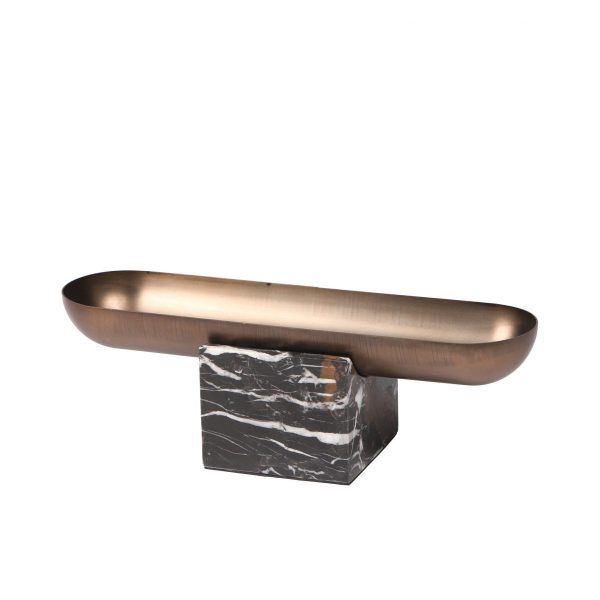


Leave enough stone visible for the veining to have a role
Review the full base and border, then mark your intended contents. Stronger lines may be covered by a large object, while a simpler grouping leaves more pattern exposed. Decide which should lead: the tray’s stone or the objects above it. Compare both with the supporting furniture surface and other patterns nearby.
Read natural-variation information for the actual item. Exact vein placement should not be assumed from a product image. Ask what can be confirmed if that detail matters. The useful choice is an informed material relationship rather than a promised identical stone pattern. Keep retrieval space in the arrangement too, so revealing the veining does not make ordinary use awkward.
Check the usable base inside the stone boundary
Compare inner dimensions and edge shape with the objects you want to organise. A raised lip or carved outline can reduce the flat working area relative to outside measurements. Check any stated construction, including which parts use marble. A stone-looking photograph does not establish one solid piece or explain the underside.
Read intended use and handling. A decorative tray does not automatically support carrying, food contact or hot objects. Do not infer permission from a flat base. Leather decorative trays offer another material direction for a small-object grouping. Choose the format and use that the actual product supports before expecting stone appearance to answer the practical questions.
Keep marble care part of the everyday placement decision
Natural marble is sensitive to acids and can develop dull etch marks. Avoid guessing with vinegar-based cleaners or treating an ordinary penetrating sealer as protection from acid etching. Follow the selected stone and finish instructions, including suitable protection and spill care. A marble-effect material has its own guidance.
Choose a stable position within the supporting furniture’s useful area. Check any permitted protection underneath and actual handling if the tray will move. Decorative accessories provide related finishing pieces. Ask benssur about unclear material, edge or care details before choosing the stone grouping. Its appeal should suit the routine in which small objects are placed, removed and cleaned around.