
Marble Decorative Bottles
Marble decorative bottles combine a bottle-shaped silhouette with the stone’s visible pattern. Look at the neck, shoulders and body together: veining that seems quiet in a close-up may become more noticeable as it crosses a curved form. Decide whether the object should be the display’s main material feature or a smaller supporting detail beside books and artwork.
Read moreRead less
Confirm the actual construction before planning its use. Read whether the selected surface is natural marble or marble effect, and whether the actual bottle is solid, hollow or intended for permitted contents. Decorative accessories offer the wider display comparison. Glass decorative bottles provide a different material direction when visibility through the body matters more than stone pattern. Choose form and purpose together.
Showing all 2 resultsSorted by recommended
-
On SaleOriginal price was: $242.00.$213.00Current price is: $213.00.
-
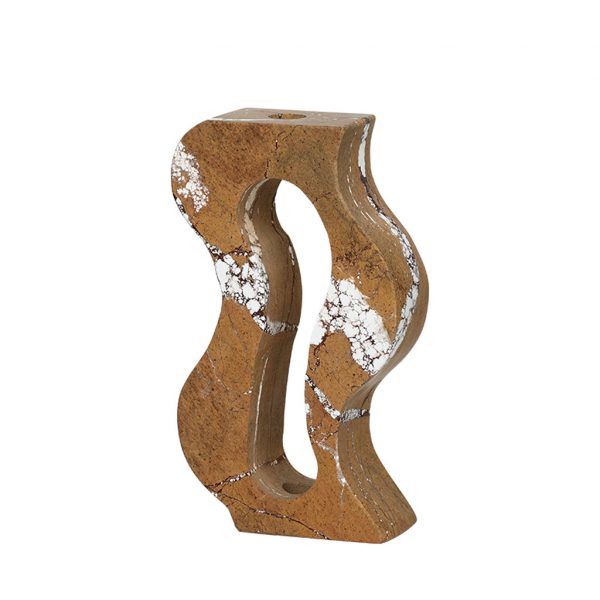
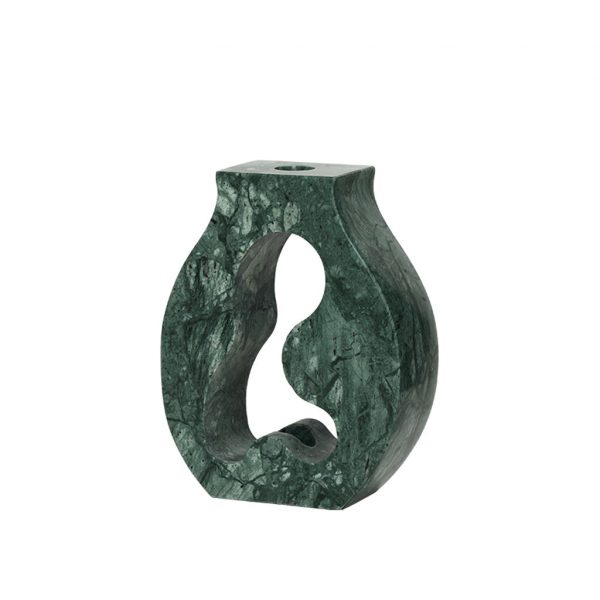
Read the veining across the whole bottle form
Review the selected object in several views. The pattern may cross the shoulders, narrow towards the neck or appear differently on another side. Compare that movement with the full silhouette rather than choosing from one small patch of stone. Natural variation information should establish what can be expected; a photograph is not an automatic promise of exact vein placement.
Check the view from the room’s ordinary position. A strong pattern can be less readable from a distance than at close range, while the outline remains clear. Compare the object with nearby book spines or art. Give either the form or another pattern a leading role instead of asking every display item to be the feature.
Choose the display position for the stone profile
Measure height and the widest body or base, then compare the available surface and any shelf above. Include room to lift and clean around the piece. A narrow neck does not mean the full object occupies little space, so use its broadest measurement. Keep the silhouette clear of crowded neighbouring objects.
Read handling and any permitted base protection for the selected design. Do not infer light weight from a compact image. Sculptures and decorative objects provide another route if a material form, rather than a recognisable bottle outline, is the main buying purpose. Choose a place that suits the actual object without interrupting ordinary reaching on the console or shelf.
Keep decorative stone use separate from storage and care
Confirm whether the actual piece is solid, hollow or uses another specified construction. Do not assume food storage, a working closure or water suitability. If flowers or contents are intended, ask whether that use is supported or compare documented vases and decorative pots instead.
Natural marble is sensitive to acids, which can leave dull etch marks. Follow the object’s actual finish-care instructions and avoid guessing with vinegar-based cleaners. A marble-effect material needs its own guidance. Ask benssur about missing construction or care details before choosing the stone accent. Let the marble pattern and bottle outline carry the display, with enough room around the base to handle the object and clean the shelf.