
Glass Decorative Bottles
Glass decorative bottles bring a bottle silhouette into a shelf, console or tabletop display. Begin with the neck, shoulders and base: those proportions decide whether the object feels tall and narrow or more grounded. Then check the actual glass finish. Where it is transparent, what sits behind the bottle becomes part of the view; another stated finish may emphasise the outline instead.
Read moreRead less
Choose this collection for the decorative role, with practical use confirmed separately. The name does not establish food storage or permission to hold water. Decorative accessories provide a wider display comparison. Glass decorative jars offer another opening and silhouette if you want a broader form. Start with the position where the object will live.
Showing the single result
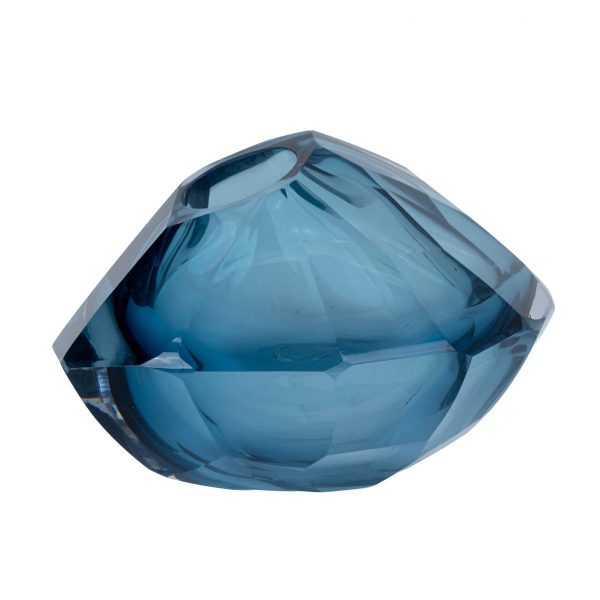

Choose the silhouette for the shelf or console view
Mark the object’s height and widest base against the display surface. Check the opening above it and the view from the room, not only a close product image. A slender neck can emphasise height, while broader shoulders give more visual area. Keep space around the outline so it remains legible among other objects.
Compare the bottle with a book stack, lamp or artwork that stays nearby. Different heights can form a considered grouping without matching every shape. Vases and decorative pots provide another form comparison, but do not assume a decorative bottle performs a vase’s water-holding role. Choose shape and use as separate questions.
Assess the glass with the background actually behind it
For a transparent bottle, compare the wall, books or other objects visible through its body. A patterned background can change the apparent detail, while a quieter one may leave the glass outline clearer. Review the selected finish rather than assuming every glass bottle is colourless or transparent.
Look at light and reflection in the planned position, avoiding a display that obstructs useful access to the surface. If colour is the main feature, green decorative bottles offer a different direction. Decide how much detail the bottle should add instead of combining it with several strong objects simply to fill a shelf.
Confirm the intended decorative use and care
Read whether the actual piece is solid, hollow or supplied with another documented construction. Do not infer watertightness, a working closure or food suitability from the bottle shape. If flowers or stored contents are part of the plan, ask whether that use is expressly supported before buying.
Follow care and handling instructions for the selected glass and finish. Check the base’s contact with the display surface and any protection permitted. A decorative role still needs a stable position away from ordinary reaching paths. Homewares offer related finishing pieces. Ask benssur about missing opening or use details so the glass silhouette fits both the display and its intended purpose.