
Glass Decorative Jars
Glass decorative jars are for displays where a jar form, its opening and any supplied lid should be considered together. Start with the shape you want on the shelf, then decide whether the piece is simply an object or will hold contents permitted by its actual description. Where the glass is transparent, those contents and the background become part of the view.
Read moreRead less
Use this collection to compare body proportions and access without assuming airtight, watertight or food-safe storage. Read the selected finish and lid information. Decorative accessories offer a wider display route. Glass decorative bottles focus on a narrower neck silhouette when the form matters more than an accessible opening. Choose the jar’s role before deciding its size.
Showing the single result
-
On SaleOriginal price was: $69.00.$62.00Current price is: $62.00.
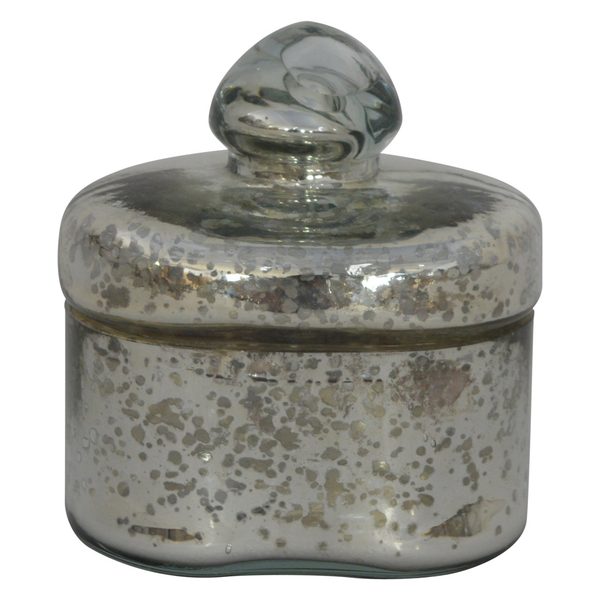
Compare the opening with the contents you intend to use
If contents are supported by the product, measure what goes inside and the clear opening needed to place and remove it. A broad body can still have restricted access at the neck. Check the actual internal and opening dimensions rather than estimating them from outside width.
Read whether a lid is supplied and how it operates. Its presence does not establish an airtight closure or permission to store food. If the jar is only for display, choose opening and lid as part of the silhouette alongside the clearance needed to remove a supplied lid or lift the piece. Homewares provide related finishing pieces when organisation is not the purpose of the decorative object.
Plan the visible glass body with its background
For a transparent finish, compare the view through the jar with the wall, books or surface behind it. Contents can add another colour and texture, so the loaded appearance may be very different from the empty product image. Choose a restrained grouping when the body shape should remain the main feature.
Check the actual glass colour and treatment rather than assuming clear glass from the name. A supplied lid may create a stronger top line, while another described construction has its own outline. Green decorative bottles offer a colour-led form comparison when a small accent is needed instead of a visible-content display. Assess the pieces in their intended room position.
Leave usable access above and around the jar
Measure the full height with any supplied lid in place, then check how much clearance is needed to remove it or lift the object. A shelf opening that fits the closed silhouette may still be awkward in use. Include the widest base and space around neighbouring objects for ordinary cleaning.
Follow the actual glass and finish-care instructions for the contents and handling permitted by the selected piece. Do not guess about dishwasher use, sealing or liquid storage. Decorative bowls and trays offer a more open form for supported everyday objects if enclosed access is not useful. Ask benssur about unclear lid or use details before making a decorative jar responsible for a storage routine.