
Leather Decorative Trays
Leather decorative trays offer a covering-led direction for grouping small objects on a console, bedside surface or another suitable place. Start with the actual material: read whether the selected covering is leather or leather look, then compare the finish and contact care described for it. Then examine the edges and corners. Their construction decides how much inner space is useful and how easily small objects can be taken out.
Read moreRead less
Use this collection to compare that practical boundary with texture and care. Check which components carry leather rather than assuming the whole tray has one construction. Decorative bowls and trays provide the wider format comparison. Brown decorative trays focus on a colour relationship if composition is still open. Choose the covering for a documented decorative purpose, with any serving or carrying role checked separately.
Showing all 2 resultsSorted by latest
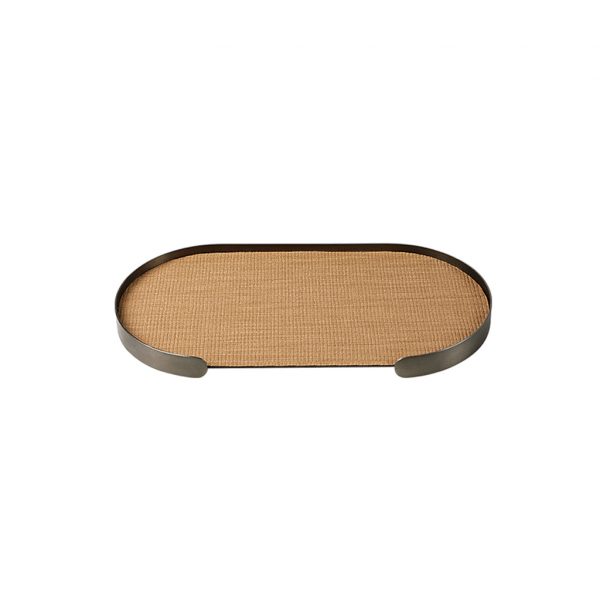
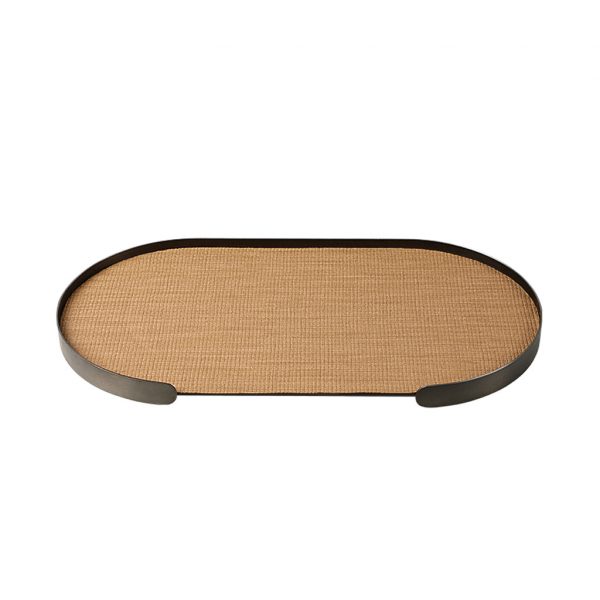
Check corners and edges for the objects you retrieve
Review how the sides meet and whether the selected design uses folds, a rigid frame or another stated construction. Corner details can reduce flat inner area or form places where small items settle. Compare the actual opening and usable base with keys, jewellery or other suitable objects you want to gather.
Think about picking them up, not only fitting them inside. A high edge can make the grouping more defined but may change access from the usual approach. Ask about missing inner dimensions if a particular item must fit. Grey decorative trays offer another quieter colour direction when the contents should lead the view rather than the covering.
Read the covering and finish without assuming one leather type
Check which surfaces use leather and what composition or treatment is stated. A leather-looking photograph does not establish genuine leather or explain hidden backing. Do not infer its composition, grain or surface treatment from the name alone. Ask about details important to the texture and appearance you want.
Compare the covering with the supporting furniture and nearby objects. Seams or corner junctions may remain visible even when contents cover much of the base. Choose the actual tone and texture rather than trying to match another leather item by a broad label. Use the actual corners and base dimensions to check the belongings you will lift out each day, alongside the stated covering and care.
Choose covered-surface care for the real daily routine
Read the selected care instructions before applying leather cleaner or conditioner. A method used on another leather item may not suit this finish or a leather-look covering. Consider the objects that touch the base and any guidance on damp contents, spills or cleaning. Do not assume the covering protects furniture from every mark.
Check permitted protection beneath the tray, full footprint and handling if it will move. Food or loaded serving use needs explicit support. Decorative accessories provide related pieces for the display, while benssur can clarify missing material or corner details. Choose a small-item home whose surface and access suit the routine, rather than buying texture alone.