
Grey Cabinets
Grey cabinets can give storage a restrained colour role, but a large grey surface needs more thought than a small neutral accessory. Compare its undertone with walls, flooring and nearby furniture. A warm grey and a cooler grey can create different relationships, especially beside other grey finishes.
Read moreRead less
Decide whether the cabinet should blend with the room or remain clearly separate. Then check the actual internal layout, openings and full dimensions. The cabinet and cupboard category covers the broader storage decision. Compare the grey surface and visual balance with the specified materials and internal fittings beside you. Choose the practical storage arrangement alongside its appearance.
Showing the single result
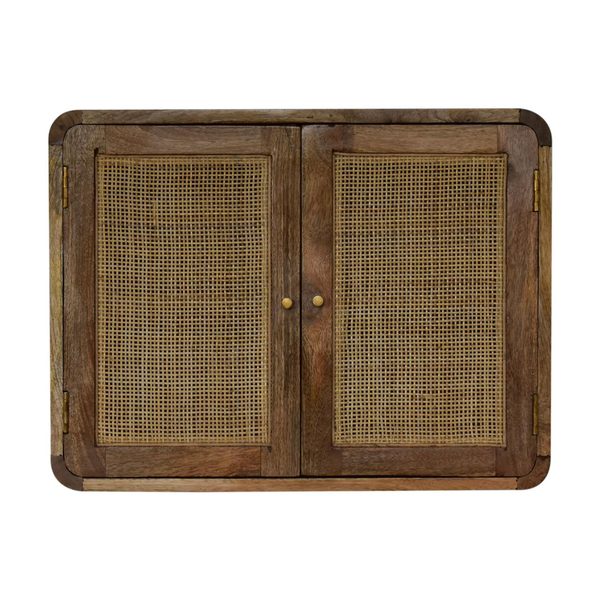

Which grey works with your fixed room finishes?
Compare the cabinet with the largest nearby neutral, often a wall or floor. Grey can carry a warmer or cooler cast that becomes more visible beside another surface. An uncertain near-match may be less settled than a deliberate lighter or darker relationship.
Room light can affect how the front reads across its height and width. Look at the actual material and available finish details rather than relying on a small screen image. White cabinets offer a lighter colour comparison, while black cabinets give a stronger dark direction. Keep the required internal layout fixed when assessing those palette options so colour does not introduce a storage compromise.
How can a neutral cabinet avoid becoming one flat block?
Shape, texture and component contrast can give the cabinet definition without another strong hue. Compare the door faces, base and handles where their finishes differ. A visible grain or a smooth surface creates another relationship with the room, but verify the actual material rather than inferring it from an image.
The full form matters more than one front close-up. Assess its side and height beside nearby furniture. Natural timber cabinets focus on visible wood character if warmth and grain are the reason for reconsidering grey. Choose one clear role for the storage surface: quiet backdrop, defined neutral form or another deliberate connection with the room.
Does the grey form provide the access you need?
Measure the contents against usable compartments, then add door or drawer movement to the outside footprint. A calm neutral can make a cabinet blend visually while the same physical opening problem remains. Include the person handling items and nearby furniture.
Read the specific surface care for fronts, handles and other contact points. Grey does not establish resistance to marks or one cleaning method. Follow assembly and securing instructions for the actual design. Cabinets with shelves help refine stacked contents, while cabinets with drawers focus on separated groups. The grey should finish storage whose layout, access and maintenance already make sense.
Frequently Asked Questions
Use bedroom storage when the grey cabinet needs to organise dressing items while keeping access around the bed clear.