
Green Side Tables
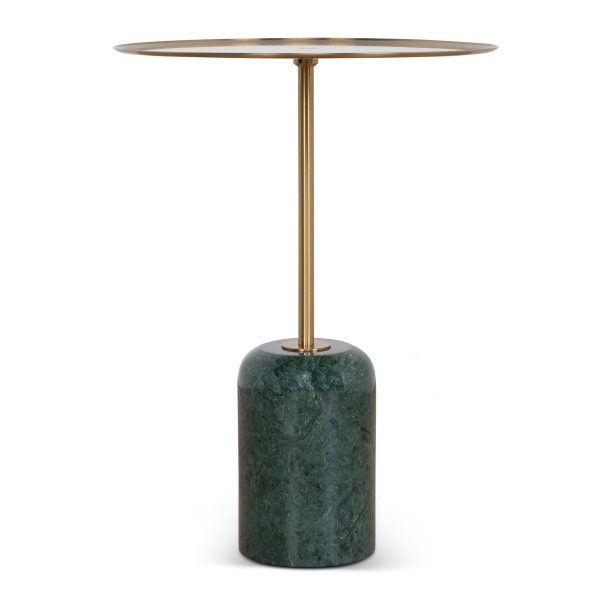
Green side tables can connect a small surface with textiles, timber or planting in the room. Compare the actual shade with fixed finishes first, then include the wider view. Plant tones vary, so the table does not need to match every leaf to belong in the setting.
Read moreRead less
Decide whether green should become a feature beside the seat or a quieter supporting colour. Useful height and top area still guide the furniture choice. Side tables cover those first practical checks. Check the top and base materials and their care alongside the colour choice.
Showing all 11 resultsSorted by recommended
-
Week’s PickOriginal price was: $429.00.$356.00Current price is: $356.00.
-
On SaleOriginal price was: $213.00.$187.00Current price is: $187.00.
-
-
-
-
-
-
-
-
-
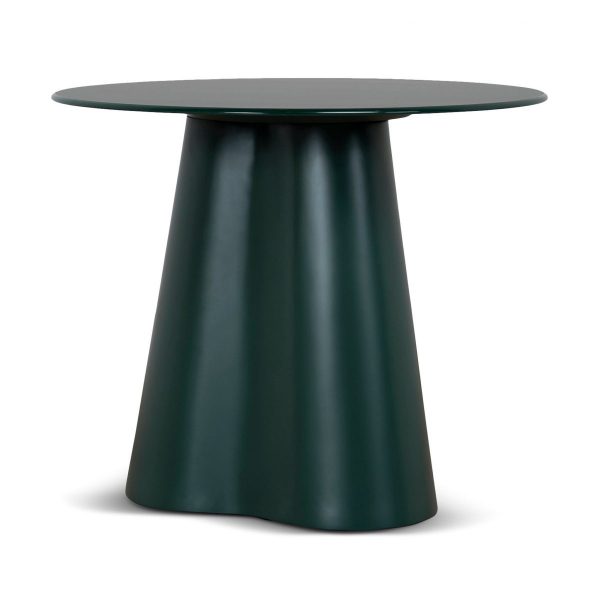

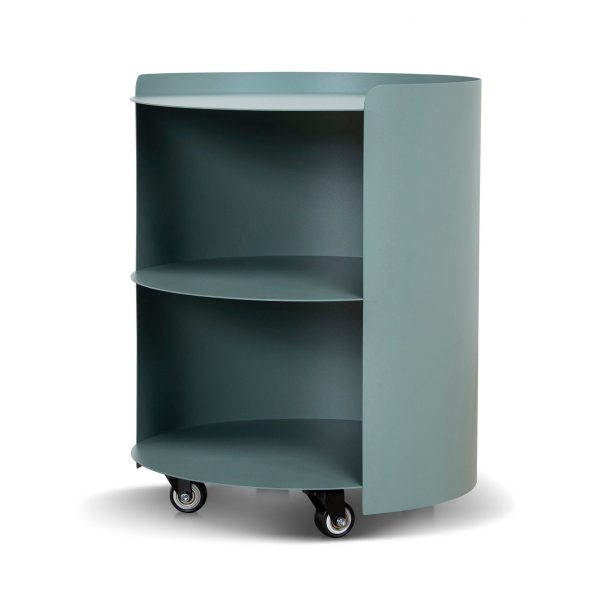
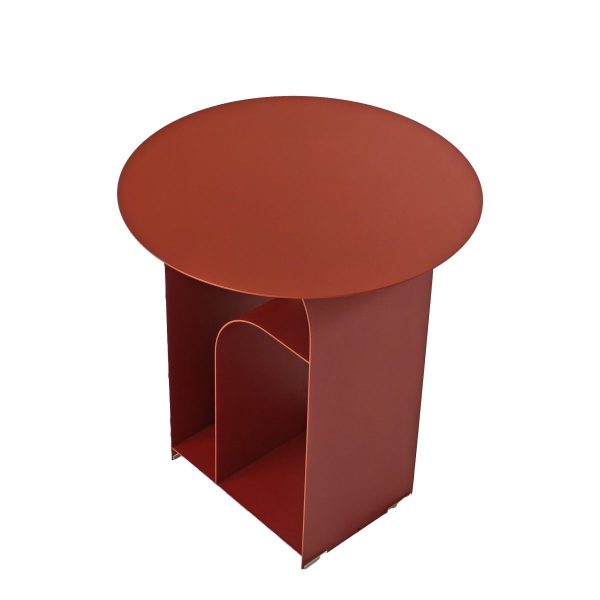
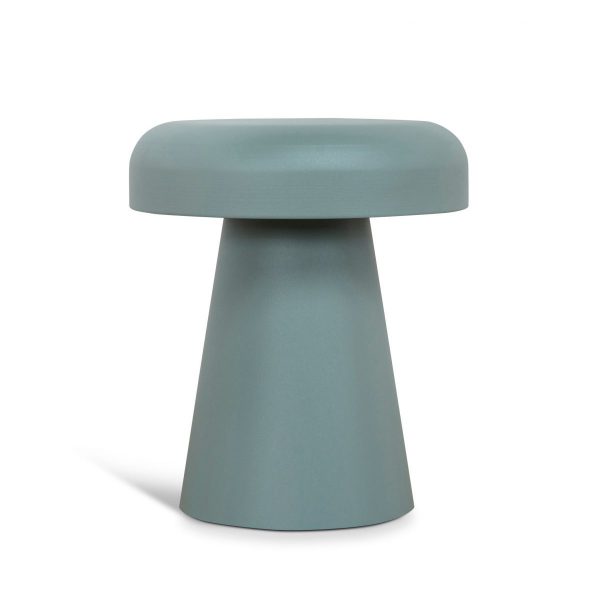
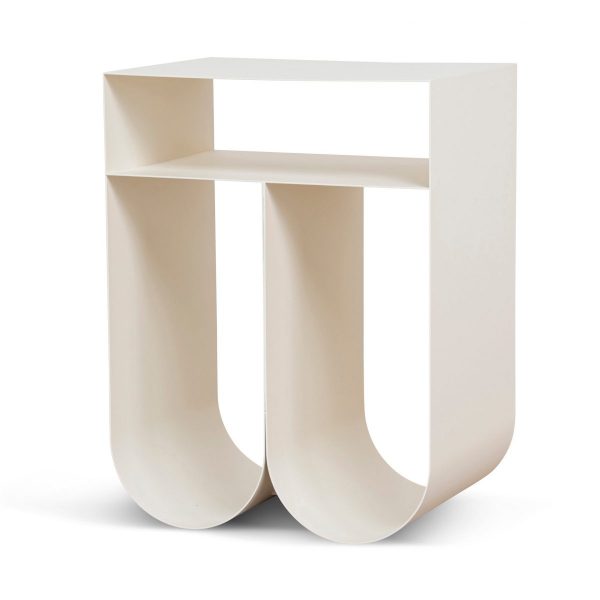
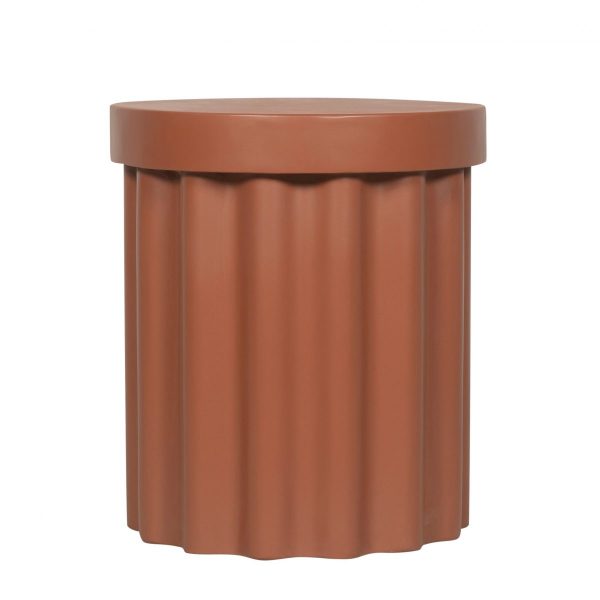
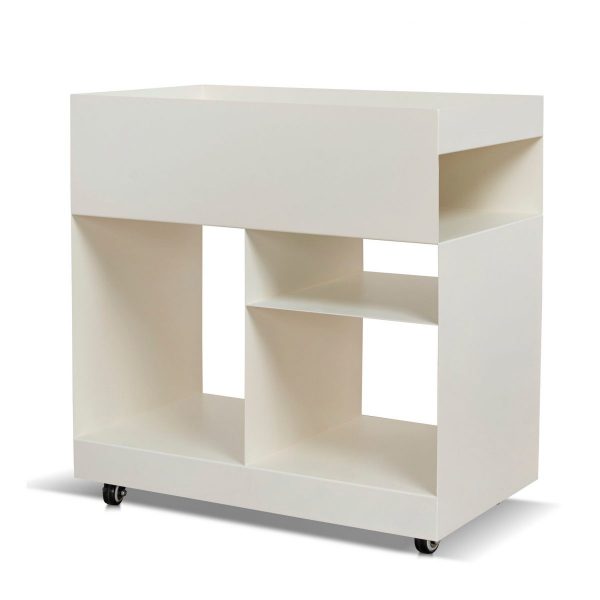
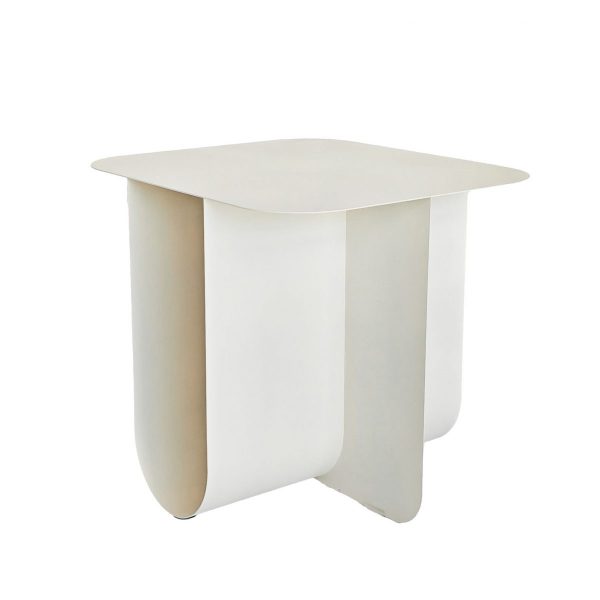
Which fixed room colour gives the green a clear reference?
Compare the proposed green with flooring, the wall and the main upholstery. Warmer and cooler greens can create different relationships with timber and neutral textiles. Choose one reference that remains useful when smaller accessories or plants change.
Look at the actual top, sides and base together. The amount of green visible can matter as much as shade, especially where a lamp covers part of the top. Blue tables offer another coloured accent, while natural timber tables focus on visible grain. Keep seated reach and top dimensions fixed when comparing those appearances rather than choose a botanical theme from a colour label.
How should green sit beside plants and patterned textiles?
Decide whether the table should connect with the room’s existing detail or stand apart from it. A clear change in colour depth can make the form easier to distinguish against foliage or upholstery. An exact match is not necessary.
Assess the table from the room entrance and usual seat with everyday objects on top. If several patterns are already visible, a simpler form may let the green contribute without competing for attention. Read actual finish information instead of assuming one uniform shade across materials. Choose the whole accent as part of the real room view, with the practical table role kept central rather than replaced by decoration.
Does the coloured form still work as a seat-side surface?
Compare top height with your chair or sofa and check comfortable reaching space around any lamp. Mark the full base with room to sit, rise and pass. A pleasing green cannot reduce a projecting foot or an inconvenient top position.
Read the top and base materials separately, including any storage feature only where stated. Follow the finish’s care for regular handling and drinks rather than infer a cleaner from colour. Small tables refine the landing-place task if little top space is required. Choose green on an accurately described table whose useful surface and occupied access fit ordinary use in the room.
Frequently Asked Questions
Explore grey tables for a quieter neutral comparison if the room already has enough visible colour and pattern.