
Executive Desks
Choose executive desks for a defined primary working place: somewhere your main equipment, active papers and daily decisions can stay organised together. Start by laying out the tasks you use side by side. If you often review a document while working on screen, measure both areas without relying on moving one away each time.
Read moreRead less
Then include the seated person and anyone who needs to approach the desk. Actual dimensions decide whether that arrangement fits; executive is not a fixed size or feature list. The office desks guide helps compare the wider work setup, while home office desks consider a shared domestic room. Choose the primary desk around that working layout before its finish.
Showing all 2 resultsSorted by recommended
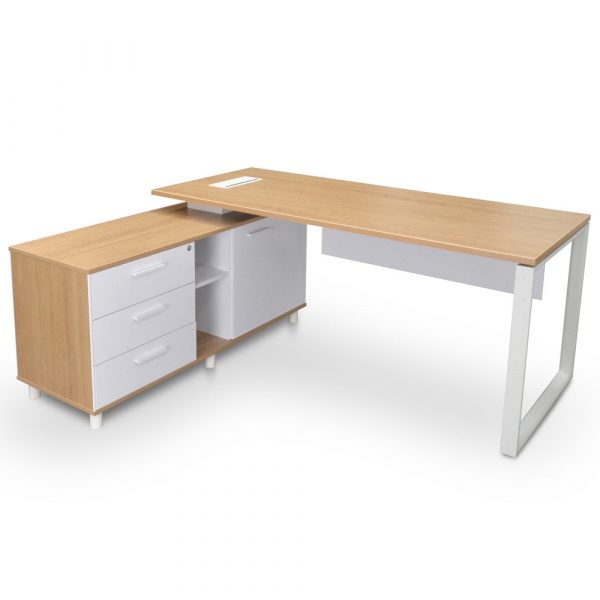

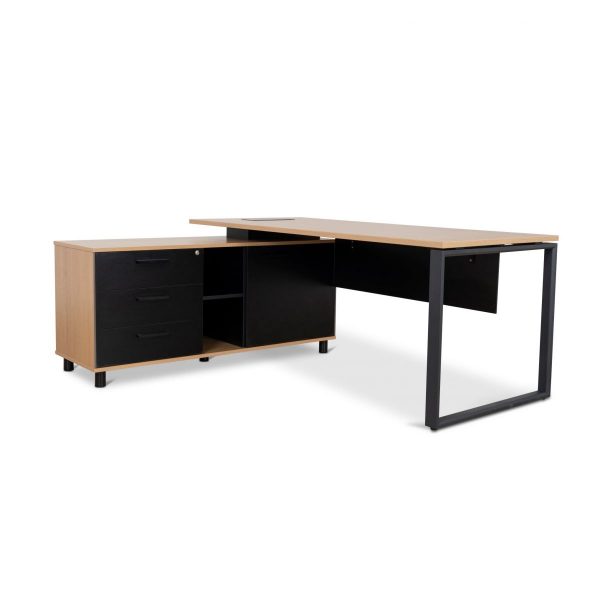
What must the primary working surface accommodate?
Separate the work that stays in use from the papers or tools you bring out temporarily. A screen and keyboard may occupy one area while document review needs another. Measure the arrangement you actually use together, including the depth needed for equipment behind the active front edge.
Choose the main chair position so regularly used items remain in comfortable reach. If the design includes a return or another surface, decide which task belongs there and check its actual orientation. The corner desks guide helps when a turn suits the room. Keep the central working area useful rather than choose extra surface that simply collects items you seldom use.
Can the complete desk and seated person fit the room?
Mark the full footprint with the chair occupied, including movement to rise and the route around the desk. A strong primary form can look balanced when empty yet leave too little space during work. Check doors and nearby storage openings.
Compare the seated underside, including rails, drawers or supports stated for the design. If another person must approach the desk, include that access in the room plan rather than assume space across the front is usable. Office chairs provide the separate seating comparison. The desk’s presence should come from a workable arrangement, with actual dimensions more useful than an executive label.
Which storage and connections support the main work area?
Decide what should remain on the surface and what belongs within reach in storage. Active documents may need a clear nearby place; occasional supplies can sit elsewhere. Read any actual drawers or compartments and test their openings beside the occupied chair, keeping useful knee and foot space beneath the main position.
Check the stated cable arrangements against your equipment and access to the room’s power points. Plan where connections can be reached without disturbing papers or blocking the route around the desk. Then compare the top’s care for ordinary hand and equipment contact. Timber desks and black desks help refine construction and colour after these tasks work. Confirm any workplace specification required for the chosen design separately.
Frequently Asked Questions
Use home office storage to plan work materials that do not need to remain on the primary surface.