
Velvet Side Tables
Velvet side tables need a clear description of the covered component and the useful surface above or within it. Read both before choosing the texture. An upholstered-looking form should not establish a stool, a hard protective top or a suitable place for every drink and lamp.
Read moreRead less
Compare the full velvet area with the nearby seat and objects usually kept on the table. Side tables cover the first reach and surface checks. Velvet can add a soft-looking detail beside smooth timber, stone or plain upholstery. Decide how much of that texture you want in view, and check the surface that will hold your regular objects. Its placement and care should work comfortably within the seated routine.
Showing the single result
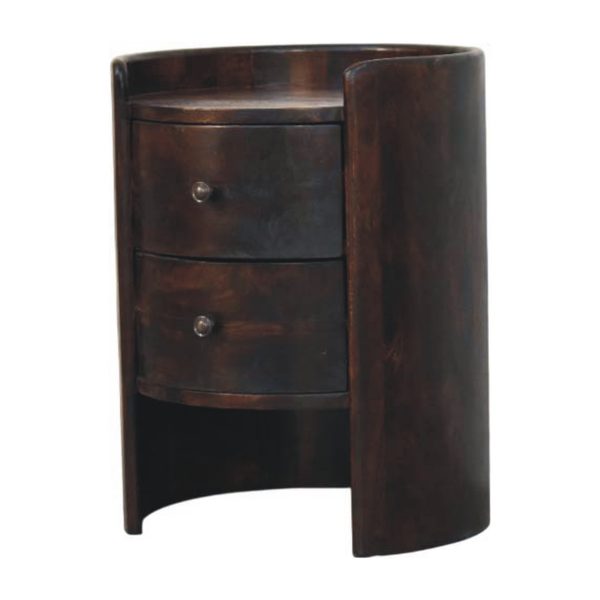

Where is the velvet and what holds everyday objects?
Read top, sides and supporting parts separately. Confirm the actual covering composition where provided and identify any different landing surface. If objects contact a covered area, use the product’s stated handling and protection rather than assume a hard top or washable layer is present.
Follow loading and intended use for the complete table. Do not treat an upholstered shape as seating unless that function is explicitly stated. Leather tables offer another covering comparison where texture is central. A separate hard top and a covered placing surface need different decisions. Check where the lamp base or cup would actually touch, and choose suitable protection for that part rather than for the upholstered body below it.
How should pile texture work beside existing upholstery?
Velvet’s raised fibres, called the pile, can look lighter or darker as light and viewing direction change. Compare the full covered form in the room rather than expect one flat colour from every viewing angle. Use the selected material’s actual appearance information.
Decide whether the texture should repeat a detail in the seat or give another surface a clearer contrast. Several plush or patterned areas may need a simpler table form to leave each material space. Keep usable top area and seated height fixed during that comparison. Look from the seat and the doorway to judge how much texture is visible. A small covered body can add a gentle detail, while a larger velvet area may become a stronger feature beside plain seating.
Can the covering’s care fit regular seat-side contact?
Read the actual velvet finish and cleaning instructions, including guidance for spills and pressure contact. Do not assume steaming, washing, brushing or strong spot-cleaners suit every velvet. A pile surface needs the method approved for the selected covering and construction.
Measure the lamp, drink and book within useful top space and follow protection for the real landing surface. Mark full base and occupied access with the seat, keeping any cable clear of the route. Small tables refine a compact surface task. Check which areas will be touched regularly and how the stated care deals with marks there. If a book or object rests on the pile, follow the maker’s pressure and handling advice for that contact.
Frequently Asked Questions
Explore rattan tables for a different material texture while retaining accurate top construction and the same seated-use requirements.