
Leather Side Tables
Leather side tables can add a covered detail beside upholstered seating, but the position of that covering matters. A leather-covered body with a separate top offers a different contact surface from a covered tabletop. Check the named material too: genuine leather, microfibre leather and other imitation coverings should remain clearly distinguished.
Read moreRead less
Start with the objects you want to keep within reach. They will determine the useful top area and the care you need around a drink or lamp. Compare the finish beside your sofa, then use the wider side table guide to check height and access. Choose the covering as part of a useful piece, with its actual contact surfaces understood.
Showing the single result
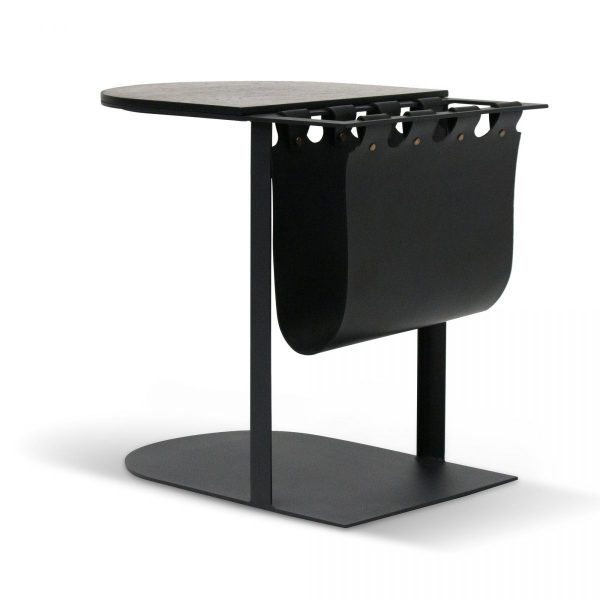

Which surface is covered and which surface holds your items?
Read the top, sides and supporting structure separately. Confirm the precise leather statement and any other materials. Where a covering forms part of the useful surface, check the product’s intended handling rather than assume a glass, timber or other hard top is present.
Measure the objects you want nearby and read use or loading guidance for the table. A soft-looking form should not become a stool unless seating is explicitly intended. Velvet tables offer another covering comparison where texture is the brief. If drinks are part of the daily use, confirm which surface will receive them and the protection it needs. Keep any seating use tied to the table’s stated purpose.
How should the leather texture relate to nearby seating?
Compare the actual finish with the sofa or chair rather than expect the same leather colour or grain across different products. A deliberate texture or tone relationship can connect pieces without an exact match. Assess the full covered area from the room view.
Read any variation information for the selected material instead of assuming one ageing pattern, grade or origin. The table may contribute a small accent or a broader textured form according to its construction. Keep useful top space and seated reach fixed while choosing that relationship. If you want the table to echo a leather sofa, compare the actual coverings together. A related tone with a different texture can look deliberate without requiring an exact match.
Can the actual leather care fit daily table contact?
Follow the covering’s finish-specific instructions for hands and objects near the table. Do not use oils, solvent cleaners or heat-drying as shortcuts. Those treatments can affect leather, and another component may require different care.
Plan drinks, plants and any lamp according to the real top’s protection and loading guidance. Mark full base and movement to enter or rise from the seat, then read assembly. Sofa tables refine that practical relationship. Position drinks and plant pots on the surface intended for them. Consider whether the required protection is practical to keep in place, especially where the covering sits close to an edge or a frequently used handle.
Frequently Asked Questions
Use timber tables when a stated wood construction is the next material comparison, while retaining the same useful top and seated-access requirements.