
Upholstered Counter Stools
Upholstered counter stools are worth comparing when the kitchen bench is somewhere to sit through meals or conversation. Begin with the actual useful seat, stated filling and back shape rather than expecting a padded-looking outline to guarantee comfort. Covered sides can occupy part of the outside width, leaving a different sitting area inside.
Read moreRead less
Then match the seat to your bench and the people using it. Height, knee space and reachable footrest belong in the same decision. Compare the upholstered form first; fabric counter stools and bouclé counter stools refine surface questions. Choose the covering after the padded position and full kitchen footprint are practical.
Showing all 3 resultsSorted by recommended
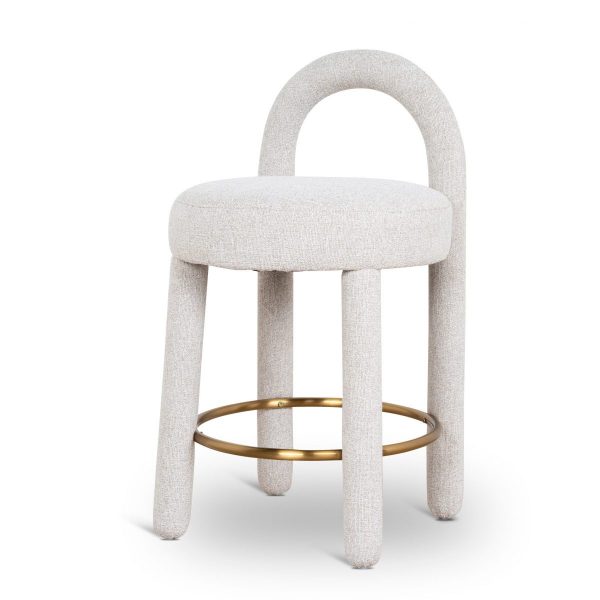

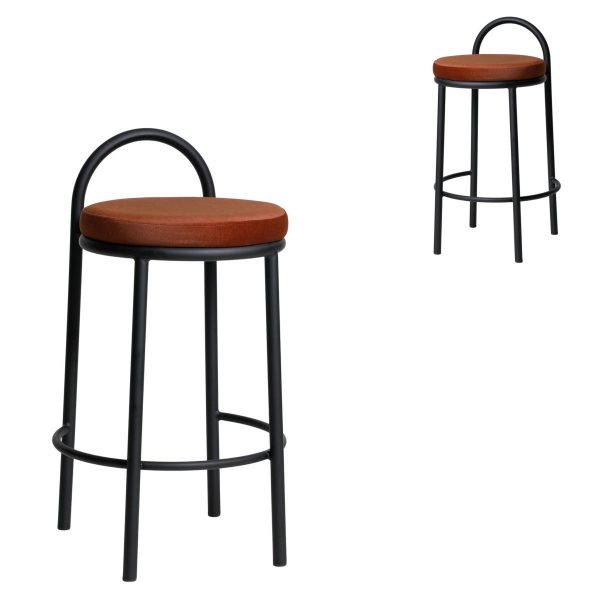
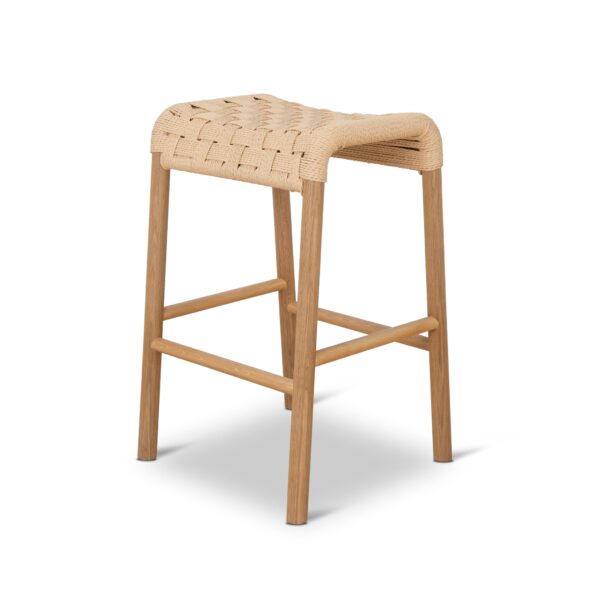
Where does the upholstery support the seated position?
Check the useful depth and width inside any rounded sides or arms. Read filling and base information where supplied, because covering and cushioning are separate parts of construction. A generous exterior can still have a contained seating area.
Compare the front edge and backrest shape with how you naturally sit. For longer meals, the footrest’s relationship to the seat matters alongside padding. Ask about missing dimensions when they affect your choice. Counter height seating examines the body-to-bench relationship more closely. Upholstery should finish a supported position rather than become a reason to ignore an awkward height or a seat that does not suit the regular users.
Can the covered form park and move beside the counter?
Read full dimensions, including arms, back and any projecting base. The seat may clear the underside while another component prevents the stool tucking beneath the top. Compare the actual overhang and opening rather than a photograph that appears compact.
Plan occupied positions with room between people and space to pull back and rise. A wider upholstered row may call for fewer seats rather than cramped elbow room. Kitchen island stools provide the cupboard and movement comparison. Choose a full form that works around the kitchen’s tasks, not only one cushion that looks comfortable in isolation.
Which covering suits the contact around everyday meals?
Map the front edge near food, the back used to move the stool and the footrest as frequent contact areas. Read instructions for the actual covering and frame separately. Do not infer removable covers, washability or a shared cleaner because the stool is upholstered.
Texture and colour can then connect seating with the kitchen. Beige counter stools offer a warm neutral direction, while grey counter stools provide another undertone comparison. Neither colour establishes material or performance. Choose the surface from accurate information and a routine you can follow, with padding, footprint and daily support already understood.
Frequently Asked Questions
Use counter stools for the wider support and spacing decisions across different seating forms.