
Grey Counter Stools
Grey counter stools can connect a kitchen seating row with neutral cabinetry without making every surface identical. Begin with the actual grey beside your fixed finishes. Its warm or cool cast can look different against timber flooring, stone and cupboard fronts, particularly under evening light.
Read moreRead less
Then judge the full arrangement. A grey covered back on a contrasting frame adds a different line from a small grey seat, and several stools repeat that effect. Counter stools cover support and spacing; counter height seating helps settle measurements. Colour should complete that working position rather than become a reason to overlook it.
Showing the single result
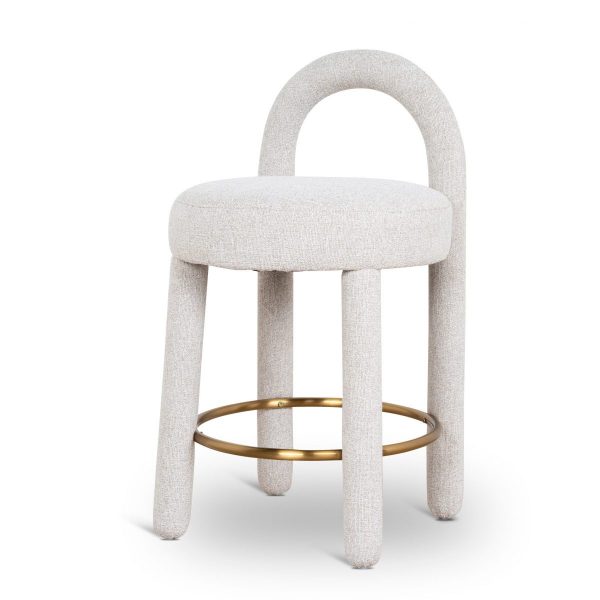

Which grey fits your kitchen’s fixed finishes?
Compare the stool with the cupboard fronts and benchtop, not just another grey in isolation. A near-match across different materials can feel less clear than a deliberate lighter or darker tone. Notice any blue, brown or green cast revealed beside the fixed surfaces.
Assess the colour under the lights normally used for meals. Available material details can help, but a screen image cannot establish a perfect match. Beige counter stools offer a warmer neutral alternative, while black counter stools create another depth. Keep the required height and support fixed when making this palette comparison so the kitchen remains practical.
What does the whole grey row add to the room?
Look at backs, bases and the side view from adjoining seating. More covered surface repeats more grey, while an open frame may leave the floor and bench visible between stools. Choose the effect intentionally rather than assuming a neutral is visually absent.
Texture can provide separation where the tones are close. Read whether the surface is fabric, another covering or a stated frame finish. Fabric counter stools focus on the textile question, and natural timber counter stools offer a visible-grain comparison. The full stool can combine those attributes, but the actual specification should explain each component rather than one colour label doing all the work.
Can a quiet neutral seat work through ordinary kitchen use?
Compare seat height with the counter underside, then check usable depth, back support and reachable footrest. Grey cannot establish a comfortable position or a particular filling. Include those actual details if the bench is used for longer meals.
Plan both occupied and parked positions, keeping cupboard movement and the walking route usable. Follow care for the covering, frame and frequent hand contact. Do not assume grey hides spills or marks, or that one kitchen cleaner suits every surface. Choose the grey after the seated position, occupied row and surface care fit your ordinary meal routine.
Frequently Asked Questions
Explore kitchen island stools to check the practical route and cupboard access after the grey palette is settled.