
Natural Timber Counter Stools
Natural timber counter stools can bring visible wood character beside stone, painted cabinets or another hard kitchen finish. Decide whether the stool should echo a timber floor or introduce a clearer contrast. Then assess the whole row, because grain and tone repeat through both seats and visible frames.
Read moreRead less
Natural appearance does not establish unfinished wood or solid timber throughout. Read the actual components and applied finish before choosing care. Timber counter stools help check the structure before choosing the wood character seen in the kitchen. Keep seat height, knee room and foot support beside the material choice so the warmth belongs to a practical everyday sitting position.
Showing all 2 resultsSorted by recommended
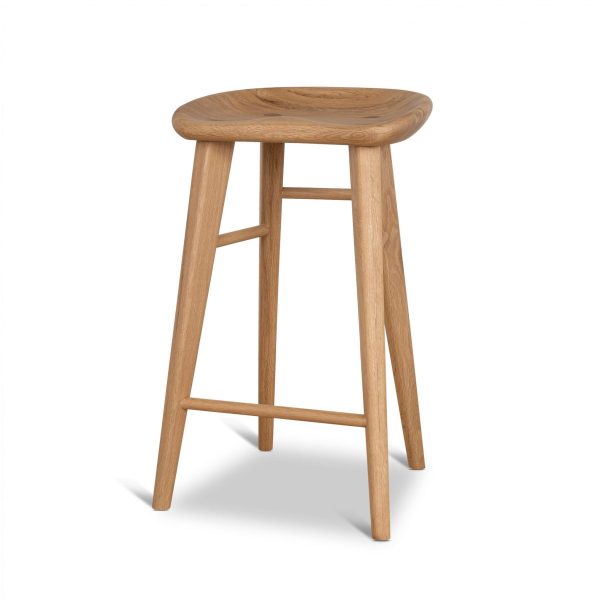

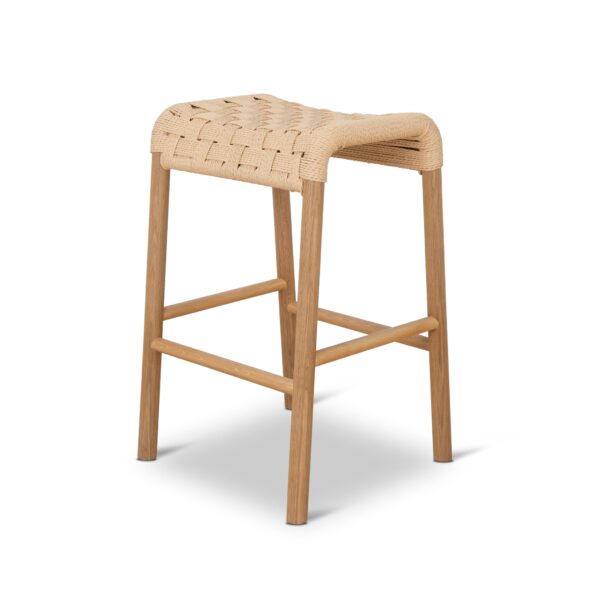
Should the timber blend with the floor or contrast?
Compare the stool’s stated finish with the floor and nearby cabinetry. Similar warmth can connect pieces without identical species or grain. A deliberate difference in colour depth may be clearer than an attempted exact match across different materials.
Look at the rear and side of the frame, where wood can remain visible even when the seat is tucked towards the bench. Consider any other timber dining seating nearby so the row adds one coherent layer. Beige counter stools offer a warm-colour comparison across materials if tone matters more than visible grain. Choose the actual wood relationship rather than assuming natural timber is one universal shade.
What does the visible grain tell you about the stool?
It describes appearance, while the specification must identify construction. Read the seat, frame and footrest separately. A grain surface may be part of a stated veneer or another construction and should not become an all-solid-timber claim.
The finish can be clear, tinted or otherwise described, with care appropriate to the chosen product. Do not infer raw wood from a natural-looking photograph. Ask about any missing detail that affects cleaning or material choice. A covered seat on a timber frame raises another component question, so check its instructions separately. Accurate information keeps the visible wood decision practical around food, hands and frequent footrest contact.
How can the wood-led form fit your counter routine?
Compare usable seat shape, width and depth with the way you sit. A timber component does not settle cushioning or comfort, and the footrest remains important at a raised surface. Match listed seat height with the underside where knees will sit.
Include the full base in both parked and occupied positions, particularly if legs project beyond the seat. Kitchen island stools focus on doors and movement around storage. Follow the actual finish care and intended use. Choose wood character on a form that leaves the kitchen workable during meals and afterwards, rather than letting grain become the reason to overlook height, support or clearance.
Frequently Asked Questions
Use counter stools to compare the daily sitting arrangement after the visible timber relationship is clear.