
Timber Counter Stools
Timber counter stools ask you to compare how the seat and supporting frame work together. Read the stated wood components and any mixed materials before assuming a wholly timber design. A shaped seat, a covered pad and a flat surface can create different sitting positions even where each stool includes wood.
Read moreRead less
The kitchen bench sets the height requirement. Check its underside against the listed seat height and confirm how feet reach the footrest. Natural timber counter stools narrow the visible-grain choice, while counter stools cover daily support and spacing. Choose the wood after the actual components and useful dimensions are clear.
Showing all 6 resultsSorted by recommended


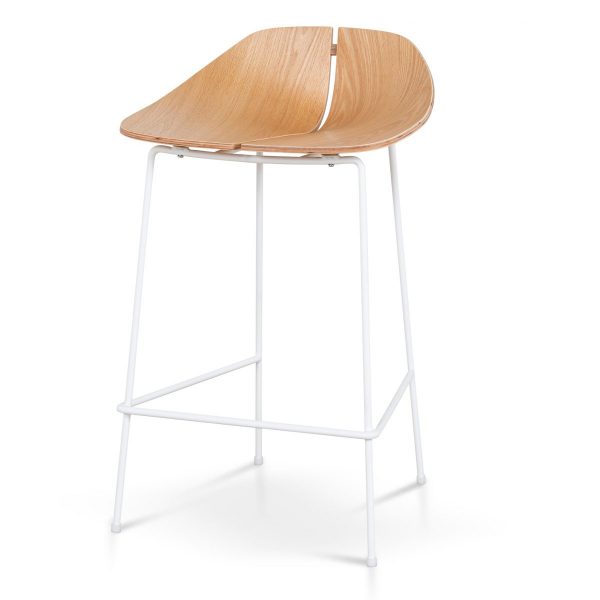
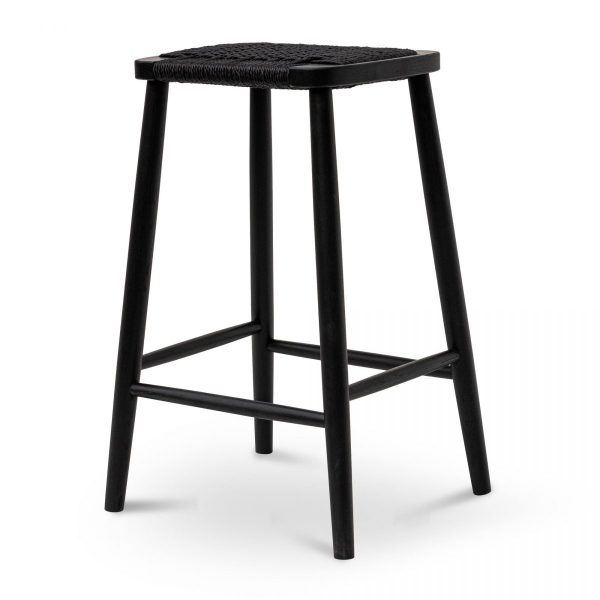

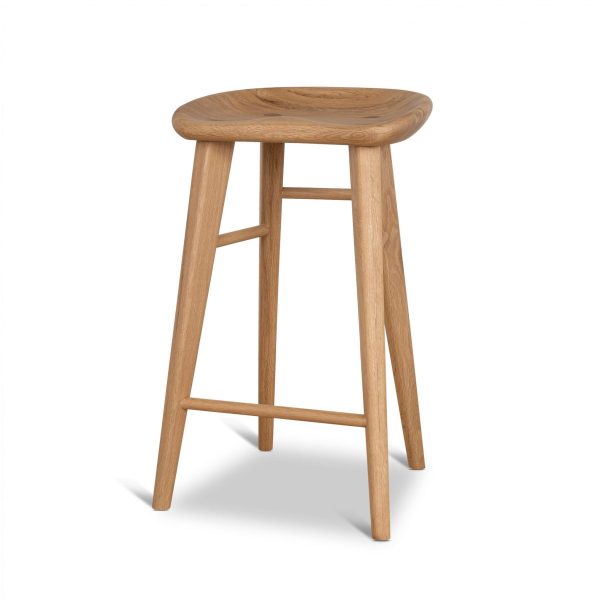
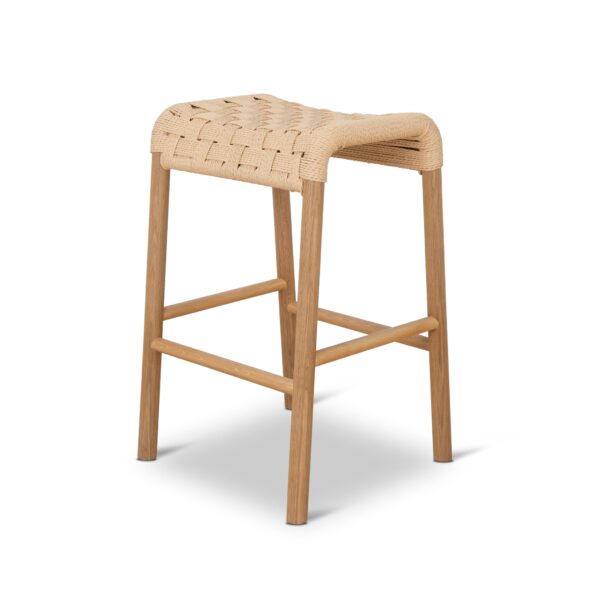
What does timber mean in the chosen stool’s structure?
Read the specification for seat, legs, rails and footrest individually. Solid timber, veneer and mixed construction should remain distinct wherever stated. A wood-coloured frame or grain surface does not prove the material of every part.
Look at the connections beneath the seat and where the footrest meets the frame in available views. Ask about unclear details that affect your choice. Do not infer a load rating or origin from timber alone. The product’s actual intended use remains important. A precise component comparison helps you select the construction you want rather than turning one attractive wood photograph into a description of the whole stool.
Which seat shape supports the way you eat at the bench?
Compare useful width and depth rather than overall stool size alone. A contoured timber surface and another seat form can meet the body differently, but neither should be judged by a general material rule. Read any stated filling or covering separately.
Include the footrest and backrest position where present, especially if meals last longer. Check that the seat height leaves usable knee room beneath the bench. Upholstered counter stools offer a padding-led comparison if that is the support you want. The construction choice should sit within the full seated relationship, with actual dimensions more useful than an assumption that wood is always hard or always supportive.
Which finish works around meals and floor contact?
Read the applied finish’s care for seat edges, frame and footrest. Painted, tinted and visible-grain components may require different treatment. Do not choose oil or another cleaner solely because the stool contains timber.
Compare the full base with the kitchen route and cupboard openings. Legs can extend beyond the seat, changing spacing and parked clearance. Kitchen island stools focus on that layout if the bench is an island. Let tone and grain complete a practical arrangement after height and occupied space work. A matching timber finish cannot compensate for a stool that crowds the walkway or leaves feet without a comfortable support position.
Frequently Asked Questions
The bar and counter stool category helps if you still need to resolve the surface height before choosing timber construction.