
Fabric Counter Stools
Fabric counter stools introduce a textile layer where a kitchen bench is usually surrounded by harder finishes. Choose that layer for how it works during actual meals, rather than only the colour it adds. Read the covering’s composition and care, then compare the useful seat area and the way the back supports you.
Read moreRead less
Keep the counter relationship central. The seat must leave comfortable knee room beneath the top, and the footrest needs to be reachable from the seated position. Counter height seating helps with those measurements. Compare fabric around everyday meals, with weave, contact points and maintenance checked separately from filling and seat contour.
Showing all 4 resultsSorted by recommended
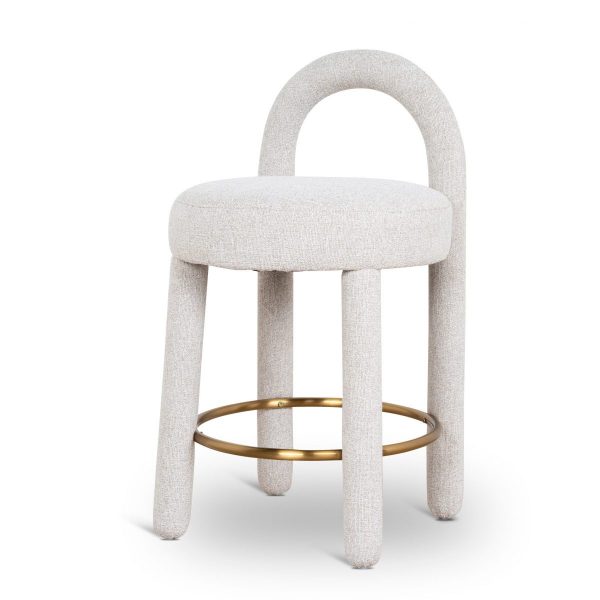

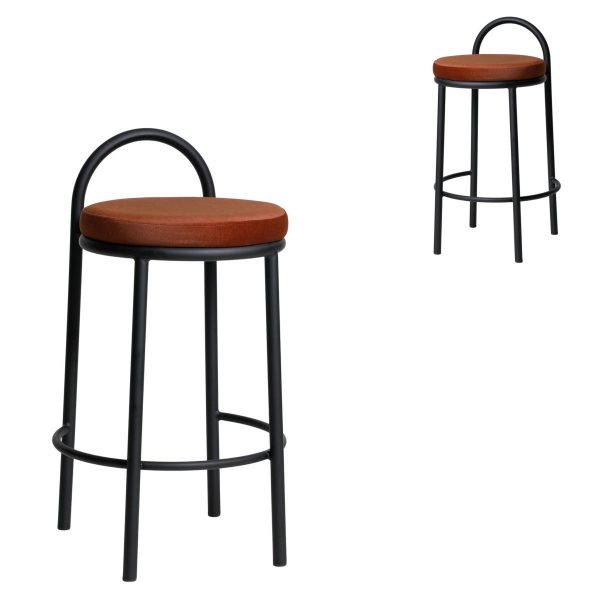
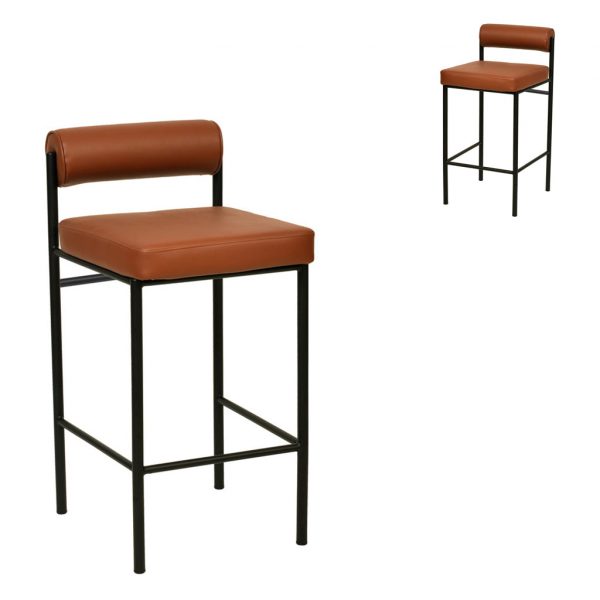
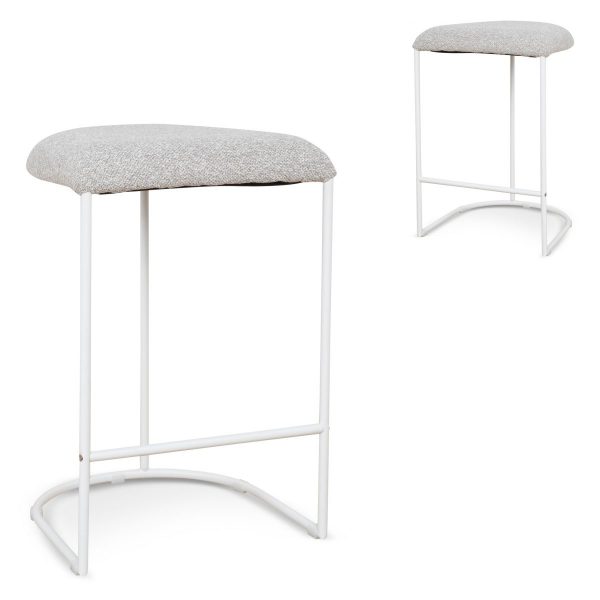
Which fabric details matter at a breakfast bench?
Consider the seat edge, back and places gripped to move the stool as frequent contact areas. Food and drink nearby make the actual care method part of the decision. Read the textile composition and any verified maintenance information instead of assuming all fabric behaves alike.
Do not infer removable covers, washability or resistance to stains from the photograph. Ask about the chosen covering if a particular household need is important. Bouclé counter stools offer a specific looped-texture comparison, not a guarantee of one fibre or performance. Choose the covering whose stated care suits the meal routine you expect to follow.
How should the weave relate to cabinetry and nearby seating?
Compare the textile with the benchtop pattern and any dining chairs visible nearby. A fine weave can provide a quieter layer beside active stone; a stronger texture can bring interest to a simpler kitchen. Assess the rear of the stool as well as its seat, because that may be the main view from the living area.
Look at the full row rather than one sample. Broad covered backs repeat more material than smaller pads. Grey counter stools and beige counter stools help compare neutral palettes across surfaces. Colour should support the textile decision, while the actual covering information tells you what you are choosing.
Does the fabric-covered seat support your counter routine?
Check useful seat width and depth inside any curved sides. Fabric is the outer surface; filling, contour and frame determine other parts of the sitting experience. Read those details separately, especially if the bench is used through longer meals.
Match the listed seat height with the underside and include the footrest position. Then compare the full base and space to pull back, stand and move around the row. Kitchen island stools focus on access beside cupboard doors. The textile should complete a comfortable, workable seat rather than distract from a height or footprint that does not suit the kitchen.
Frequently Asked Questions
Use upholstered counter stools when your next decision concerns filling and padded form rather than fabric itself.