
Timber Bar Stools
Timber bar stools invite a closer look at the way the seat, legs and footrest come together. A wood component can be structural, decorative or part of an upholstered combination, so start with the stated construction rather than assuming an all-timber stool. Then compare the seat shape: a contoured surface and a flat seat can feel quite different at a raised bar.
Read moreRead less
This collection is for the timber construction decision across finishes. If visible grain and a lighter wood appearance are your main priorities, natural timber bar stools offer a narrower direction. Either way, keep the bar height and available knee space central. Material character is useful only when the stool also fits the surface and the people using it.
Showing all 18 resultsSorted by recommended
-
-
-
On SaleOriginal price was: $433.00.$359.00Current price is: $359.00.
-
-
-
On SaleOriginal price was: $1,176.00.$976.00Current price is: $976.00.
-
-
On SaleOriginal price was: $919.00.$763.00Current price is: $763.00.
-
-
On SaleOriginal price was: $295.00.$245.00Current price is: $245.00.
-
-
On SaleOriginal price was: $791.00.$657.00Current price is: $657.00.
-
On SaleOriginal price was: $367.00.$305.00Current price is: $305.00.
-
-
-
-
-


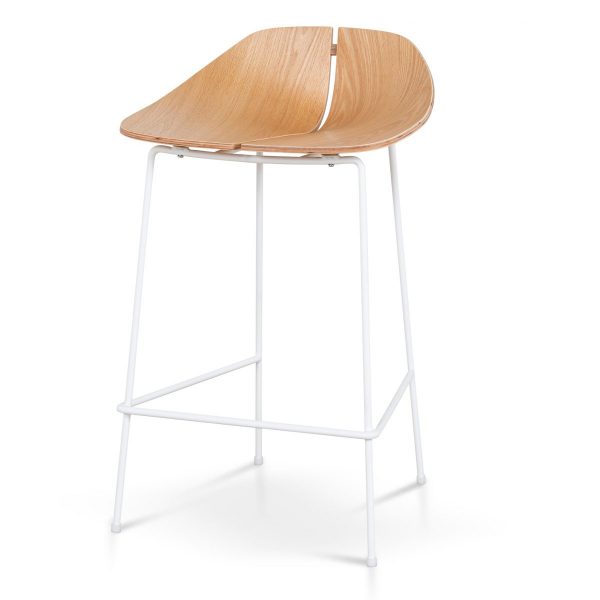
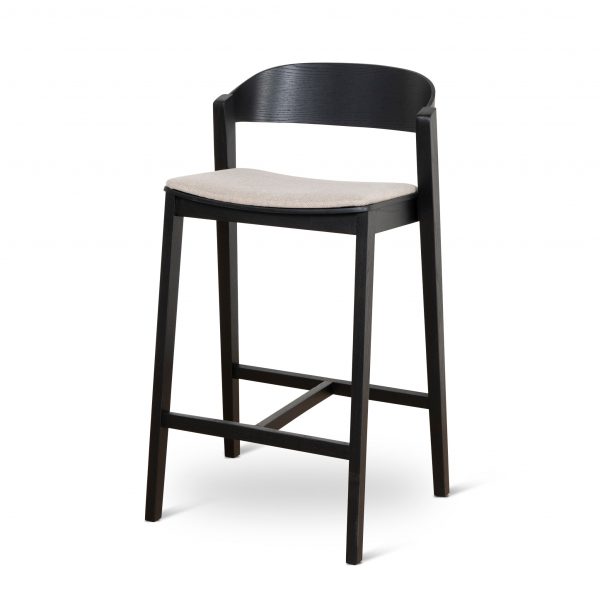
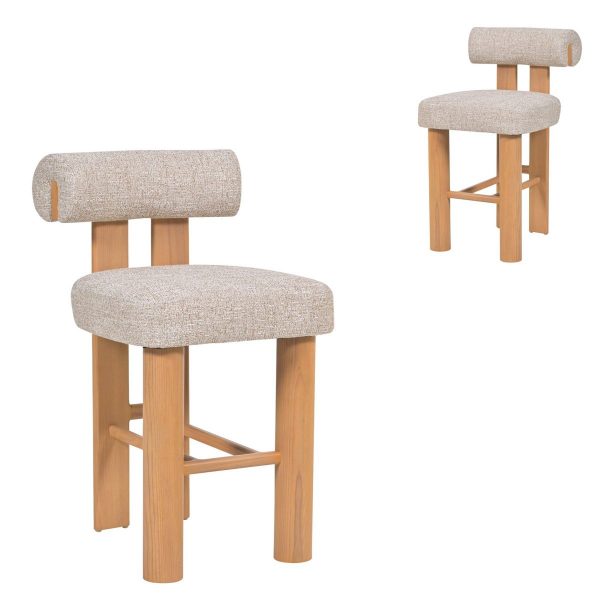
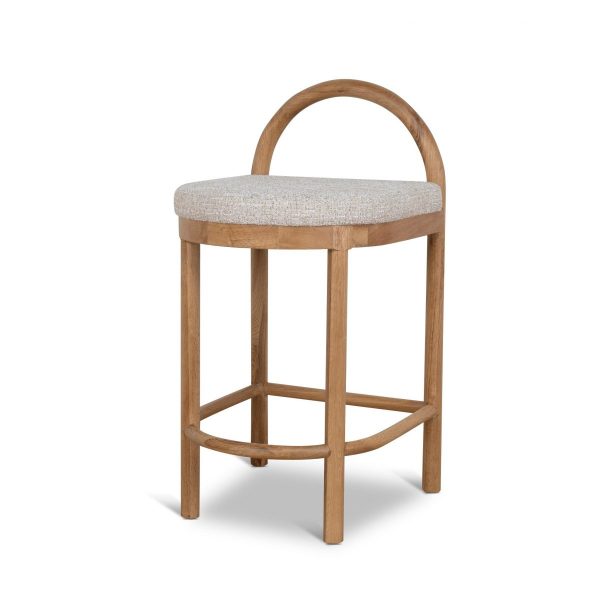
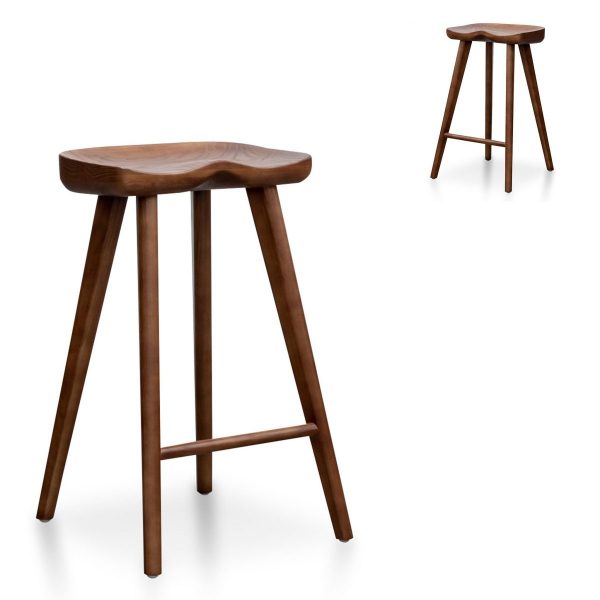
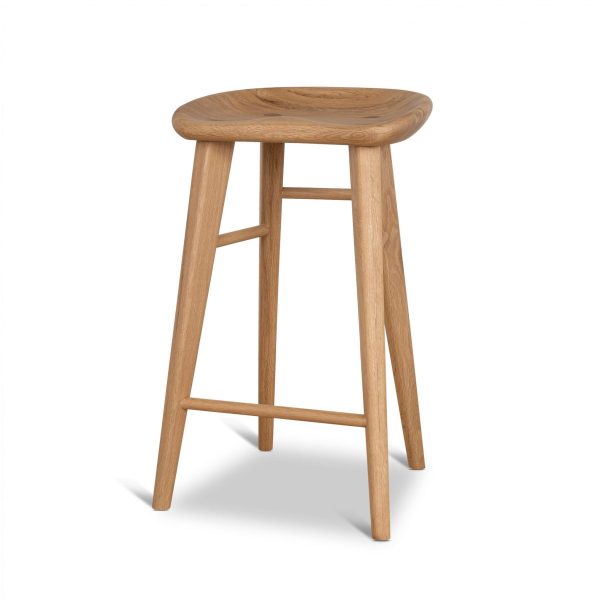
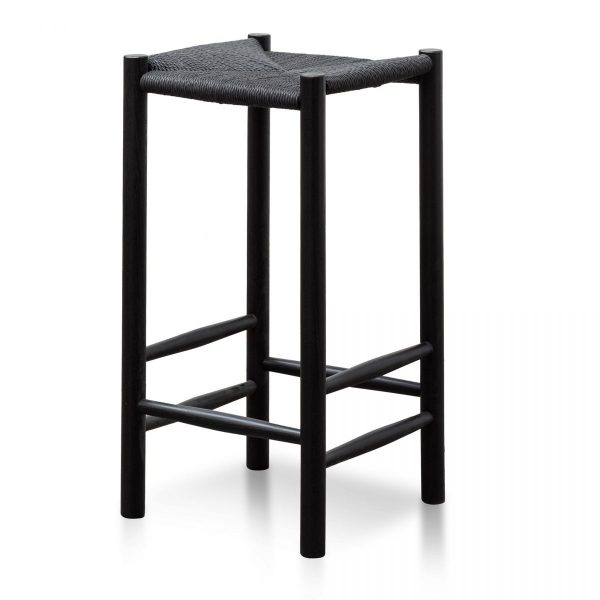
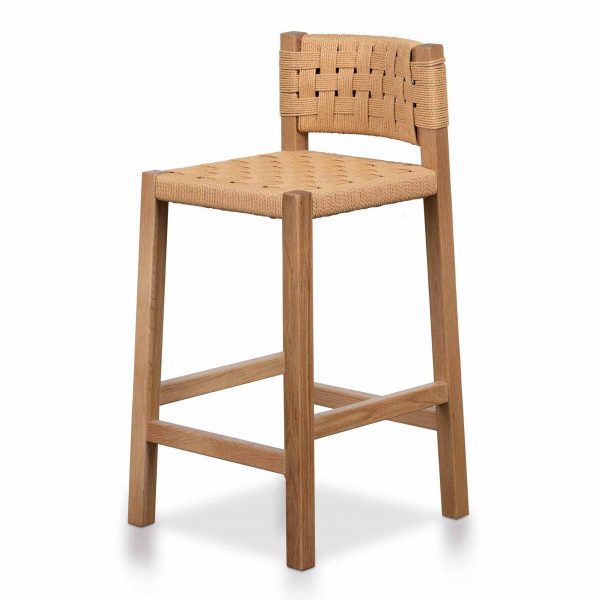
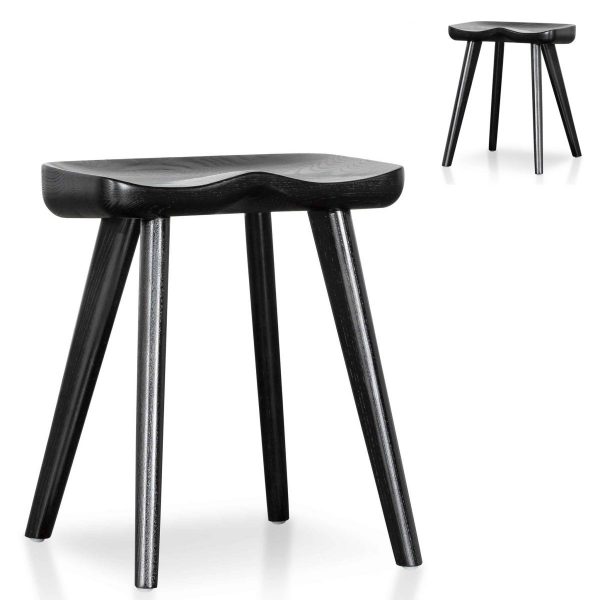
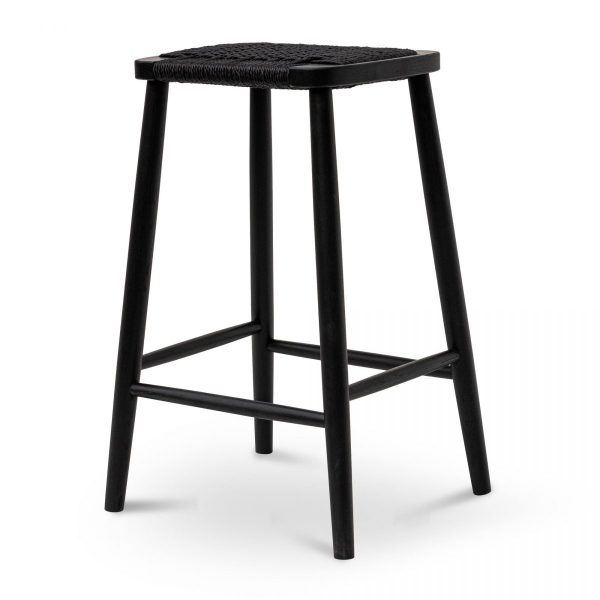
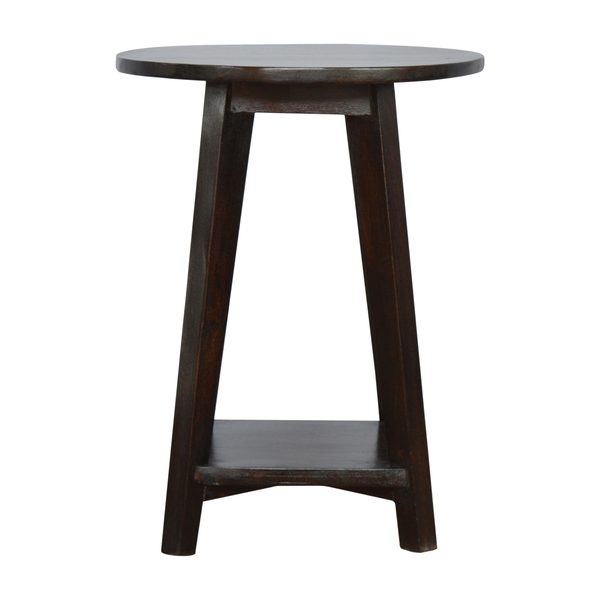
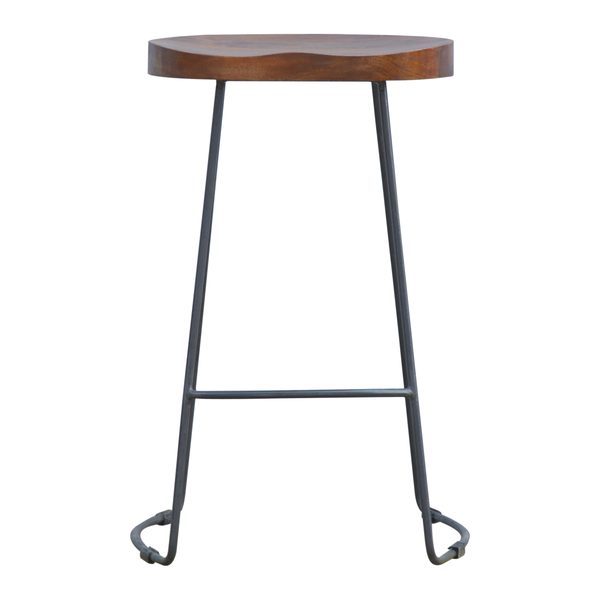
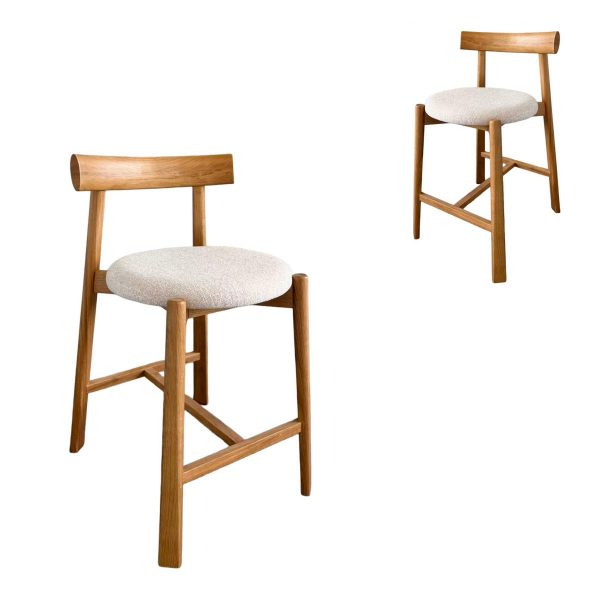
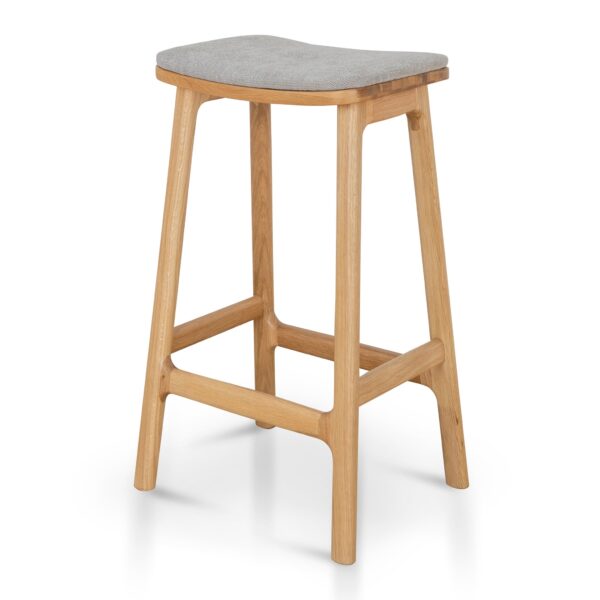
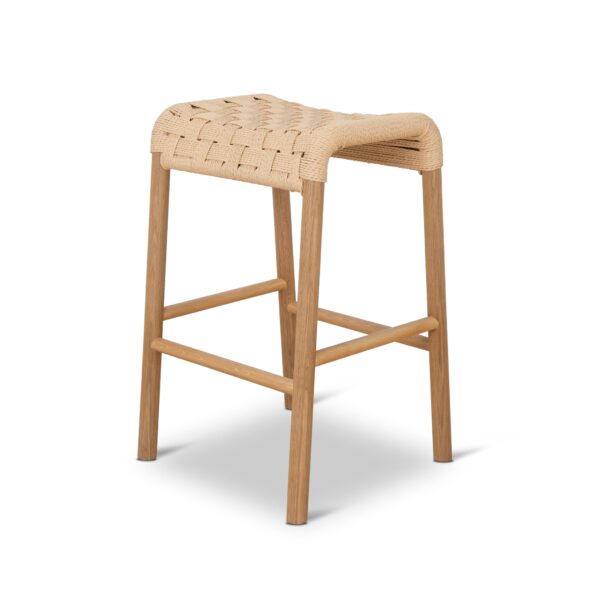
Which components make it a timber stool?
Read the listed materials for the seat, frame and footrest individually. A timber seat on a metal base is a different construction from timber legs with a covered seat. If the description distinguishes solid wood, veneer or other components, preserve that distinction when comparing designs.
Look at the points where pieces meet, including rails beneath the seat and the connection of the footrest. Ask for clarification when a construction detail affects your choice. Read the selected design’s intended use and loading before choosing the timber build, and ask for any capacity or certification information your project requires.
How does a timber seat shape support your position?
Check the usable width, depth and front edge rather than judging comfort from a top-down image. A curved or scooped seat may position the body differently from a flatter one. At bar height, the way your feet rest changes how that seat feels, so compare the footrest and seat together.
If the stool includes a back, look at its angle and contact area as well as its height. If you prefer cushioning, compare upholstered bar stools while retaining the same required height. A timber frame and an upholstered seat can be separate choices; neither should be assumed from the other. Work from the actual specification to the sitting position you need.
Which wood finish belongs around everyday drinks?
The applied finish controls the care approach, not simply the word timber. Read what to do after spills and which cleaning products are suitable. Check separate instructions for any fabric, coated upholstery or metal parts included in the design.
Visually, compare the wood with your floor and bench before choosing a matching or contrasting tone. A painted finish can make the frame read as an outline, while visible grain puts more attention on material character. Black bar stools help explore that stronger dark direction. Keep the base footprint in the decision too, since timber legs or rails may extend beyond the seat and affect how many stools fit.
Frequently Asked Questions
Use mango wood bar stools when a named timber species is part of your brief and needs its own material check.