
Mango Wood Bar Stools
Mango wood bar stools are for buyers who want a particular wood identity in raised seating. Read where mango is specified: the seat, frame or another component changes how much of that character is visible and touched. Technical wood descriptions place mango in a golden-to-light-brown direction, but the selected coating can change the finished appearance. Compare the actual product rather than expecting one exact colour from the species.
Read moreRead less
Then read usable seat height, contour and footrest position with your bar measurements. The timber bar stools guide helps compare the supporting build more broadly. Choose the mango components and finish on a stool whose actual sitting position and full footprint already serve the raised surface.
Showing all 2 resultsSorted by recommended
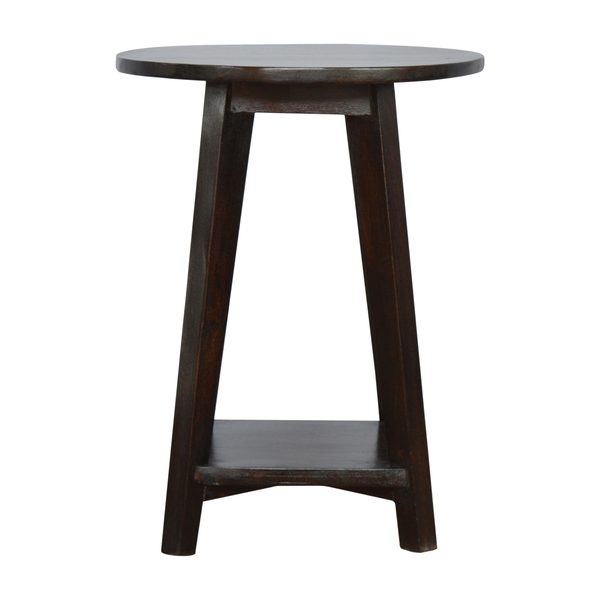

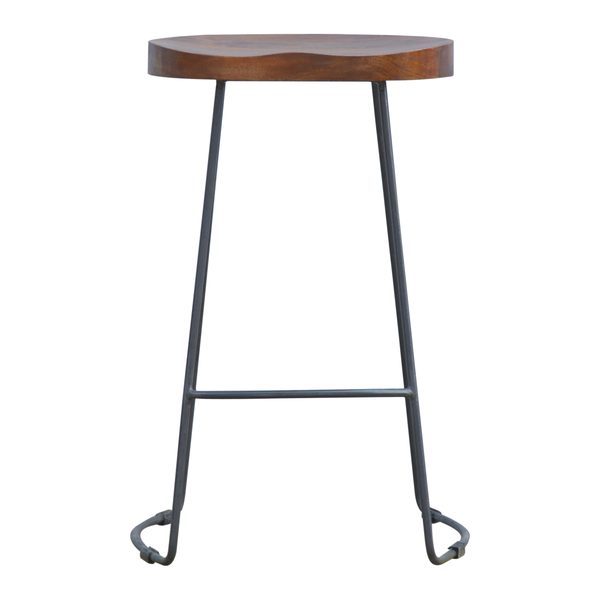
Which mango components will you touch and see at the bar?
Read the seat, frame and footrest descriptions separately. A mango seat on another base material creates a different amount of visible wood from a predominantly timber frame. Check any solid timber, veneer or supporting-material information, including the parts hidden beneath the seat. Ask for a missing component detail when the wood build decides the purchase.
Review the actual grain on the seat and tall supports in full-product views. A small close-up does not show how much wood the row contributes above and below the bar. Compare the joints and contact edges with that finish rather than assigning strength from a thick-looking timber part. Confirm documented loading and intended use separately before choosing the selected mango construction.
How should you compare grain with your existing timber?
Compare the finished stool with the floor, dining furniture and benchtop together. These may carry several wood tones, so decide which relationship should lead. The selected coating and visible grain can differ from a general species colour description. Review top and rear views of the actual design, then ask about expected variation if several stools need to coordinate.
A clear contrast can be more deliberate than an uncertain near match. The natural timber bar stools guide helps compare visible grain more broadly when exact species is less important. Choose how much wood character should appear across the seat and supports, keeping the bar’s permanent surfaces in the same view instead of judging one isolated material sample.
What makes the timber choice work as a bar seat?
A timber material does not decide seat comfort. Check the contour, front edge, usable width and how your body sits above the footrest. If the seat is upholstered, read the covering and filling information separately from the mango wood component.
Compare the complete base with the space around your bar. Splayed timber legs can extend beyond the seat and affect spacing between stools. Protect the finish using the stated care guidance, especially around drink spills and floor contact. Bar and counter stools help settle height if your surface is still being planned. Choose the material after the seated position and footprint have a clear place in the room.
Frequently Asked Questions
If the wood species is less important than a padded seat, compare upholstered bar stools with the same height and footprint requirements.