
Natural Timber Bar Stools
Natural timber bar stools put the appearance of wood at the centre of the choice. Visible grain can connect seating with a timber floor or bring warmth beside stone and painted cabinetry. The word natural describes a visual direction here; it does not establish that the wood is untreated, uncoated or solid throughout. Check the actual material and finish before making those assumptions.
Read moreRead less
Decide whether the stool should echo a nearby timber or introduce a clear contrast. Then consider how its seat and footrest support a raised sitting position. Use timber bar stools for a broader construction comparison, and keep your bar measurements beside both collections while narrowing the finish.
Showing all 14 resultsSorted by recommended
-
Week’s PickOriginal price was: $433.00.$359.00Current price is: $359.00.
-
On SaleOriginal price was: $791.00.$696.00Current price is: $696.00.
-
-
-
-
-
-
-
-
-
-
-
-


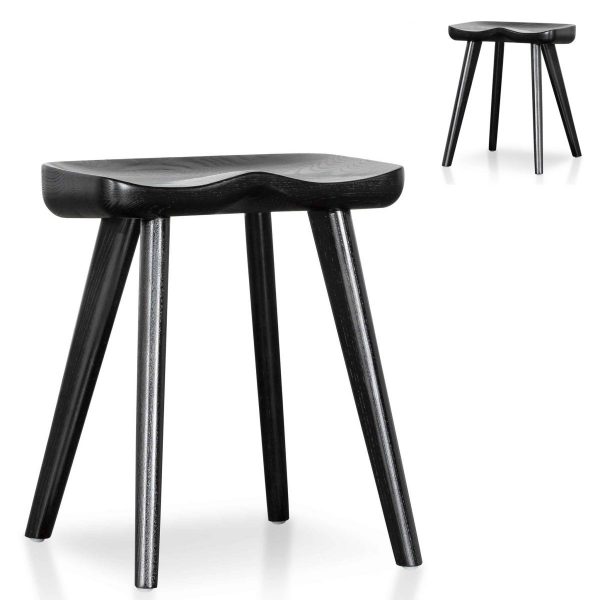
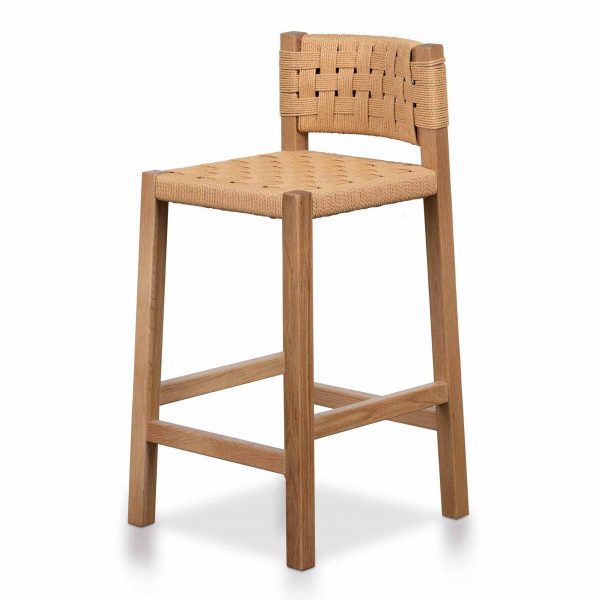
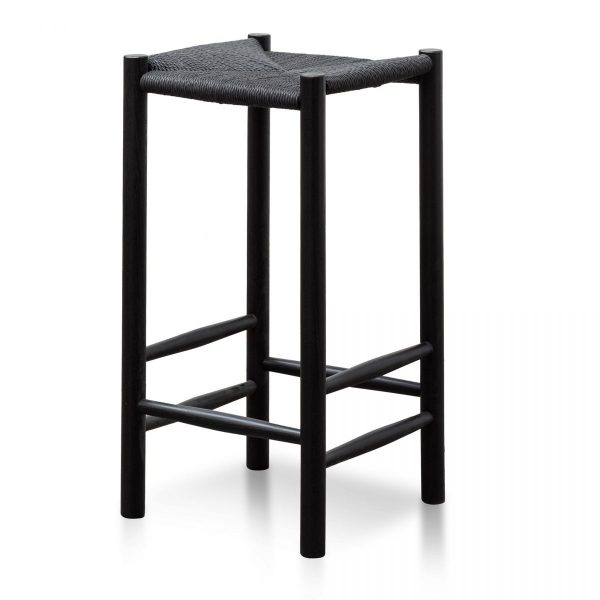
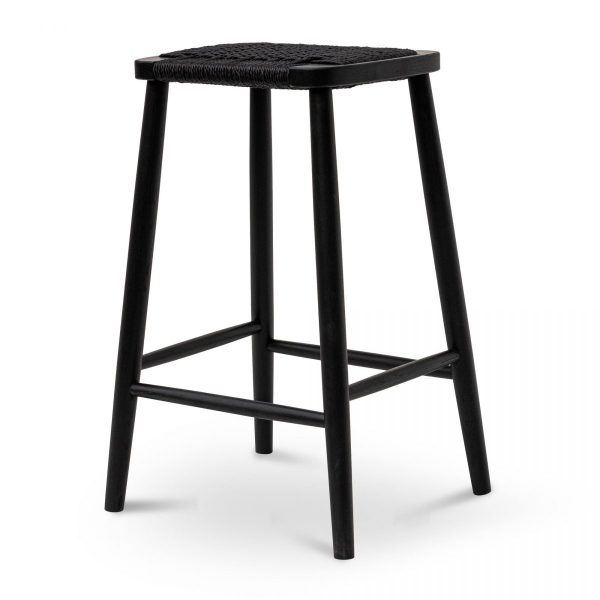

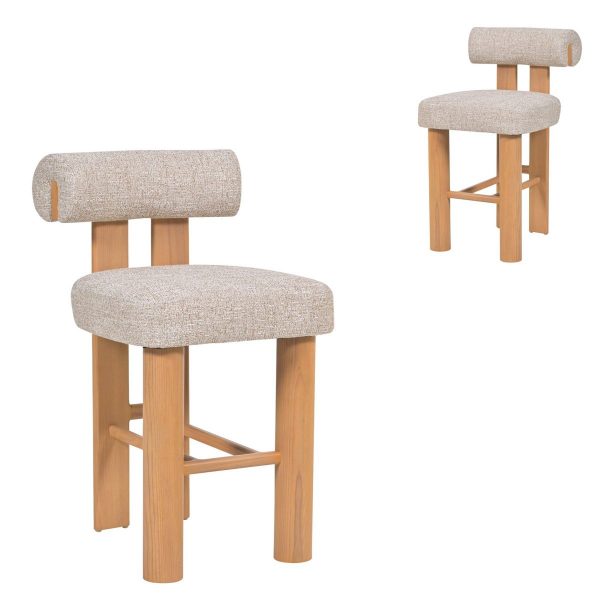
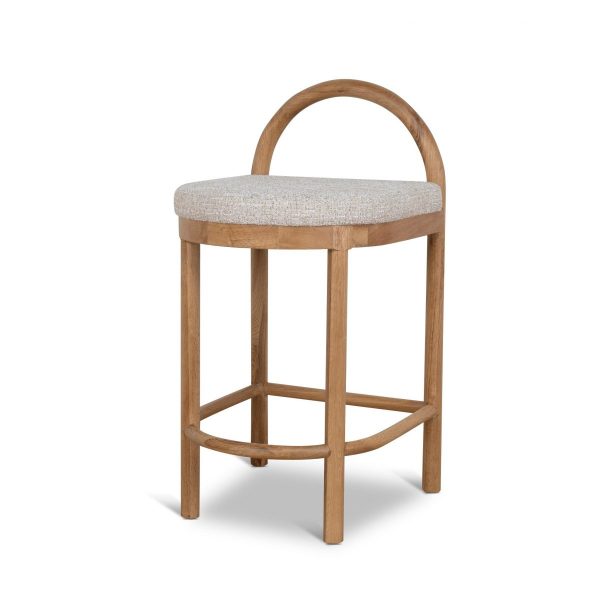
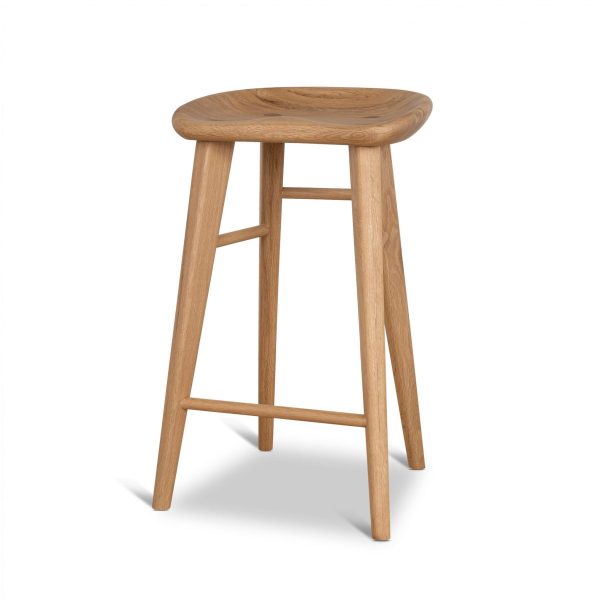
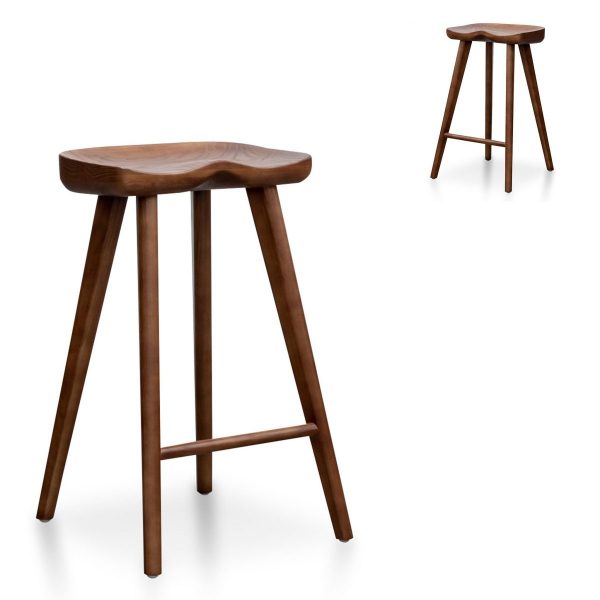
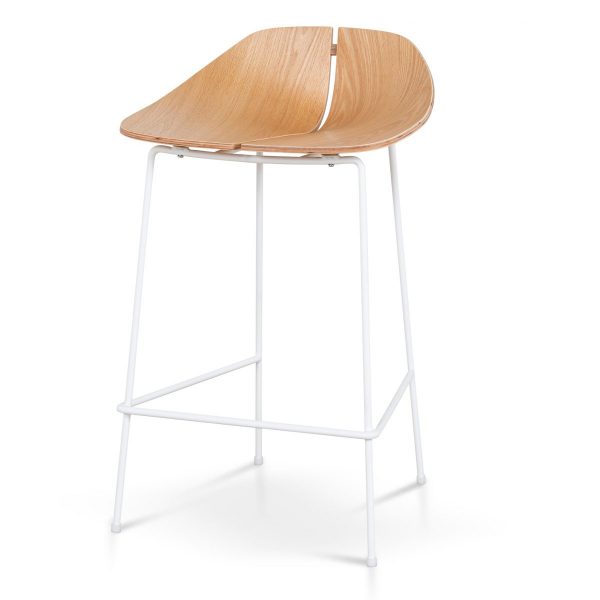
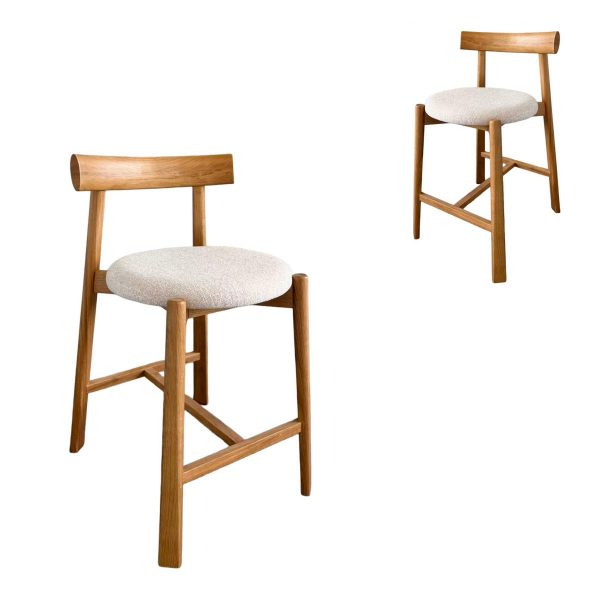
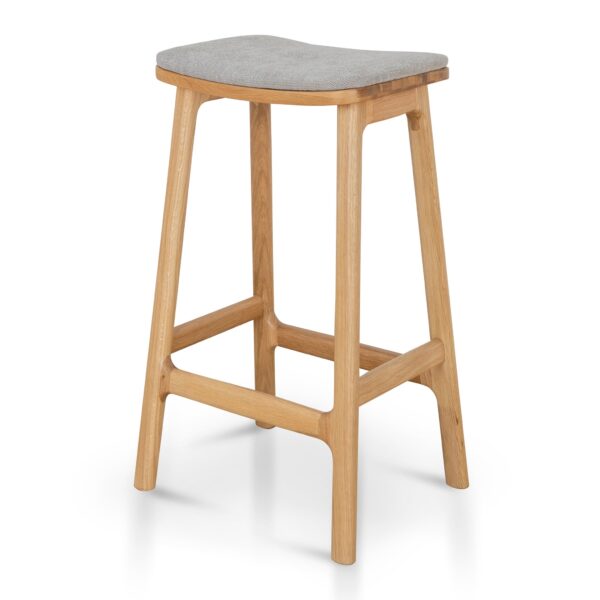
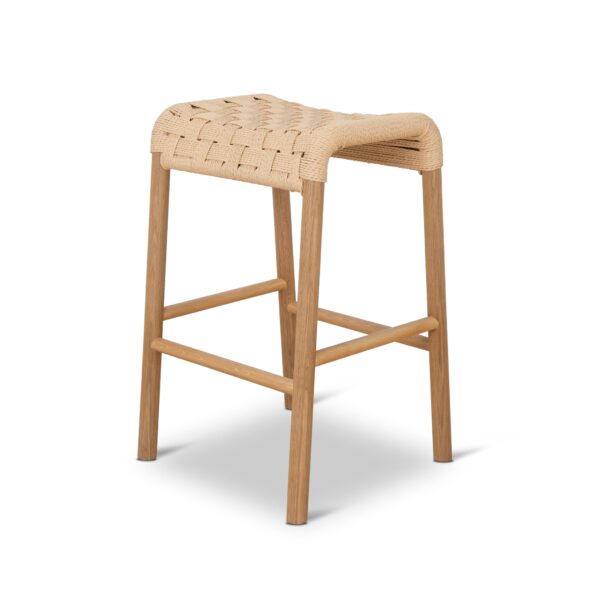
How does visible grain relate to your room?
Assess the timber appearance against the largest fixed wood surface, often the floor. Similar warmth can connect the pieces even when the species and grain differ. An uncertain near-match may draw more attention than a clearly lighter or darker timber, so decide on the relationship deliberately.
Include the bench and nearby dining furniture in that view. Too many pronounced grain patterns can compete, while a simpler seat shape may let the material remain the main feature. Look at the frame from the rear as well as the front. A timber stool contributes grain through its full visible form, not only the small area shown in a close-up photograph.
Does natural appearance tell you how the stool is built?
No. Read whether the named components are solid timber, veneer or another stated construction, and identify any upholstered or metal parts. A visible grain surface should not be mistaken for one construction method. Check the joints where the seat, legs and footrest meet.
The finish also deserves its own description. Clear or tinted coatings can preserve a wood appearance while changing colour and care requirements. If species is your reason for choosing, compare mango wood bar stools and confirm the named component there. For a room-wide match, compare the finished tone across the seat and legs, then choose how much grain should connect the floor and benchtop.
What should you check where hands, feet and drinks meet wood?
Follow the actual finish instructions for wiping spills and cleaning the seat edge. The top of a footrest and the points where you grip a stool to move it can experience frequent contact. Treat those areas according to the product’s guidance rather than assuming all wood responds to the same products.
Comfort still comes from the seat contour, usable dimensions and footrest position. Check the height against the bar underside and allow room for the full base. If a hard seat is not what you want, upholstered bar stools offer a separate support comparison. The warm material should be part of a practical sitting arrangement, rather than the only reason the stool is chosen.
Frequently Asked Questions
Compare brown bar stools if your priority is a warm colour across different materials, rather than visible timber grain specifically.