
Side Tables
Side tables are easier to choose when the seat and everyday objects are already in place. Start with the sofa or chair you use, notice where your hand naturally reaches, and list the things that need a surface. The missing job might be somewhere for a drink, space beside a reading lamp or a home for small belongings.
Read moreRead less
Measure that useful position before looking for a matching finish. The wider side table guide helps you compare forms and proportions. The advice here focuses on adding a table around existing furniture, so you can improve the routine without rearranging the room just to accommodate a new piece.
Showing 73–94 of 94 resultsSorted by recommended
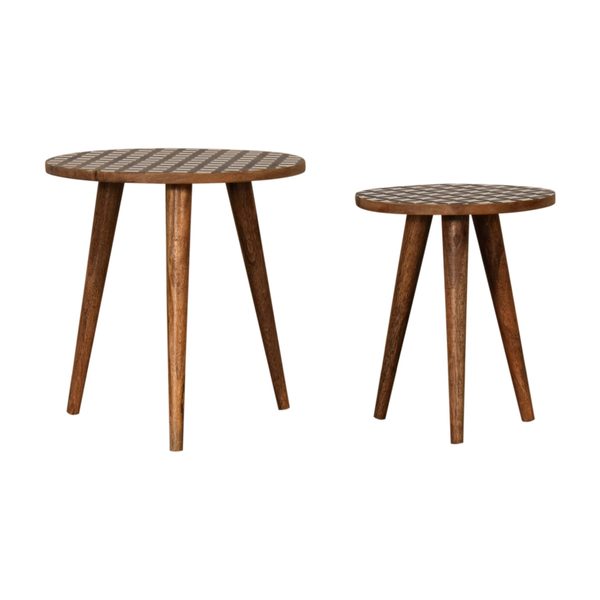


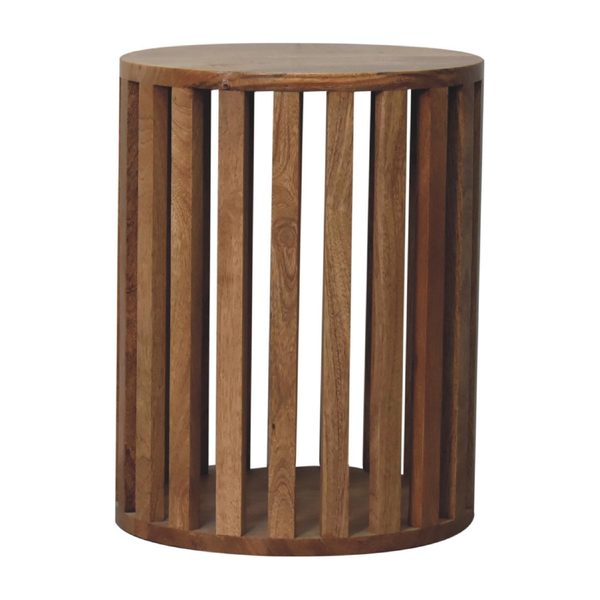
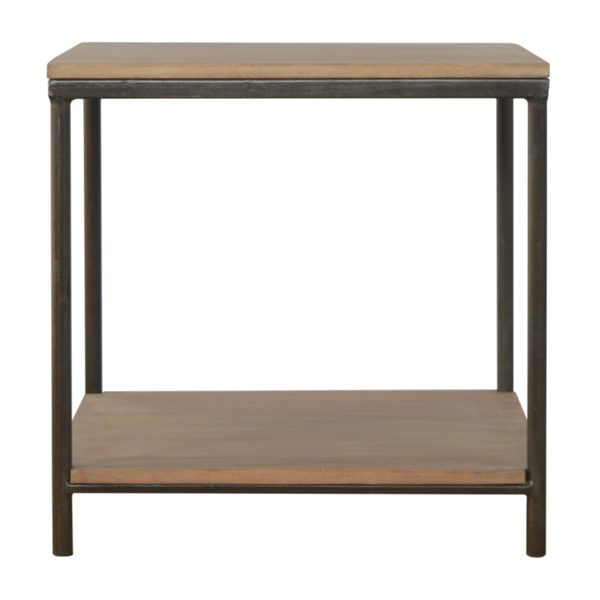

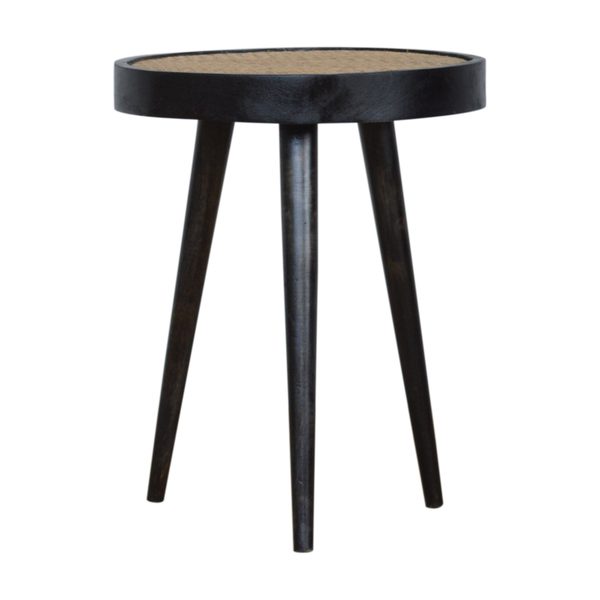
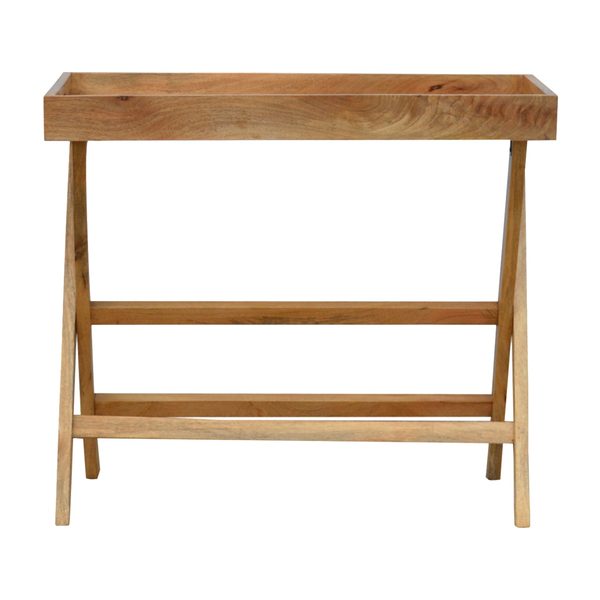
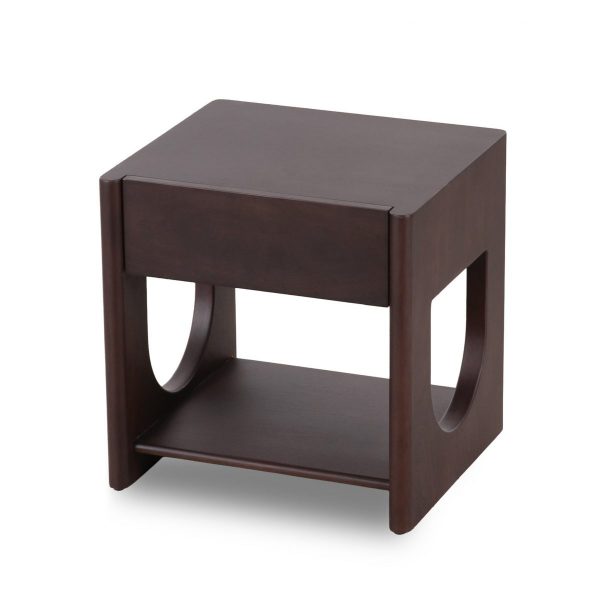

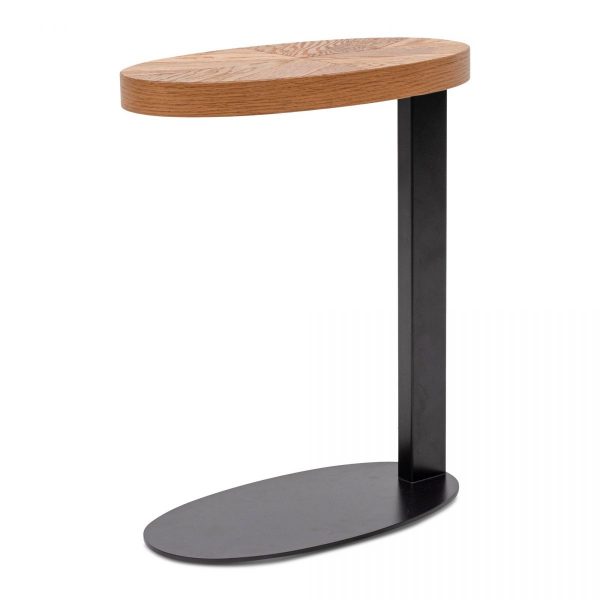

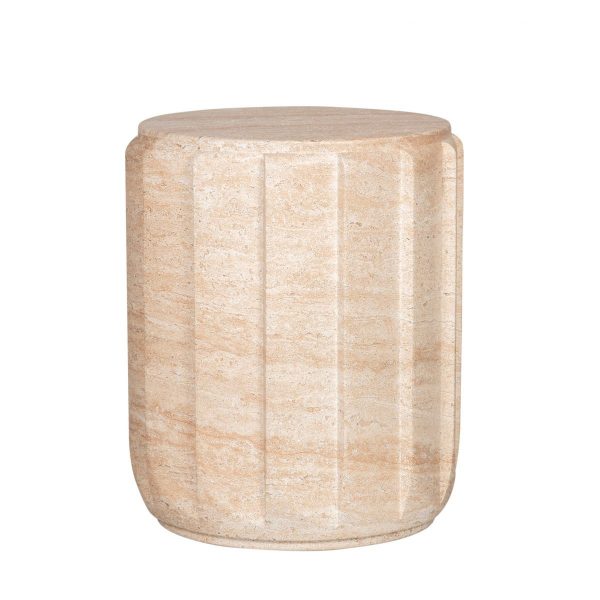
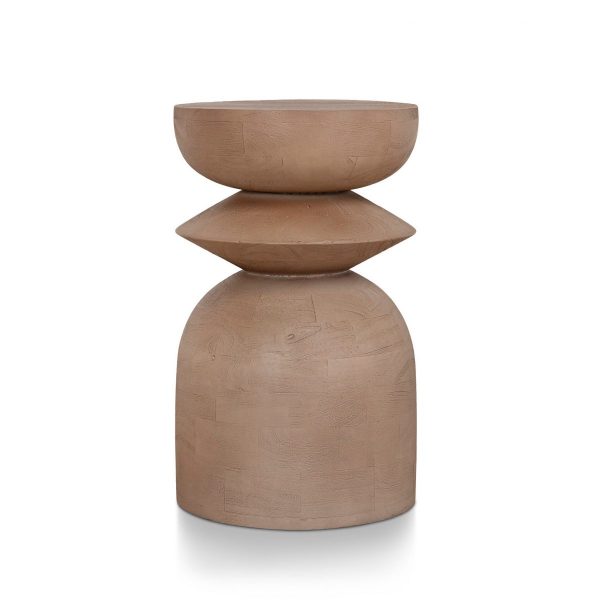
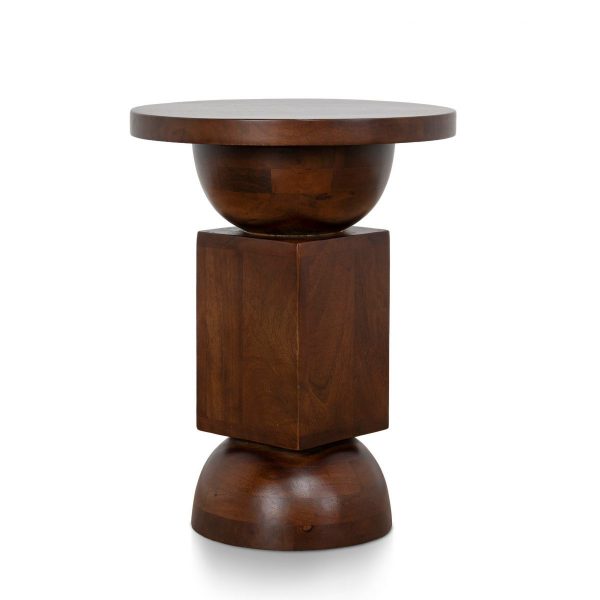
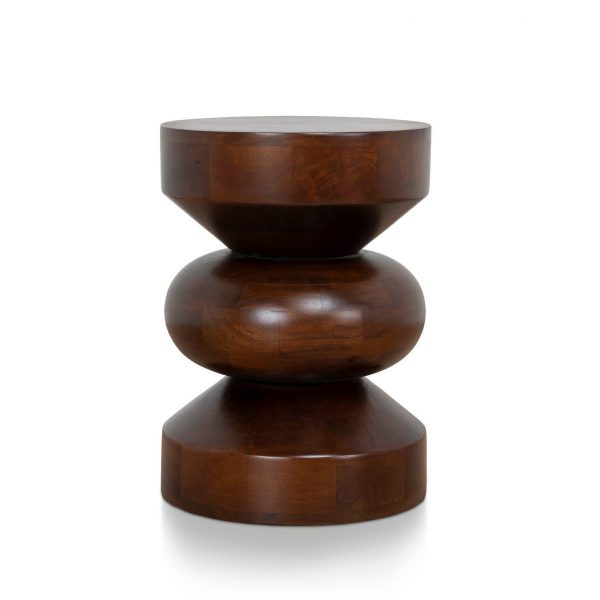
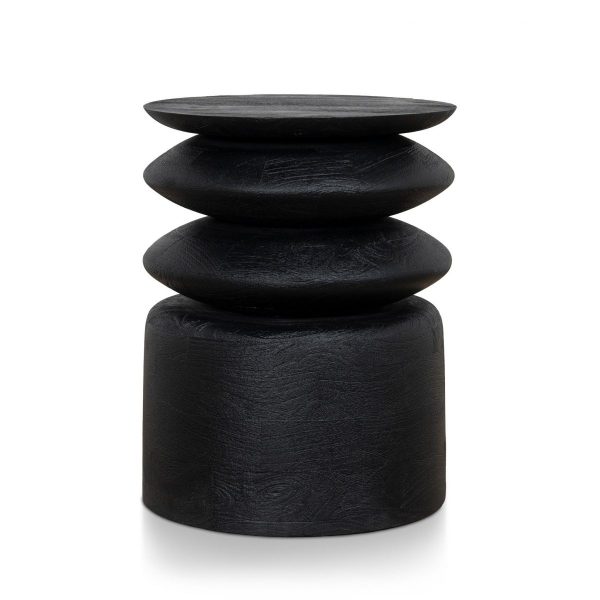
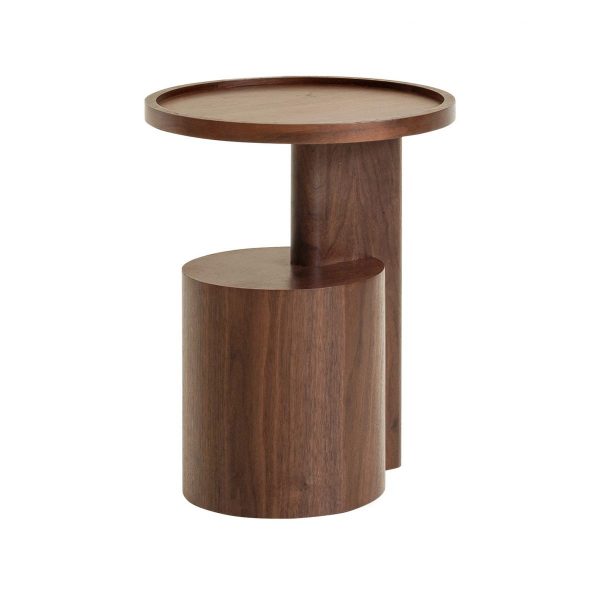
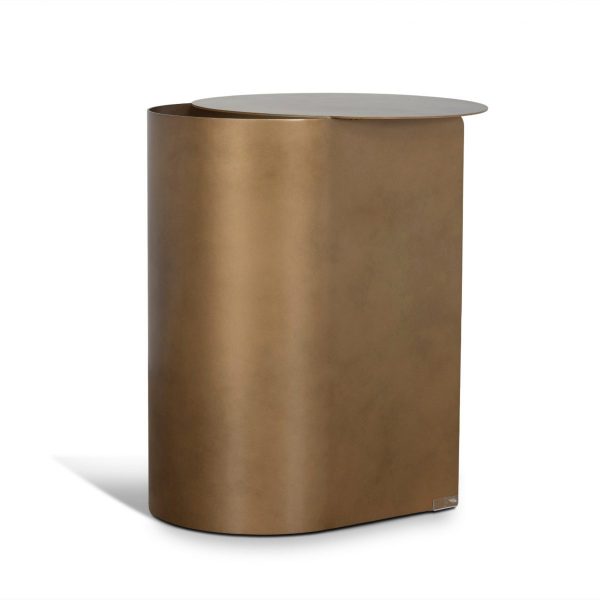

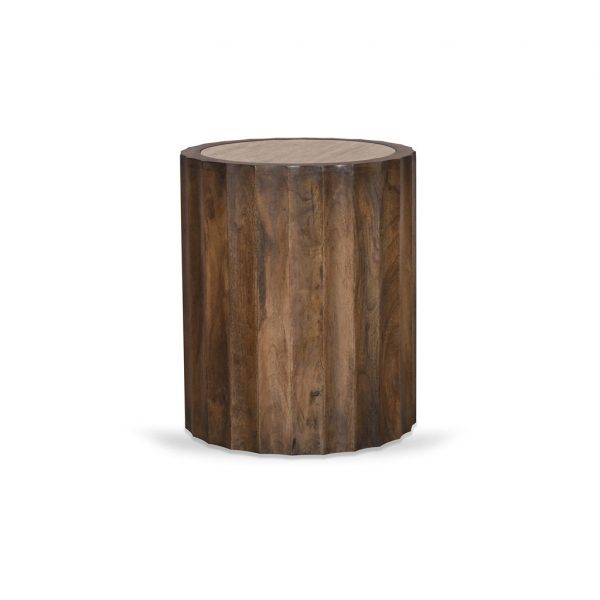
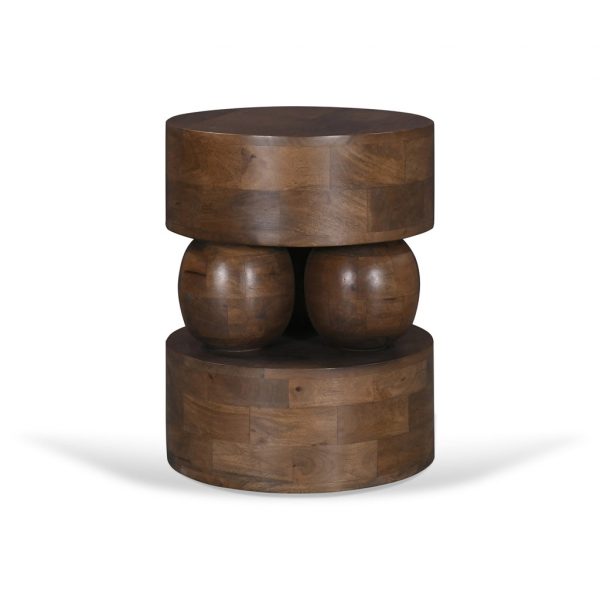

Which existing item sets the practical reference?
Record the actual seat height, arm and the position from which you reach. Then measure the lamp base, book, drink or other items that need to share the surface. What you already use gives the table a clearer brief than an empty room gap.
A small landing place and a surface holding several items can need different top dimensions. Small tables refine the compact task, while sofa tables focus on a particular seating arrangement. Compare the items together, including room to lift them. If the lamp already occupies most of the available area, consider a broader top or storage beneath it rather than balancing smaller belongings around the edge.
Can the new table fit without rearranging ordinary movement?
Mark the proposed full base with the existing chair or sofa occupied. Include room to enter, rise and pass, plus any storage openings in the actual table. Compare furniture dimensions separately from packaging when access for setup matters.
Check the top position within that footprint; a surface may look close while a broad arm or another object makes reaching inconvenient. If a lamp is kept, plan its lead away from the route. Choose a form that serves the existing arrangement rather than simply fills the gap. Test a normal seated moment: putting down a cup, reaching for a book and then standing. If one action remains awkward, adjust the position or compare another depth before deciding the table fits.
How can the table belong visually without matching every finish?
Choose one deliberate tone or texture relationship with the existing furniture, then verify the actual materials. Natural timber tables focus on grain, and black tables provide a defined dark accent. Either role still needs the same useful reach and surface checks.
Read top and base care separately where their finishes differ. Similar appearance to a sofa arm or another table does not establish identical cleaning or loading. Follow stated use and assembly rather than infer seating from the shape. If several existing finishes are in view, choose one main connection for the new table. A shared curve, timber warmth or colour depth can link it to the room without requiring every detail to match.
Frequently Asked Questions
Explore tables with storage when putting away nearby items is the missing role after seated reach and surface space are clear.