
Round Side Tables
Round side tables offer a curved surface beside a chair or sofa, with no long edge to set their orientation. Begin with the diameter and the objects you want to keep nearby. A lamp placed in the centre can leave a different amount of usable space around it from a lamp placed closer to one side.
Read moreRead less
Compare that arrangement with your seated reach, then check the complete base beneath the circle. The wider side table guide helps with height and access. Here the focus is fitting objects within a curved edge and choosing a position that works when the seat is occupied, alongside the route past it.
Showing 31–32 of 32 resultsSorted by latest
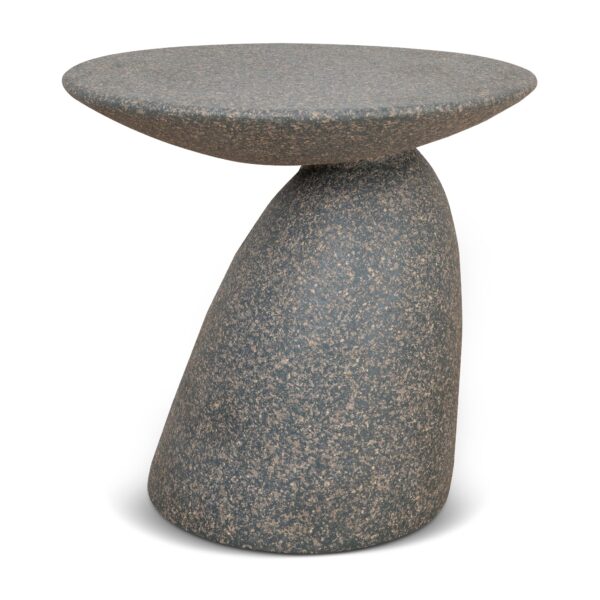
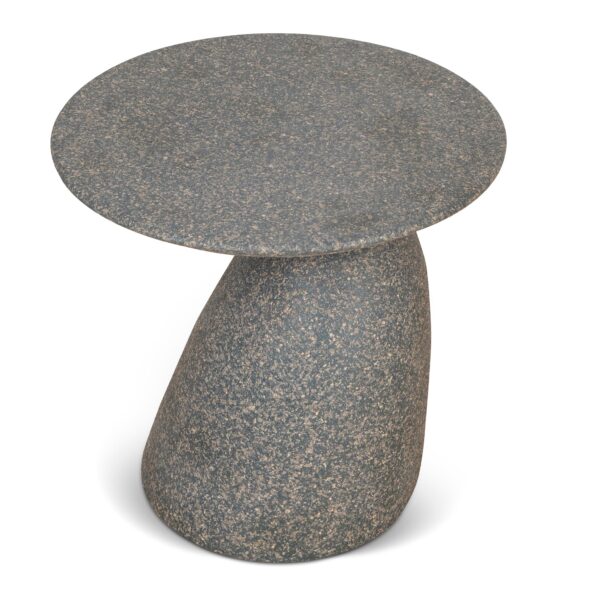

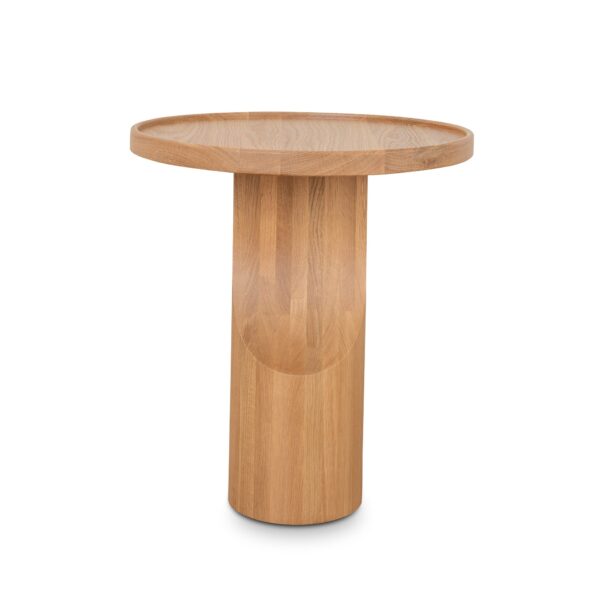
What fits usefully within the top’s diameter?
Measure everyday objects together inside the actual surface, leaving room to put down and pick up a cup or book. At the edge, a round top gives a different placing area from a square of similar outside width. Do not compare them using one dimension alone.
Include any stated lip or other top detail that changes usable space. A lamp may take the central area and leave less convenient room around it. Square tables offer a straight-edge comparison, while oval tables provide a longer curved direction. Try a paper outline of the top with your actual objects. A wide lamp base and rectangular book may need more placing room than a photograph of a single small cup suggests.
Where should the circle sit relative to the seat?
Compare the top with comfortable reach from the chair or sofa, including arms and the position where your hand will put items down. The useful height and distance depend on the actual seat, not a universal table rule.
Mark the full base and movement to enter, rise and pass. A curved top does not remove floor-space needs, and the support may project differently beneath it. Sofa tables refine that particular relationship. If the table sits between two seats, check the reaching position from both. Keep the items used most often towards the accessible part of the curve, leaving clear space to pick them up.
What support and care belong beneath the curved surface?
Read actual top, frame and base materials separately, following assembly and stated use. A round table need not have one central support or a shared loading limit. Keep any pedestal, legs or storage components accurate in the comparison.
Follow the chosen finish’s care for drinks, plants and ordinary handling, with any lamp cable away from the route. Pedestal tables offer a specific support comparison where that is the brief. Check the floor position with feet beside the seat and someone standing up. Keep the lamp cable clear of those movements, then choose surface protection according to the actual finish and the items it will hold.
Frequently Asked Questions
For a longer curved surface, compare oval side tables with the same objects and reaching position.