
Pedestal Side Tables
Pedestal side tables make the central support part of the room’s visual character. Look at the whole design: the top, the support beneath it and the base where it meets the floor. Their proportions can differ, and a small top may still have a broad base beside your seat.
Read moreRead less
Choose a position for the surface first, then check where the lower structure sits around your feet and the route into the chair or sofa. The wider side table guide helps with height and reach. Here the focus is the pedestal’s complete outline, useful top and everyday access, so its sculptural shape fits a practical sitting arrangement.
Showing all 10 resultsSorted by recommended
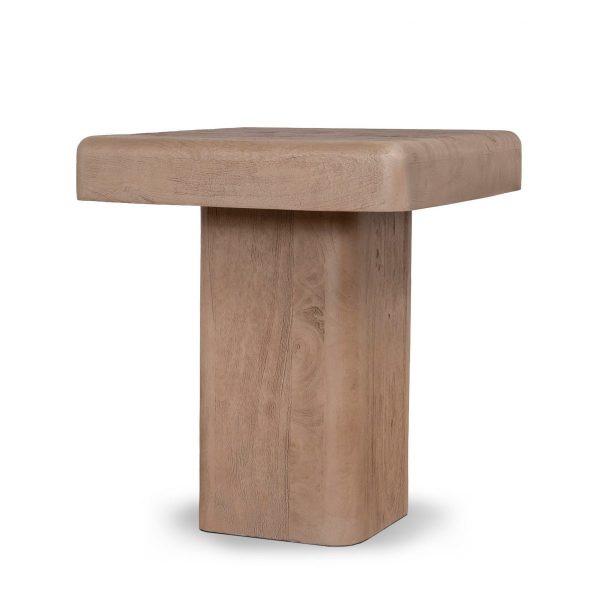

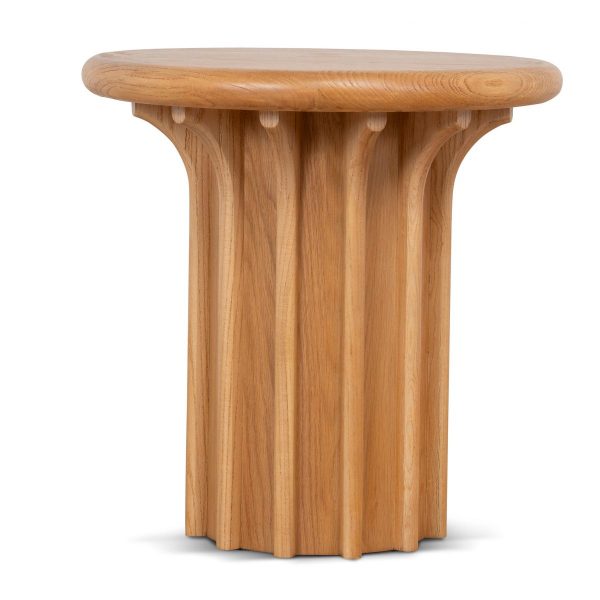
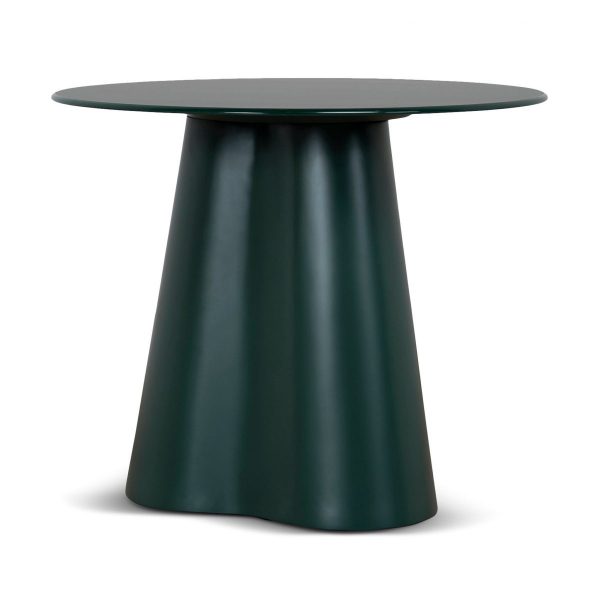
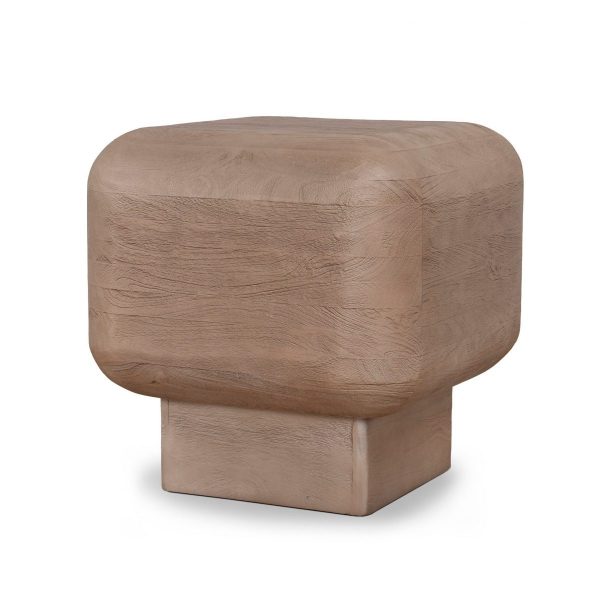
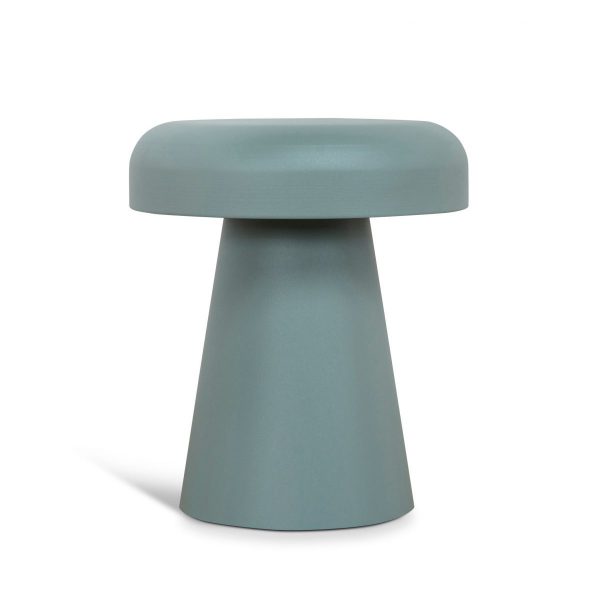

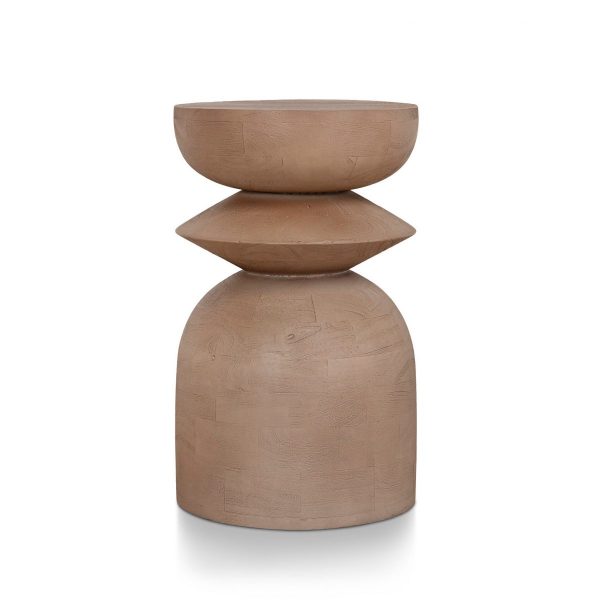
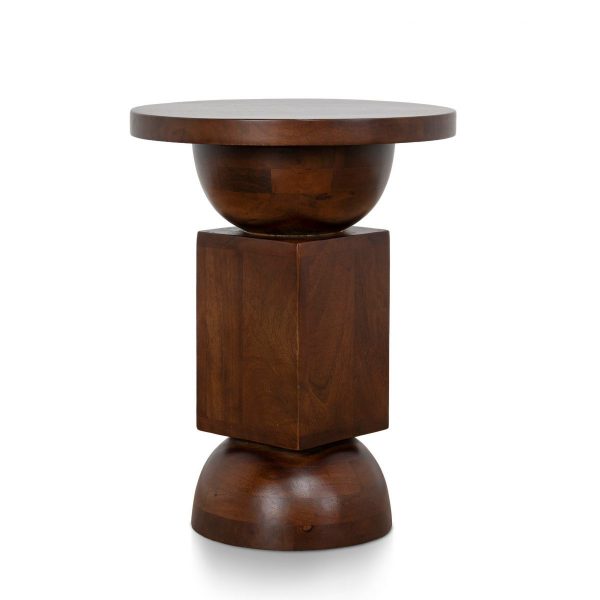
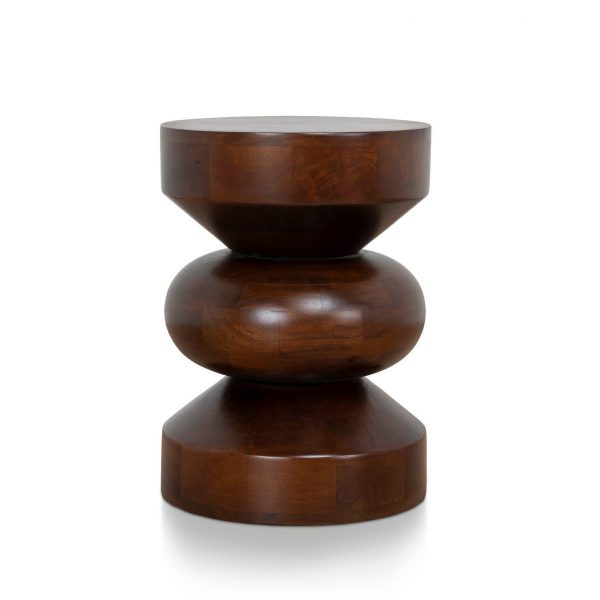

How do top, support and base differ in size?
Read all actual dimensions and available views for the top, central support and base. A small top can sit on a broader base, while another design may project in a different direction. The support should be understood as the complete structure, not an isolated column.
Mark the full base beside the chair or sofa, keeping room for feet and movement to rise. Compare the useful top’s position separately from that footprint. Round tables offer a curved top comparison but still need their own base measurements. Check whether the top can sit close enough to the seat while the base stays clear of your feet. Compare its edge position with the sofa arm and where you turn to stand.
Can the top provide a comfortable landing place?
Compare height with the actual seat and test where a hand would reach around arms or other furniture. Measure lamp, book and drink together within usable top space. A striking pedestal shape should not distract from a surface too small or distant for the routine.
Check loading and intended use in the individual description, without treating a substantial base as a performance rating. If storage matters, verify it only where stated; a pedestal label does not supply compartments. Tables with storage provide that separate comparison. If the central support is visually strong, leave enough of it visible to appreciate the form. Place the lamp and smaller objects so they remain easy to use, rather than arranging them only for symmetry.
What assembly and floor placement does the actual base need?
Follow the selected design’s assembly and placement guidance. Check whether the top and support are supplied as separate components and what setup is required, using actual instructions rather than a guessed connection from the photograph. Do not infer seating use from the form.
Read materials and care for top, column and base separately where they differ. Mark occupied movement and any lamp cable route near the base. Small tables refine the compact-surface task when the actual base still fits. Check how the table will be placed on your actual floor surface, following its setup guidance. Keep cables clear of the lower structure and leave enough room to clean around the base without moving nearby seating.
Frequently Asked Questions
Use sofa side tables when the next decision is the central-support table’s relationship with the actual seated position.