
Rattan Shelving Units
Rattan shelving units should be compared through the exact material component and the shelves that support your contents. Read where rattan is used in the actual design, keeping frame, shelf surfaces and other parts separate. A textured appearance does not establish an all-woven structure or its loading.
Read moreRead less
Then decide how that detail relates to the room’s timber and textiles. The texture can be a focal layer or a quieter connection according to the full form. Bookcases and shelving cover broader layout and support. Compare the rattan left in view once the unit is filled. It may frame the contents, add a patterned panel or provide another named detail. The amount and position of that texture matter alongside the useful shelf gaps and access to the parts you will clean.
Showing all 2 resultsSorted by recommended
-
On SaleOriginal price was: $312.00.$296.00Current price is: $296.00.
-
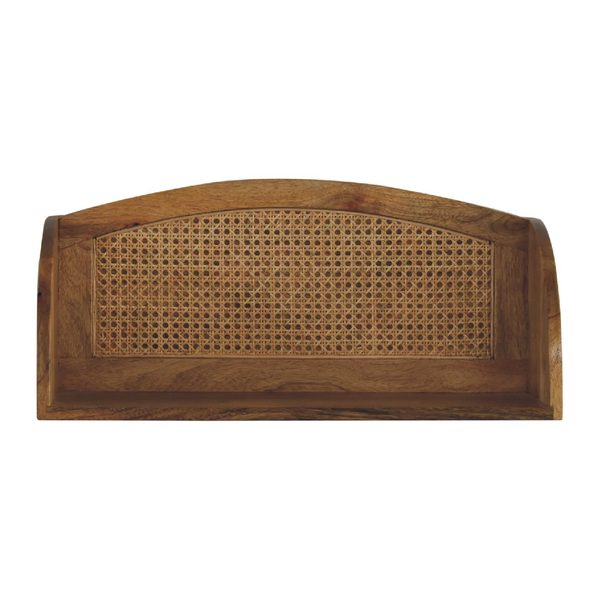

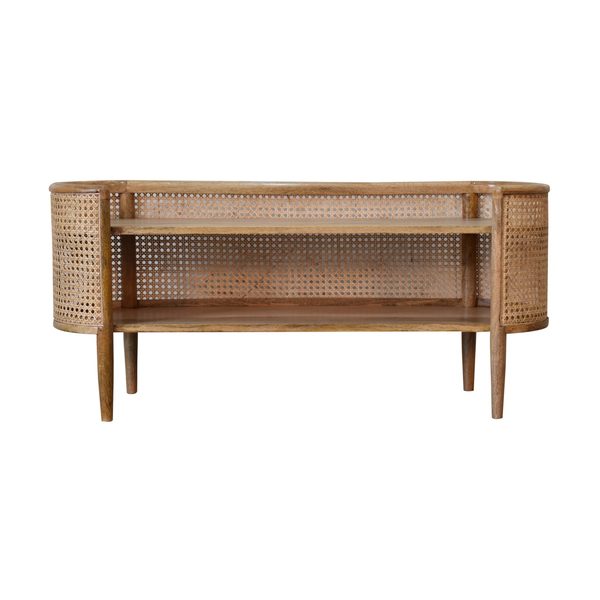
Where is the rattan and what supports the contents?
Read the specification for frame, actual shelves and any other component. Clarify natural or synthetic descriptions rather than collapse different constructions into one claim. Rattan detail alone cannot identify the shelf surface or establish capacity.
Use available views alongside the written information, asking about unclear parts when material is the reason for choosing. The individual unit’s stated loading and installation still govern support. Do not judge strength from an open or dense-looking weave. Identify the actual surface beneath the books or objects, then look at the rattan around it. A separate smooth shelf and a textured detail can serve different jobs, with their own care instructions and visible relationship to the contents.
How much texture belongs around visible storage?
Compare the full unit with books, boxes and display objects, not only a weave close-up. A pronounced texture can add interest to plain contents, while several active patterns may need a quieter frame. Assess the room’s textiles and other furniture in that view.
Colour remains another attribute: rattan does not establish one beige or brown tone. Natural timber shelving offers a visible-grain alternative if that is the material relationship you want. Keep useful compartments fixed while choosing texture. Look at the scale of the rattan pattern beside book spines and textile patterns. A calmer grouping of contents can leave the material more visible; a fuller shelf may show mainly the rattan on its sides or frame.
Can you maintain the rattan detail and reach the shelves?
Follow instructions for the stated rattan component and finish, keeping other shelf or frame materials separate. Do not choose soaking, strong sprays or oils from a general material rule. Natural and synthetic details may have different care, and the actual design should guide the routine.
Measure useful gaps and full base, then plan access around nearby furniture. Follow assembly and securing instructions, without inferring outdoor use from texture. Shelf decor refines the visible arrangement after support works. Check how to reach the detailed parts for their approved dust removal and cleaning. Where there are small recesses or openings, leave access around them even when the useful shelves are filled.
Frequently Asked Questions
Explore timber shelving units for another construction comparison with the same contents and room requirements.