
Rattan Coffee Tables
Rattan coffee tables bring woven detail to the seating area, but the useful decision starts with where that detail appears. A woven side panel, base or top creates a different relationship to drinks and everyday objects. Check the actual working surface before choosing the texture. The table needs a supported place for your tray or cup as well as an appearance that suits the room.
Read moreRead less
Use this collection to compare weave scale with your rug and upholstery. Read the materials for frame, panels and top separately rather than treating the rattan label as the whole construction. Coffee tables provide the wider room-fit guide. Rattan side tables offer a smaller textured accent if the central table should stay quieter.
Showing all 4 resultsSorted by recommended
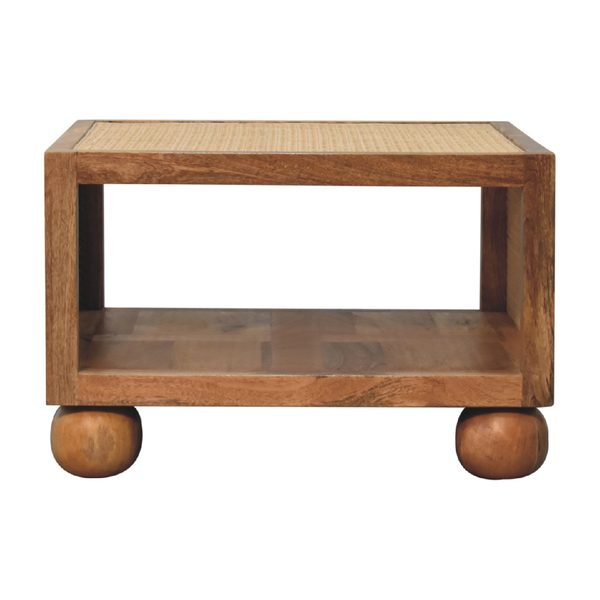


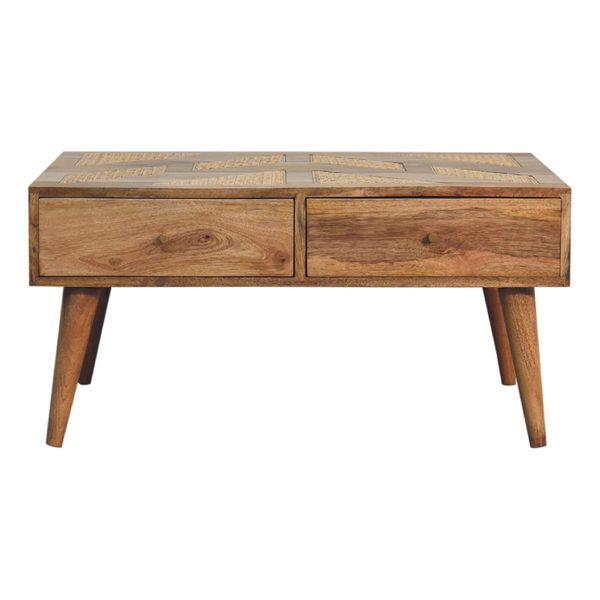
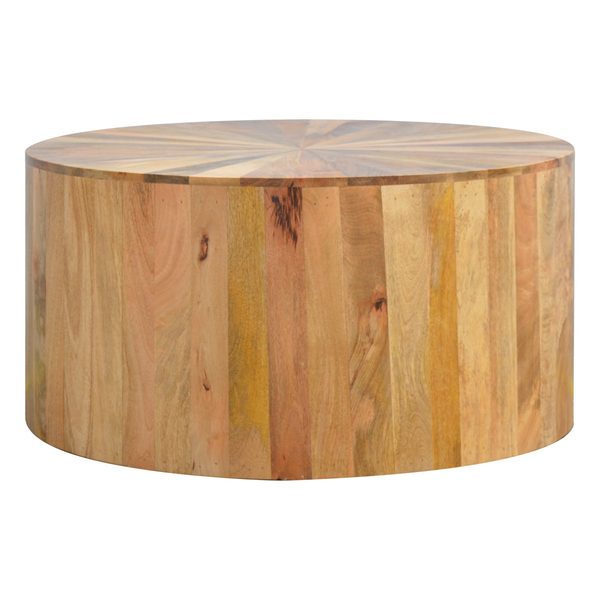
Decide where the weave should contribute texture
Look at the woven area from the sofa and from above. A base panel may add detail below a simpler top; a larger woven surface can become a stronger pattern. Compare the scale with nearby fabrics and rug texture. Several different patterns can work, but each should have a clear role instead of competing across the same view.
Check whether backing or other components sit behind an open-looking panel. The actual construction decides what you see through it, so do not assume open weave or visible contents from the material name. Natural timber coffee tables offer another surface character when visible grain would fit the room better than woven detail.
Check the actual top for steady everyday serving
Read which material forms the usable surface and inspect how it meets the woven components. A rattan element does not establish a flat hard top or suitability for every serving object. Compare your tray or cup with the documented surface and use guidance. Ask about unclear top construction when ordinary drinks are central to the plan.
Check top area after permanent accessories are placed, then compare height and reach from the sofa. If a transparent surface is preferred, glass coffee tables provide a separate route with their own specification and care. Choose the working top consciously rather than expecting the decorative weave to answer every practical question.
Keep the textured table accessible to use and maintain
Plot full assembled dimensions, including the base and any projecting frame. Check the walking route and the approach to each seat. Texture may make the table look visually open, but it does not reduce its physical outline. If storage is documented, confirm access and actual compartment sizes separately.
Follow care instructions for the rattan and other finishes rather than using one treatment across the whole piece. Think about access around the weave and base for the cleaning method allowed. Small coffee tables offer another footprint direction. Ask benssur about missing panel or surface details before choosing a woven feature for the room’s everyday centre.