
Oak Veneer Dressing Tables
Oak veneer dressing tables bring an oak face into a bedroom form that may use another material beneath the surface. Read where veneer appears and what supports it rather than assume an entirely solid-oak table. Top, fronts and base can each have their own construction.
Read moreRead less
Then compare visible grain with the bed and floor while keeping the daily personal-care task clear. Edge details, usable top and storage should support that routine. This guide helps assess veneer accurately within a useful seated setup. Browse any listed pieces with their component information in view, or review the wider dressing tables guide while choosing dimensions and the mirror arrangement before refining the wood face.
Showing all 3 resultsSorted by recommended
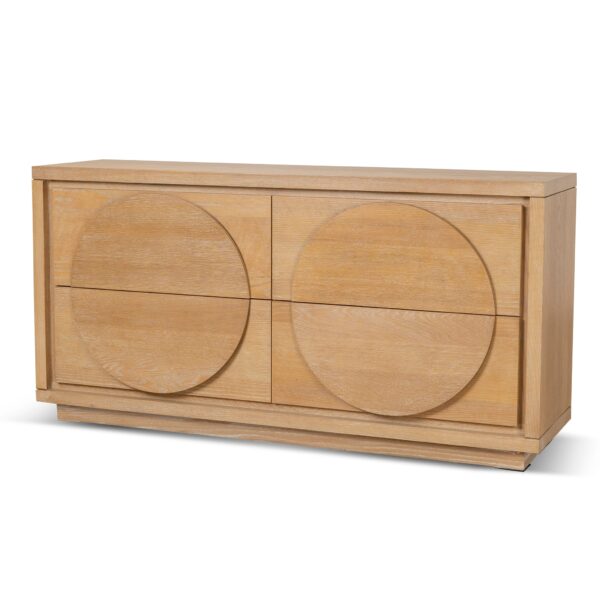

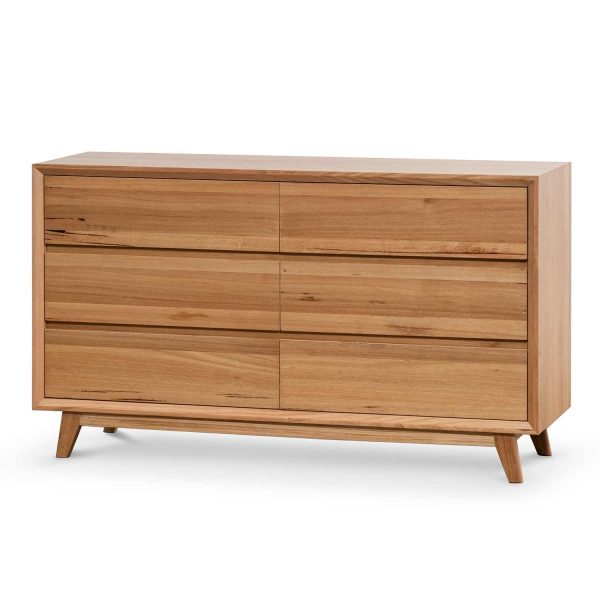
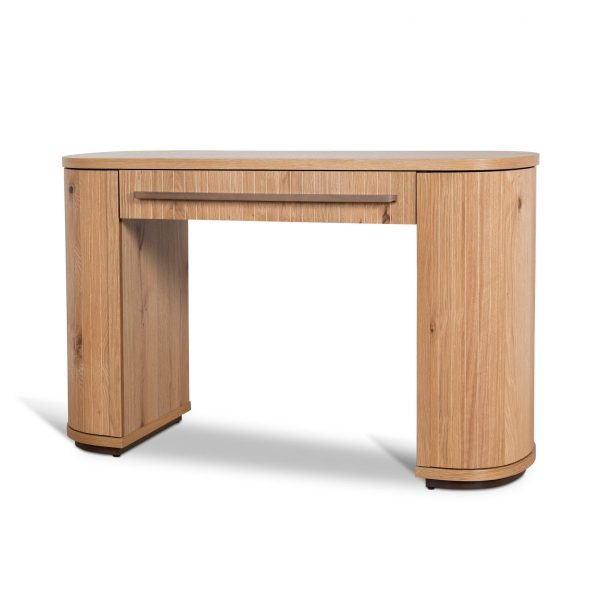
Read the face, substrate and visible grain together
Check veneer on the top and any fronts separately, with substrate and other components where provided. A thick-looking edge does not establish solid oak. Ask about material details central to the purchase instead of extending one surface name to every part.
Assess the grain across the actual visible faces and how it meets edges or drawer divisions. A broad front and smaller panels can present wood differently. The finish tone should be compared with bedding and floor under room light, not assumed from the oak name.
Keep tabletop edges and storage useful for the routine
Lay out regularly used containers and tools within the usable top, including protection required by the finish. A narrow working surface can bring objects close to its edges, so check the actual shape rather than maximum width alone.
Review seated underside clearance and storage openings together. Dressing tables with drawers provide a capacity-focused comparison, but veneer appearance does not establish drawers on the selected piece. Use the bedroom vanity guide for mirror view and reach. A pleasing oak face should cover furniture that can be approached and organised practically without awkward knee space or a top crowded by daily belongings.
Maintain the finished veneer according to its guidance
Follow care for the actual coating and intended contact with personal-care objects. Do not assume a surface layer can be sanded or treated like a thick solid board. Veneer, substrate and finish together determine the suitable method.
Keep the working top accessible for clearing and use protection where instructed. Compare mango wood dressing tables if another specified construction is part of the shortlist, comparing their actual visible grain and specified finish. Confirm included mirror or seat parts, assembly and fixing guidance too.